
Sustainable Landscaping Methods Every Homeowner Should Know in Pass Christian, MS and Surrounding Areas
Sustainable landscaping in Pass Christian, MS and surrounding areas focuses on creating environmentally friendly, low-maintenance, and resource-efficient outdoor spaces. Homeowners are increasingly adopting practices that conserve water, reduce waste, and promote biodiversity while enhancing the beauty and functionality of their yards. Surrounding communities benefit from these methods through lower utility costs, healthier ecosystems, and aesthetically pleasing landscapes that support long-term sustainability.
What is sustainable landscaping and why is it important?
Sustainable landscaping uses eco-friendly practices like native plants, water-efficient irrigation, and organic soil management to reduce environmental impact. Surrounding areas gain improved local ecology, reduced maintenance, and long-term cost savings.
How can native plants contribute to sustainability?
Native plants require less water, fertilizer, and care compared to non-native species. Surrounding communities benefit from stronger, disease-resistant plants that support local wildlife.
What role does water conservation play in sustainable landscaping?
Using drip irrigation, rainwater harvesting, and drought-tolerant plants minimizes water usage. Surrounding areas save money on water bills and reduce strain on municipal water systems.
How can homeowners reduce lawn maintenance sustainably?
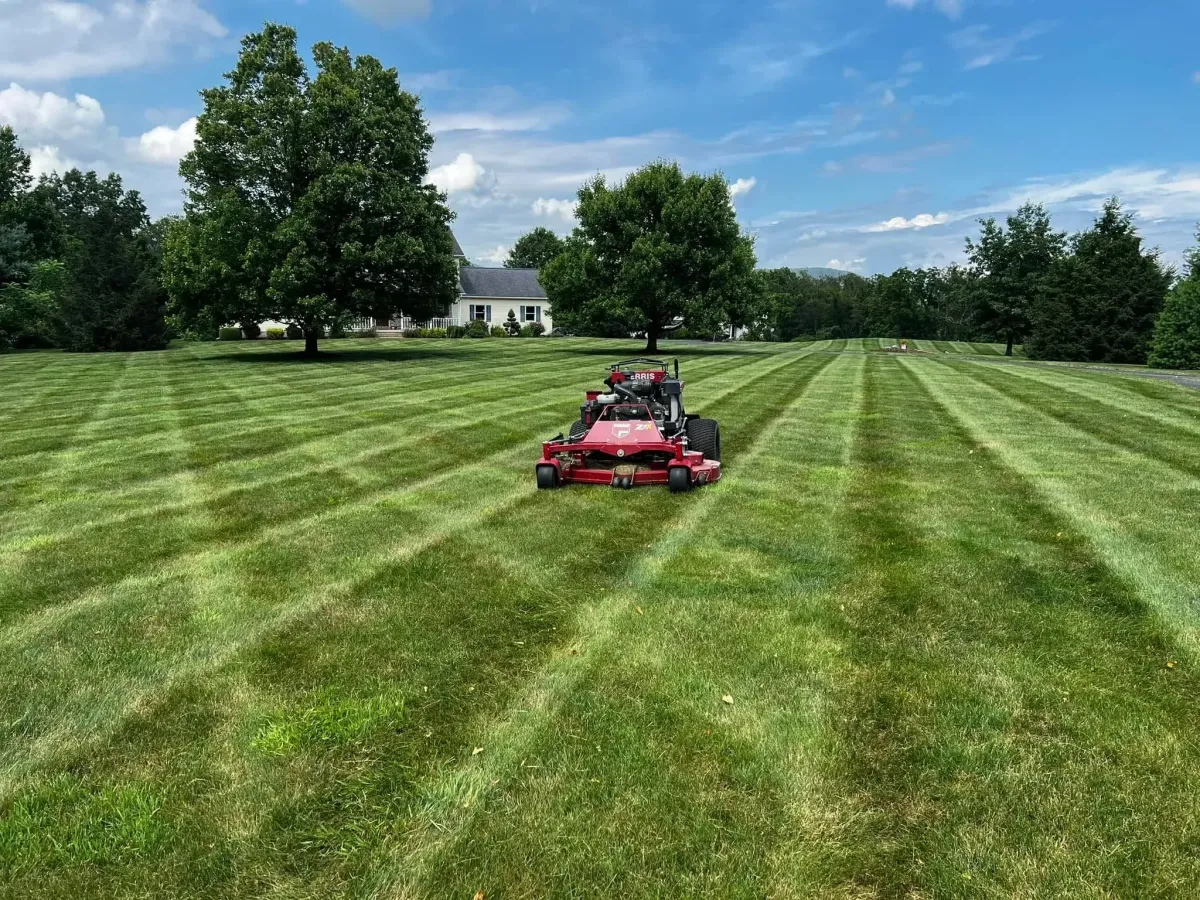
Strategies include mulching, planting ground covers, and reducing turf areas. Surrounding communities benefit from decreased mowing, lower emissions, and less chemical usage.
What is the importance of soil health in sustainable landscaping?
Healthy soil retains water, supports plant growth, and reduces the need for chemical fertilizers. Surrounding areas enjoy stronger plants and healthier landscapes through soil-friendly practices.
Can sustainable landscaping promote local wildlife?
Yes, creating pollinator gardens, bird-friendly habitats, and native plant zones attracts bees, butterflies, and birds. Surrounding communities benefit from enhanced biodiversity and ecosystem support.
How do homeowners manage waste sustainably in landscaping?
Composting yard waste and recycling organic matter reduces landfill impact. Surrounding areas benefit from nutrient-rich compost that improves soil health naturally.
Are sustainable landscaping methods cost-effective long-term?
While initial setup may require investment, sustainable landscapes lower water, maintenance, and chemical costs over time. Surrounding homeowners enjoy long-term savings and durability.
How does landscape design impact sustainability?
Proper design includes plant placement, shaded areas, and water-efficient layouts. Surrounding areas benefit from reduced water runoff, energy savings, and improved outdoor comfort.
Can sustainable landscaping be combined with modern aesthetics?
Absolutely, homeowners can blend native plants, decorative hardscaping, and eco-friendly materials to create functional, visually appealing spaces. Surrounding communities enjoy both beauty and environmental responsibility.
Final Thoughts
Sustainable landscaping in Pass Christian, MS and surrounding areas offers homeowners a way to create environmentally responsible, cost-effective, and beautiful outdoor spaces. By implementing native plants, water-saving techniques, soil health practices, and wildlife-friendly features, residents can enjoy a thriving landscape that reduces maintenance, supports local ecosystems, and contributes to long-term sustainability.
How often should sustainable landscapes be maintained?
Maintenance is typically lower than traditional landscaping, with seasonal pruning and irrigation checks being sufficient.
Are native plants suitable for all areas of a yard?
Yes, they can be used for flower beds, borders, and even as ground cover depending on sunlight and soil conditions.
Can sustainable landscaping reduce water bills significantly?
Yes, by using drought-tolerant plants and efficient irrigation systems, homeowners often see noticeable water savings.
Is composting yard waste necessary for sustainable landscaping?
While optional, composting improves soil health and reduces landfill waste, enhancing sustainability.
Can sustainable landscaping increase property value?
Yes, eco-friendly, low-maintenance, and aesthetically pleasing landscapes are attractive to buyers and add long-term value.
- Here's some stuff
- Here's some stuff