
Modoma Health Blog
Get Inspired To Improve Your Health With Posts, Articles and Updates from Modoma Health
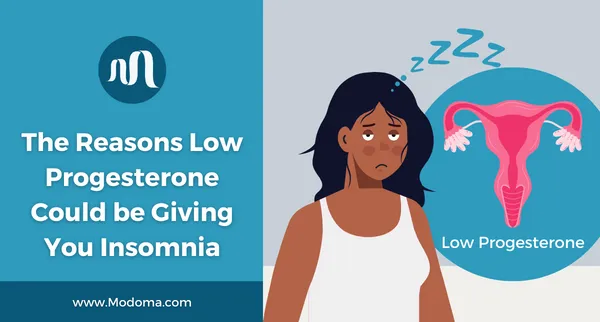
The Reasons Low Progesterone Could be Giving You Insomnia
If you’ve been having trouble sleeping lately, it’s possible that low progesterone levels are to blame. Progesterone is a hormone that plays a key role in sleep, and when its levels are low, insomnia can result. Fortunately, there are ways to increase progesterone levels and get the sleep you need. Here’s what you need to know about this hormonal imbalance.
WHAT IS PROGESTERONE AND WHAT DOES IT DO IN THE BODY?
Progesterone is a hormone that is produced by the ovaries. It plays a key role in reproductive health, but it also has other functions in the body. For example, progesterone helps to keep the lining of the uterus healthy and is necessary for a pregnancy to continue.
Progesterone levels fluctuate throughout the month, peaking just before ovulation and then dropping sharply if pregnancy does not occur. In early pregnancy, progesterone levels rise and help to maintain the pregnancy. If you are not pregnant, your progesterone levels will drop again and you will get your period.
THE EFFECTS OF LOW PROGESTERONE ON SLEEP
Low progesterone levels can cause a number of symptoms, including insomnia. This is because progesterone has a calming effect on the nervous system. When levels are low, the nervous system becomes more active and makes it difficult to fall asleep and stay asleep.
In addition to insomnia, low progesterone can cause other symptoms such as anxiety, irritability, and mood swings. If you are experiencing any of these symptoms, it’s a good idea to get your progesterone levels checked.
HOW TO INCREASE PROGESTERONE LEVELS NATURALLY
There are a few things you can do to increase progesterone levels naturally. First, make sure you are getting enough vitamin B6. This vitamin is necessary for the production of progesterone. You can get vitamin B6 from foods such as bananas, potatoes, chicken, and fish.
Second, try taking a supplement called chasteberry. Chasteberry is a herb that has been shown to increase progesterone levels. It is available in capsules or tea form.
Third, make sure you are getting enough exercise. Exercise can help to increase progesterone levels by stimulating the release of other hormones that lead to its production.
Finally, try reducing stress. Stress can lead to a decrease in progesterone levels. So, finding ways to reduce stress in your life can help increase your progesterone levels and improve your sleep.
If you think low progesterone levels may be causing your insomnia, talk to your doctor here at Modoma. They can order a blood test to check your hormone levels. If your progesterone levels are low, we can work with you on ways to help increase them. With treatment, you should be able to get the sleep you need.
SLEEPING TIPS FOR PEOPLE WITH LOW PROGESTERONE LEVELS
There are a few things you can do to help improve your sleep if you have low progesterone levels.
First, try to avoid caffeine and other stimulants before bed. Stimulants can make it harder to fall asleep and stay asleep.
Second, create a bedtime routine and stick to it as much as possible. Having a set routine can help to signal to your body that it’s time to wind down and go to sleep.
Third, make sure your bedroom is dark and quiet. Creating an environment that is conducive to sleep can help you fall asleep more easily.
Fourth, try not to watch television or use electronic devices in bed. The light from these devices can interfere with sleep.
FOODS THAT HELP IMPROVE SLEEP QUALITY
There are a few foods that can help improve sleep quality.
First, try eating foods that contain magnesium. Magnesium is a mineral that has been shown to help improve sleep quality. Foods that are high in magnesium include dark leafy greens, nuts, and seeds.
Second, eat foods that contain tryptophan. Tryptophan is an amino acid that helps the body produce serotonin, a hormone that promotes sleep. Foods that are high in tryptophan include turkey, eggs, and cheese.
Third, eat foods that contain calcium. Calcium helps the body to produce melatonin, a hormone that regulates sleep. Foods that are high in calcium include dairy products, leafy green vegetables, and almonds.
Fourth, eat foods that contain omega-3 fatty acids. Omega-3 fatty acids have been shown to help improve sleep quality. Foods that are high in omega-3 fatty acids include salmon, flaxseed, and chia seeds.
HERBAL REMEDIES FOR INSOMNIA
There are a few herbal remedies that can help improve sleep quality.
First, try taking chamomile tea before bed. Chamomile tea has been shown to help improve sleep quality.
Second, try taking valerian root before bed. Valerian root is an herb that has been shown to help improve sleep quality.
Third, try taking passionflower before bed. Passionflower is an herb that has been shown to help improve sleep quality.
Fourth, try taking lemon balm before bed. Lemon balm is an herb that has been shown to help improve sleep quality.
If you are interested in trying any of these herbal remedies, talk to your doctor here at Modoma first. They can help you to choose the right remedy for you and make sure that it is safe for you to take.
Hormone balance is key to a good night’s sleep. If you find that you are struggling with insomnia, it may be due to low progesterone levels. At Modoma health, we can help you find hormone balance and overcome insomnia. We offer both phone and in-person consultations to discuss your unique situation. If we determine you would be a good fit we will work together to develop a treatment plan that is right for you.
Contact us today to learn more about how we can help you get the rest you need to feel your best.




Corporate:
4944 Preston Rd #100a, Frisco, TX 75034.
Copyrights 2023 | Modoma™