
Modoma Health Blog
Get Inspired To Improve Your Health With Posts, Articles and Updates from Modoma Health
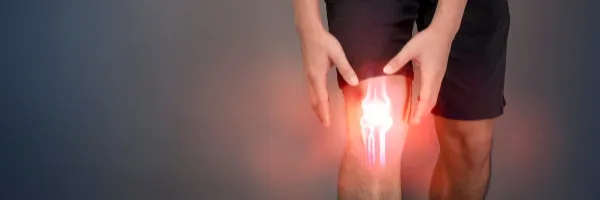
8 Common Reasons Your Knee Hurts When Bending
8 Common Reasons Your Knee Hurts When Bending

Your knee hurts when you bend it because of the way the bones and muscles work together. When you bend your knee, the femur (thigh bone) moves down towards the tibia (shinbone). This movement causes a compression force on the cartilage that lines the joint. The more you bend your knee, the more compression force is applied to the cartilage. Cartilage is a tough but flexible tissue that helps cushion and lubricate joints. If you apply too much compression force to it, it can wear down and cause pain.
There are other structures in the knee joint that can also be affected by bending. For example, the tendons and ligaments that connect the bones together can stretch or tear. The meniscus is a C-shaped piece of cartilage that sits between the femur and tibia. It acts as a shock absorber and helps keep the joint stable. Bending the knee can cause the meniscus to tear.
All of these structures work together to allow you to bend your knee. When one or more of them is damaged, it can cause knee pain. Treatment for painful knee will depend on the underlying cause. For example, if you have a meniscus tear, you may need surgery to repair it. If the pain is caused by arthritis, you may find great relief in Modoma's hyaluronic acid knee injections.
The most common causes of knee pain when bending the knee are overuse, such as from running or jumping, and patellar tendinitis (PT), also known as “jumper’s knee.” PT can be caused by tightness in the quadriceps muscle or defects in the patella (kneecap). Other causes of knee pain when bending the knee can include a knee fracture, a knee sprain, or a knee replacement.
Tendons In Your Knee
Tendons are strong, fibrous tissues that connect muscle to bone. There are four main tendons in the knee joint:
Patellar tendon: This tendon connects the kneecap (patella) to the shinbone (tibia). It helps straighten (extend) your leg.
Quadriceps tendon: This tendon connects the quadriceps muscle (thigh muscle) to the patella. It also helps straighten your leg.
Hamstring tendons: These three tendons connect the hamstring muscles (back of thigh) to the bones in the back of your knee and lower leg. They help bend your leg at the knee.
Iliotibial band: This long, fibrous tissue runs from the hip to the knee. It helps stabilize the knee joint.
When any of these tendons becomes inflamed or damaged, it can cause knee pain. For example, patellar tendonitis is a common condition that causes pain in the front of the knee. It happens when the patellar tendon becomes irritated and inflamed. Hamstring tendonitis is another common condition that causes pain in the back of the knee. It occurs when the hamstring tendons become irritated and inflamed.
Treatment for painful tendons will depend on the underlying cause. For example, if you have patellar tendonitis, your doctor may recommend icing your knee, taking anti-inflammatory medication, and doing physical therapy exercises. If the pain is caused by a tendon tear, you may need surgery to repair it.
Ligaments In Your Knee
Ligaments are strong, fibrous tissues that connect bone to bone. There are four main ligaments in the knee joint:
Anterior cruciate ligament (ACL): This ligament runs from the front of the shinbone to the back of the femur. It helps keep the knee stable and prevents the shinbone from moving too far forward.
Posterior cruciate ligament (PCL): This ligament runs from the back of the shinbone to the front of the femur. It helps keep the knee stable and prevents the shinbone from moving too far backward.
Medial collateral ligament (MCL): This ligament runs along the inner side of the knee joint. It helps keep the knee stable and prevents the femur from moving too far inward.
Lateral collateral ligament (LCL): This ligament runs along the outer side of the knee joint. It helps keep the knee stable and prevents the femur from moving too far outward.
When any of these ligaments becomes inflamed or damaged, it can cause knee pain. For example, ACL tears are a common injury that can cause severe pain and instability in the knee joint. MCL tears are also common, but they usually don't cause as much pain as ACL tears. Treatment for painful ligaments will depend on the underlying cause. For example, if you have an ACL tear, you may need surgery to repair it. If the pain is caused by an MCL sprain, you may only need to rest and ice your knee.
Common Knee Injuries
Arthritis In Your Knee
Arthritis is a common cause of knee pain. There are many different types of arthritis, but the two most common types that affect the knee are osteoarthritis and rheumatoid arthritis.
Osteoarthritis is a degenerative disease that causes the cartilage in the joint to break down. This can lead to bone rubbing on bone, which can be very painful. Osteoarthritis usually develops over time and is more common in older adults.
Rheumatoid arthritis is an autoimmune disease that causes inflammation in the joint. This can damage the cartilage and bone. Rheumatoid arthritis can occur at any age, but it is more common in middle-aged adults.
There is no cure for either type of arthritis, but there are treatments that can help manage the pain and other symptoms. For example, Modoma's hyaluronic acid knee injections are a popular treatment option for osteoarthritis. This injectable medication helps lubricate and cushion the joint, which can reduce pain and improve mobility. Physical therapy exercises may also be recommended to help strengthen the muscles around the joint and improve range of motion. In some cases, surgery may be necessary to repair or replace the damaged joint.
Knee Bursitis
Bursae are small, fluid-filled sacs that act as cushions between bones, tendons, and muscles. There are several bursae in the knee joint. When one of these bursae becomes inflamed, it is known as bursitis. Bursitis can be caused by overuse, injury, or infection. It is often very painful and can make it difficult to move your knee.
Treatment for bursitis will depend on the underlying cause. For example, if the pain is caused by an infection, you will likely need antibiotics to clear the infection. If the pain is caused by overuse or injury, you may need to rest and ice the joint. You may also be recommended to take anti-inflammatory medication and do physical therapy exercises. In some cases, surgery may be necessary to remove the damaged bursa.
Patellofemoral pain syndrome (PFPS)
Patellofemoral pain syndrome (PFPS) is a condition that causes pain around the front of the knee. It is often caused by overuse, such as from running or jumping. PFPS can also be caused by tight muscles, flat feet, and alignment issues. This condition is also sometimes called “runner’s knee” or “jumper’s knee.”
Treatment for PFPS will depend on the underlying cause. For example, if the pain is caused by tight muscles, you may need to stretch or do physical therapy exercises to loosen them up. If the pain is caused by alignment issues, you may need to wear orthotics or do exercises to correct your alignment. In some cases, surgery may be necessary to correct the alignment issue.
Iliotibial band syndrome (ITBS)
Iliotibial band syndrome (ITBS) is a condition that causes pain on the outside of the knee. It is often caused by overuse, such as from running or biking. ITBS can also be caused by tightness in the iliotibial band, which is a ligament that runs down the outside of the thigh. This condition is also sometimes called “runner’s knee” or “biker’s knee.”
Treatment for ITBS will depend on the underlying cause. For example, if the pain is caused by tightness in the iliotibial band, you may need to stretch or do physical therapy exercises to loosen it up. If the pain is caused by overuse, you may need to rest and ice the joint. You may also be recommended to take anti-inflammatory medication and do strength-training exercises. In some cases, surgery may be necessary to release the iliotibial band.
Patellar tendinitis (PT)
Patellar tendinitis (PT) is a condition that causes pain around the kneecap. It is often caused by overuse, such as from running or jumping. PT can also be caused by tightness in the quadriceps muscle or defects in the patella (kneecap). This condition is also sometimes called “jumper’s knee.”
Treatment for PT will depend on the underlying cause. For example, if the pain is caused by tightness in the quadriceps muscle, you may need to stretch or do physical therapy exercises to loosen it up. If the pain is caused by overuse, you may need to rest and ice the joint. You may also be recommended to take anti-inflammatory medication and do strength-training exercises. In some cases, surgery may be necessary to repair the patella.
Knee Dislocation
A knee dislocation occurs when the bones of the joint are forced out of alignment. This can happen due to a fall, car accident, or other high-impact trauma. A knee dislocation is a very serious injury that can cause severe pain, swelling, and bruising. It is important to seek medical attention immediately if you think you have dislocated your knee.
Treatment for a knee dislocation will depend on the severity of the injury. For example, if the bones have just been slightly displaced, your doctor may be able to realign them without surgery. However, if the bones are severely displaced or the ligaments are torn, surgery may be necessary to repair the damage.
Knee Fracture
A knee fracture is a break in one or more of the bones that make up the knee joint. This can happen due to a fall, car accident, or other high-impact trauma. A knee fracture is a very serious injury that can cause severe pain, swelling, and bruising. It is important to seek medical attention immediately if you think you have fractured your knee.
Treatment for a knee fracture will depend on the severity of the injury. For example, if the bone has just been slightly displaced, your doctor may be able to realign it without surgery. However, if the bone is severely displaced or the ligaments are torn, surgery may be necessary to repair the damage.
Knee Sprain
A knee sprain occurs when the ligaments that support the joint are stretched or torn. This can happen due to a fall, car accident, or other high-impact trauma. A knee sprain is a very serious injury that can cause severe pain, swelling, and bruising. It is important to seek medical attention immediately if you think you have sprained your knee.
Treatment for a knee sprain will depend on the severity of the injury. For example, if the ligaments have just been slightly stretched, your doctor may recommend rest, ice, and physical therapy exercises. However, if the ligaments are severely stretched or torn, surgery may be necessary to repair the damage.
Knee Replacement
Knee replacement surgery is a treatment option for people with severe knee pain that has not responded to other treatments. During this procedure, the damaged parts of the knee joint are removed and replaced with artificial components. Knee replacement surgery can be very successful in reducing pain and improving function. However, it is a major surgery with a long recovery time. We've helped many patients avoid knee replacement surgery all together with our Modoma Knee Pain Relief Program.
There are many different types of knee pain, and the best treatment will depend on the underlying cause. If you are experiencing knee pain, it is important to see a doctor to get an accurate diagnosis and treatment plan. Modoma Health can help you find relief from knee pain without surgery. Our team of experts will create a personalized treatment plan that is tailored to your specific needs. Contact us today to learn more by calling (469) 599-2992 or visiting modoma.com/kneepainrelief/.
Sources:
https://www.modomahealth.com/treatments/knee-injections/hyaluronic-acid/
https://www.webmd.com/osteoarthritis/guide/knee-pain-causes-and-treatments#1
https://www.healthline.com/health/osteoarthritis/knee-replacement-surgery
https://orthoinfo.aaos.org/en/treatment/total-knee-replacement


Corporate:
4944 Preston Rd #100a, Frisco, TX 75034.
Copyrights 2023 | Modoma™