
Modoma Health Blog
Get Inspired To Improve Your Health With Posts, Articles and Updates from Modoma Health
Massage Modalities at Modoma Health
Massage Modalities at Modoma Health
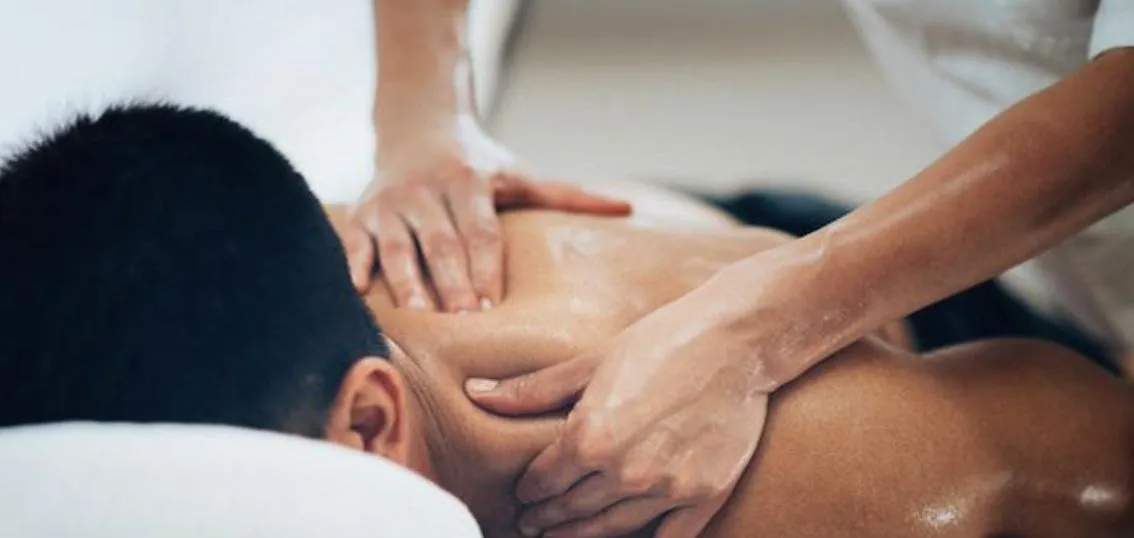
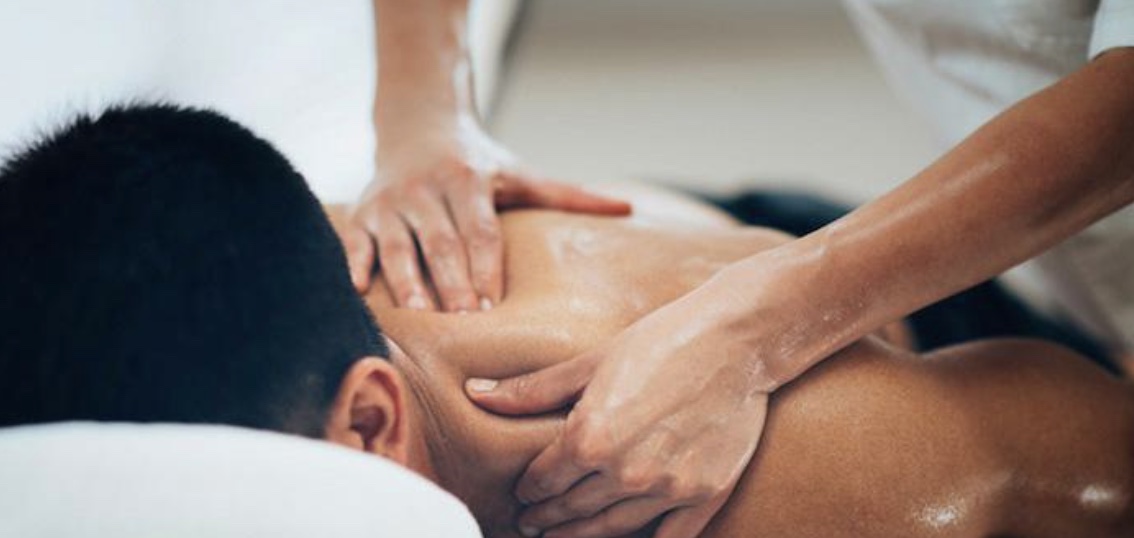
Medically integrated massage is a form of massage that is specifically tailored to meet your individual needs. It can be used to help improve circulation, reduce pain and inflammation, and promote relaxation. Medically integrated massage is often used in conjunction with other medical treatments, such as physical therapy, to provide a complete approach to healing.
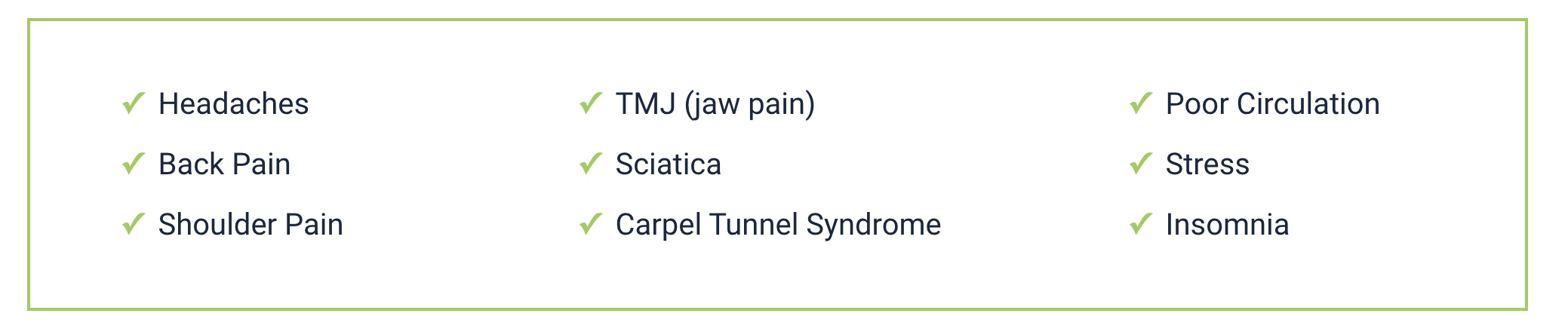
If you are experiencing any of the symptoms listed below or any other pain or tension related symptoms, a medically integrated massage would be highly beneficial in achieving optimal health.
1. Deep-Tissue Massage
Techniques that utilize deep-tissue/deep-muscle massage are administered to affect the sub-layer of musculature and fascia. These techniques require advanced training and a thorough understanding of anatomy and physiology. The muscles must be relaxed in order to effectively perform deep-tissue massage; otherwise, tight surface muscles prevent the practitioner from reaching deeper musculature. It helps with chronic muscular pain and injury rehabilitation, and reduces inflammation-related pain caused by arthritis and tendinitis.
2. Acupressure
an ancient healing art that uses the fingers to press key points on the surface of the skin to stimulate the body’s natural self-curative abilities. When these points are pressed, they release muscular tension and promote the circulation of blood and the body’s life force (sometimes known as qi or chi) to aid healing. Acupuncture and acupressure use the same points, but acupuncture employs needles, while acupressure uses the gentle but firm pressure of hands and feet.
3. Craniosacral therapy (CST)
a gentle, noninvasive method of evaluating and enhancing the function of a physiological body arrangement called the craniosacral system. Developed by John E. Upledger, DO, OMM, this manual therapy enhances the body’s natural healing processes and has proven effective in treating a wide range of medical problems associated with pain and dysfunction. The roots of this therapy are in cranial osteopathy, developed by Dr. William G. Sutherland.
The craniosacral therapy practitioner uses a light touch to assist the natural movement of fluid within the craniosacral system. Therapists generally use only five grams of pressure, roughly the weight of a nickel, to test for restrictions in various parts of the craniosacral system. It’s often possible for the evaluation alone to remove the restriction and allow the system to correct itself.
4. Manual Lymph Drainage
The strokes applied in manual lymph drainage are intended to stimulate the movement of the lymphatic fluids in order to assist the body in cleansing. This is a gentle, rhythmical technique that cleanses the connective tissue of inflammatory materials and toxins, enhances the activity of the im
5. Medical Massage
Performing medical massage requires a firm background in pathology and utilizes specific treatments appropriate to working with disease, pain, and recovery from injury. The therapist may work from a physician’s prescription or as an adjunct healer within a hospital or physical therapy setting.
6. Myofascial Release
A three-dimensional application of sustained pressure and movement into the fascial system in order to eliminate fascial restrictions and facilitate the emergence of emotional patterns and belief systems that are no longer relevant or are impeding progress. It is an effective therapeutic approach in the relief of cervical pain, back pain, fibromyalgia, scoliosis, neurological dysfunction, restriction of motion, chronic pain, and headaches.
First, an assessment is made by visually analyzing the human frame, followed by the palpation of the tissue texture of various fascial layers. Upon locating an area of fascial tension, gentle pressure is applied in the direction of the restriction.
7. Trigger Point Therapy
Based on the discoveries of Drs. Janet Travell and David Simons in which they found the causal relationship between chronic pain and its source, myofascial trigger point therapy is used to relieve muscular pain and dysfunction through applied pressure to trigger points of referred pain and through stretching exercises. These points are defined as localized areas in which the muscle and connective tissue are highly sensitive to pain when compressed. Pressure on these points can send referred pain to other specific parts of the body.
8. Myoskeletal Alignment Technique
A holistic approach to relief of back and neck pain based on concepts and principles from Rolfing, osteopathy, and related physical medicine. Focused on detecting and correcting strain patterns to prevent back/neck pain, this technique combines deep-tissue work with assisted stretching and non-force spinal alignment.
9. Neuromuscular Therapy
This comprehensive program of soft-tissue manipulation balances the body’s central nervous system with the musculoskeletal system. Based on neurological laws that explain how the central nervous system initiates and maintains pain, the goal is to help relieve the pain and dysfunction by understanding and alleviating the underlying cause.
Neuromuscular therapy can help individuals who experience distortion and biomechanical dysfunction, which is often a symptom of a deeper problem. It is also used to locate and release spasms and hypercontraction in the tissue, eliminate trigger points that cause referred pain, rebuild the strength of injured tissues, assist venous and lymphatic flow, and restore postural alignment, proper biomechanics, and flexibility to the tissues.
10. Oncology Massage
Oncology massage refers to massage tailored to the needs of individuals with cancer. This specialized practice requires therapists to be fully educated in and pay close attention to the physical, emotional, and psychological needs of clients in all stages of cancer: diagnosis, treatment, recovery, survivor, or terminal. Training in oncology massage covers appropriate bodywork modalities for cancer clients, includes precautions for radiation, chemotherapy, and surgery, and covers physiology and pathology.
11. Prenatal/Pregnancy Massage
Prenatally, specific techniques can reduce pregnancy discomforts and concerns and enhance the physiological and emotional well-being of both mother and fetus. Skilled, appropriate touch facilitates labor, shortening labor times and easing pain and anxiety.
12. Reflexology
Sometimes referred to as zone therapy, this bodywork involves application of pressure to specific reflex areas in the feet, hands, and ears that correspond to other parts of the body, with the goal of stimulating body organs and relieving areas of congestion.
Similar to acupressure principles, reflexology works with the body’s energy flow to stimulate self-healing and maintain balance in physical function. This technique is used to reduce pain, increase relaxation, and stimulate circulation of blood and lymphatic fluids. It is especially useful in stress-related illness and emotional disorders.
13. Sports Massage
Sports massage is designed to enhance athletic performance and recovery. There are three contexts in which sports massage can be useful to an athlete: pre-event, post-event, and injury treatment.
Pre-event massage is delivered at the performance site, usually with the athlete fully clothed. Fast-paced and stimulating, it helps to establish blood flow and to warm up muscles. During the massage, the athlete generally focuses on visualizing the upcoming event.
Post-event massage is also delivered on site, through the clothes. The intent here is to calm the nervous system and begin the process of flushing toxins and waste products out of the body. Post-event massage can reduce recovery time, enabling an athlete to resume training much sooner than rest alone would allow.
When an athlete sustains an injury, skillful massage therapy can often speed and improve the quality of healing.
Medically Integrated Massage Patient Testimonials:
We accept most commercial insurances:
Blue Cross Blue Shield
United Health
Aetna
Cigna
And more....
Want to check to see if we are in network with your insurance? Schedule a quick call and connect with our Patient Success Manager. She can answer any questions you may have and see if we are a good fit!


Corporate:
4944 Preston Rd #100a, Frisco, TX 75034.
Copyrights 2023 | Modoma™