
An online 4 week course for Psychologists who want to transform their therapeutic practice to engage in more effective, effortless and enjoyable work.
The career of your dreams can be yours as this offering will support you to feel more skilled by gaining the knowledge to help transform the lives of your clients with more confidence, clarity and depth.


What is Psychodynamic Psychotherapy (PP)?
PP is a form of therapy that helps you make sense of what’s troubling you at a deeper level.
It involves regular conversations with a therapist who is trained to listen carefully — not just to what you say, but to patterns, feelings, and meanings that may sit beneath the surface.
Often, these patterns are outside of conscious awareness. Over time, therapy helps bring them into focus so they can be understood, softened, and changed.
PP also pays attention to how you relate — including how you relate to your therapist. These moments often reflect patterns that show up in other important relationships, past and present.
Change happens through a safe and trusting relationship, where thoughts and feelings can be explored without pressure or judgement. Rather than managing symptoms alone, psychotherapy works with the root of emotional difficulties.
This kind of work takes time — and it creates change that lasts.
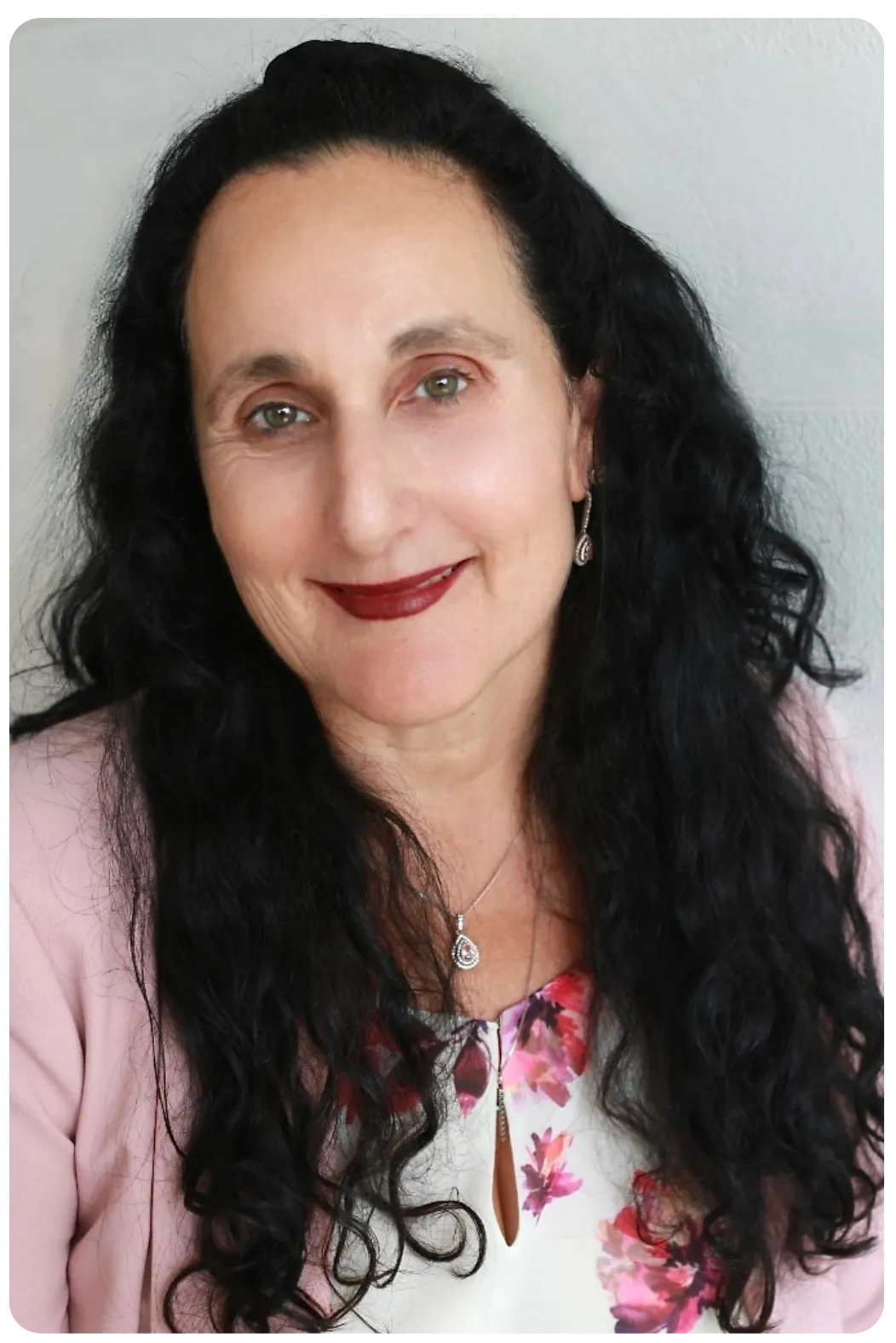
“I became a psychotherapist because that’s where people reveal the parts of themselves that feel the most uncomfortable and vulnerable. This is where healing begins.”
- Tania Kalkidis
Is this approach right for you?
Is this approach right for you?
you want more than coping strategies
you’re open to reflection and emotional exploration
you’re looking for meaningful change, not just relief
If you’re unsure, we’re happy to talk with you about whether this kind of therapy is a good fit.

How this differs from short-term therapy
Psychotherapy usually takes place over a longer period than short-term therapies. This is because it aims to support change at a deeper emotional level — not just behaviour or thinking patterns.
Sessions are typically held once per week, and sometimes more or less often, depending on individual needs and resources.
This slower, steady process allows trust to develop and meaningful change to occur over time.
We can offer quick fixes and surface-level strategies. But for those who are ready, the work can move to the deeper layers of the mind where real and lasting change occurs. We work slowly, thoughtfully, and respectfully with the clients’ needs and capacity as the primary focus.
When helpful, therapy may also include approaches such as reflective dialogue, imagery, dream exploration, and creative or symbolic work — always guided by your needs and readiness. We also work, with the connection between emotional pain, the body, and the nervous system – a truly holistic approach.
This commitment to depth, reflection, and ethical practice informs everything we do at Freedom in Spirit Psychology.
Why this work matters to me
I grew up in a middle-class family of post-war immigrants. Materially, I was well provided for — yet emotionally, something essential was missing.
Like many people with this early experience, I developed strong external competence while quietly carrying fragile self-esteem and an inner sense of disconnection. From the outside, I was functioning and achieving. Inside, I felt uncertain and unseen.
This pattern shaped my early life choices. I followed an expected path into university, initially aiming for medicine. When that didn’t unfold, I moved into psychology — not yet knowing why, only sensing it must have mattered.
For many years, I studied successfully but without deep engagement. Then, in my seventh year of university, I encountered psychodynamic psychotherapy — and everything changed. For the first time, psychology spoke to the inner life I had been living but couldn’t yet name.
I had found my passion and I want to share these profound life lessons with you.
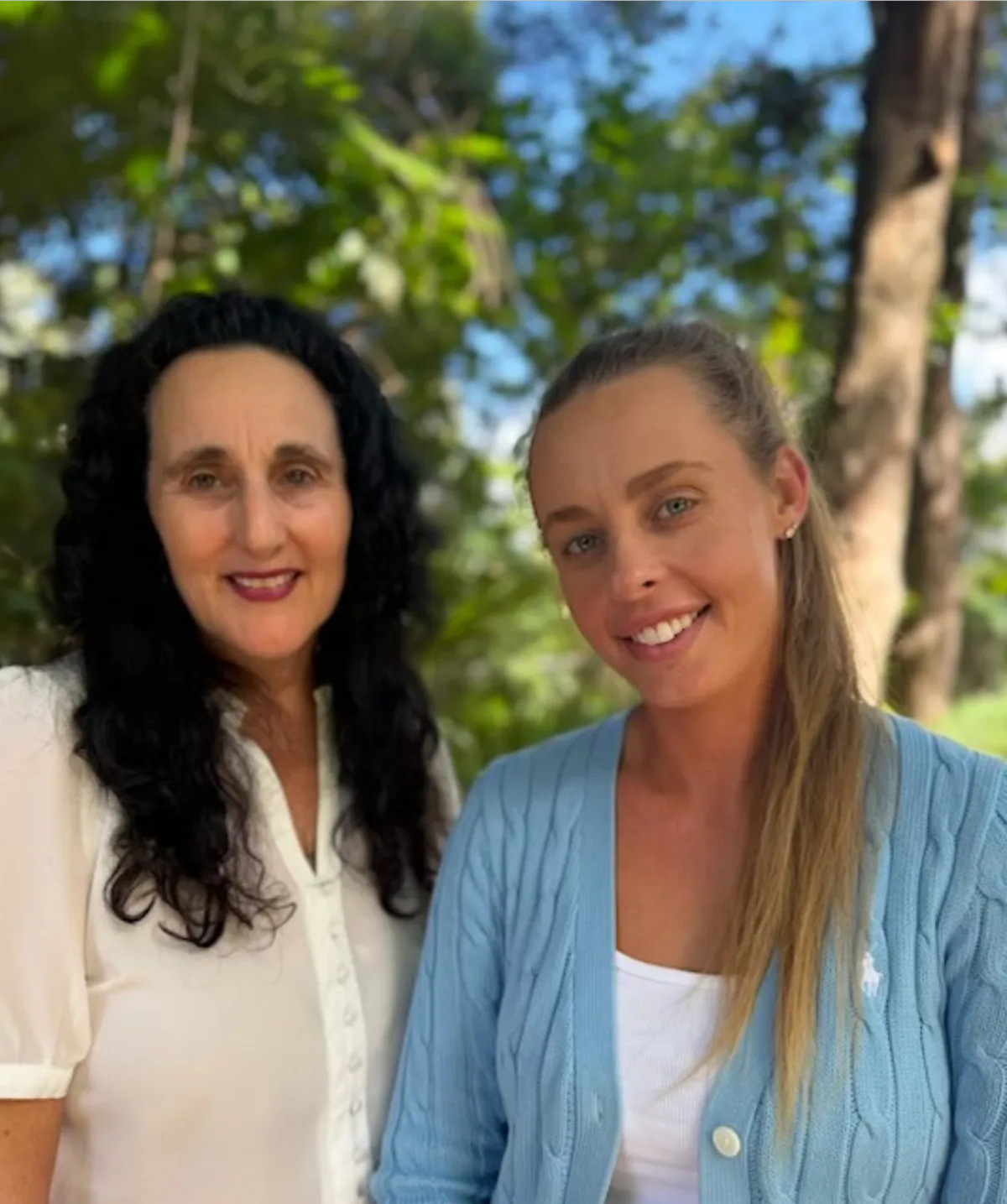
I work alongside Cody Morris, who I met and supervised whilst she was studying in her Psychology Master’s program in 2017. At that time, her university studies left her feeling that something was missing, and she has dedicated herself to working as a psychotherapist ever since. She joined FISP in 2018 and over the past 9 years we have forged a respectful and deeply rewarding working relationship. We work as a team to offer you the highest quality care and personalised support.