Universities Advancing Precision Medicine
The American Board of Precision Medicine recognizes leading universities, medical schools, and research centers that are contributing to the advancement of precision medicine through genomics, biomedical informatics, translational research, precision health initiatives, and interdisciplinary scientific collaboration.
Academic institutions play a central role in shaping the scientific foundations of precision medicine. Through large-scale research programs, genome sequencing initiatives, computational biology, and clinical innovation, these organizations are helping transform how diseases are understood, diagnosed, and treated.
The institutions listed below represent a diverse ecosystem of academic programs focused on genomics, personalized therapeutics, biomedical data science, and the translation of scientific discoveries into clinical practice.
By highlighting these institutions, ABOPM aims to support continued education, scientific exploration, and collaboration across the global precision medicine community.

Universities Driving Innovation in Precision Medicine
Leading universities and medical research centers are advancing precision medicine through genomic research, biomedical data science, clinical innovation, and interdisciplinary collaboration that bridges laboratory discovery with patient-centered care.
Genome Science and Discovery
University-led genome sequencing programs and molecular research initiatives are expanding scientific understanding of disease mechanisms and enabling more precise diagnostics and therapies.
Data Science in Modern Medicine
Academic programs in biomedical informatics and computational biology are helping transform vast biological datasets into actionable clinical insights.
From Laboratory Discovery to Patient Care
Interdisciplinary research centers are translating scientific discoveries into clinical innovation, accelerating the development of precision diagnostics and personalized treatments.
Featured Academic Institutions
The American Board of Precision Medicine recognizes universities, medical schools, and academic research centers that are contributing to the advancement of genomics, biomedical informatics, translational medicine, and precision health.
These institutions represent a diverse academic ecosystem supporting discovery, education, interdisciplinary collaboration, and the application of scientific research to individualized healthcare.
Academic Leaders in Genomics, Informatics, and Precision Healthcare
These institutions support important work in genomic discovery, translational science, biomedical data analysis, personalized therapeutics, and precision health education.
Baylor College of Medicine
Human Genome Sequencing Center
The Human Genome Sequencing Center at Baylor College of Medicine is one of the world's leading genomics research centers. The center conducts large-scale DNA sequencing and genomic analysis to support biomedical discovery, disease research, and advances in personalized healthcare.
- Large-scale genome sequencing
- Genomic discovery and analysis
- Bioinformatics and computational genomics
- Translational genomics research
Columbia University
Precision Medicine Initiative
Columbia University’s Precision Medicine initiative supports research, education, and collaboration across multiple scientific and clinical disciplines. The program explores how genomic data, molecular diagnostics, and emerging technologies can be applied to improve individualized patient care.
- Clinical applications of precision medicine
- Genomics and molecular diagnostics
- Collaborative biomedical research
- Precision health education and training
Duke University School of Medicine
Center for Genomic and Computational Biology
The Duke Center for Genomic and Computational Biology promotes interdisciplinary research that integrates genomics, computational science, statistics, and biomedical research. The center supports collaborations between scientists, physicians, engineers, and data scientists.
- Genomic and computational biology
- Quantitative biomedical research
- Systems biology and data science
- Translational genomic discovery
Harvard Medical School
Department of Biomedical Informatics
Harvard Medical School’s Department of Biomedical Informatics focuses on the development of computational tools, data science methods, and informatics platforms that support biomedical discovery and precision healthcare innovation.
- Biomedical informatics
- Clinical data science
- Artificial intelligence in healthcare
- Computational biomedical research
Johns Hopkins Medicine
inHealth Precision Medicine
Johns Hopkins inHealth is a precision medicine initiative focused on using advanced data science, analytics, and clinical research to develop more personalized approaches to diagnosis, treatment, and disease prevention.
- Precision health analytics
- Clinical data integration
- Personalized treatment strategies
- Translational medical research
Massachusetts College of Pharmacy and Health Sciences
Precision Medicine Graduate Certificate
MCPHS University offers a graduate certificate program focused on the scientific, clinical, and technological foundations of precision medicine. The program provides training for healthcare professionals seeking to understand genomics and personalized therapeutics.
- Precision medicine fundamentals
- Genomic medicine
- Pharmacogenomics
- Clinical implementation of personalized therapies
Mayo Clinic
Center for Individualized Medicine
The Mayo Clinic Center for Individualized Medicine is dedicated to integrating genomics and personalized medicine into clinical care. The center supports research, clinical trials, and patient-focused initiatives that bring genomic medicine into everyday healthcare practice.
- Genomic medicine
- Pharmacogenomics
- Individualized therapeutics
- Translational clinical research
Stanford Medicine
Precision Health
Stanford Medicine’s Precision Health initiative focuses on using data science, genomics, and advanced diagnostics to predict disease risk, improve early detection, and develop more personalized treatment strategies.
- Precision health and preventive medicine
- Biomedical data science
- Genomics and personalized diagnostics
- Population health analytics
UCLA Health
Precision Health
UCLA Precision Health supports interdisciplinary research that integrates genomics, data science, and clinical medicine to advance individualized healthcare strategies.
- Precision diagnostics
- Translational research
- Personalized treatment approaches
- Data-driven clinical innovation
University of California, San Francisco
Precision Medicine Initiative
UCSF supports precision medicine research through interdisciplinary programs focused on genomics, molecular medicine, and translational clinical research.
- Genomics and molecular medicine
- Clinical research and innovation
- Precision therapeutics
- Translational healthcare research
University of Florida
Precision Medicine Program
The University of Florida supports research and education in precision and individualized medicine through interdisciplinary programs involving genomics, pharmacogenomics, and clinical research.
- Precision therapeutics
- Pharmacogenomics
- Clinical genomics research
- Precision healthcare implementation
University of Maryland School of Medicine
Precision Health Research Study
The University of Maryland Precision Health Study is a large-scale research initiative designed to create one of the most diverse biomedical research databases in the United States.
- Population health research
- Precision medicine databases
- Genomic and clinical data integration
- Health equity in biomedical research
University of Michigan
Precision Health and Digital Health Innovation
The University of Michigan supports research in precision health through initiatives that combine genomics, artificial intelligence, biomedical engineering, and digital health technologies.
- AI in healthcare
- Precision health research
- Digital health technologies
- Biomedical innovation
University of Pennsylvania
Penn Center for Precision Medicine
The Penn Center for Precision Medicine focuses on translating genomic discoveries into clinical practice and developing innovative approaches to personalized healthcare.
- Precision therapeutics
- Translational genomics
- Clinical precision medicine programs
- Biomedical research collaboration
University of Pittsburgh
Institute for Precision Medicine
The Institute for Precision Medicine at the University of Pittsburgh supports interdisciplinary research integrating genomics, computational biology, and clinical data to develop personalized approaches to disease prevention and treatment.
- Genomics and molecular diagnostics
- Precision therapeutics
- Biomedical data science
- Translational medical research
Celebrating the Impact of Academic Institutions
Academic institutions play a vital role in shaping future professionals, advancing research, and building communities of learning. Through strong academic leadership, interdisciplinary collaboration, and a commitment to scholarship, colleges and universities help create environments where innovation and educational excellence can thrive.
- Strong foundations in teaching, scholarship, and research
- Faculty leadership and interdisciplinary academic collaboration
- Support for student achievement and professional growth
- Institutional commitment to innovation and lifelong learning
By highlighting the strengths of academic institutions, organizations can reinforce the importance of quality education, meaningful research contributions, and the preparation of future leaders across diverse fields.
Building the Precision Medicine Community
Scientific conferences are more than academic gatherings, they are catalysts for progress. By fostering collaboration across disciplines and international borders, these meetings strengthen the global ecosystem of precision medicine and support the development of innovative solutions that improve patient outcomes.
The American Board of Precision Medicine encourages clinicians, researchers, and healthcare leaders to engage in these forums to remain at the forefront of scientific discovery and clinical innovation.
- Cross-disciplinary collaboration - Bringing together clinicians, scientists, educators, and innovators to exchange expertise and advance personalized care.
- Global scientific engagement - Encouraging international dialogue that strengthens the worldwide precision medicine community.
- Innovation through shared knowledge - Highlighting new discoveries, technologies, and translational breakthroughs that improve patient outcomes.
- Leadership in clinical progress - Supporting healthcare leaders who help translate emerging science into responsible clinical innovation.


Insights Shaping
Precision Medicine
Explore ABOPM perspectives on genomics, multi-omics, systems thinking, clinical innovation, and the future of physician leadership in precision medicine.
The Genomic Data Gap: Why Some Populations Are Missing from Precision Medicine
Explore the genomic data gap and how underrepresentation in genetic research affects health equity, diagnostics, and precision medicine. ...more
Population Precision
June 24, 2026•8 min read
Spatial Transcriptomics: Mapping Disease at the Cellular Level
Discover how spatial transcriptomics maps gene expression within tissues, revealing cellular interactions and advancing precision medicine. ...more
On the Frontier
June 17, 2026•9 min read
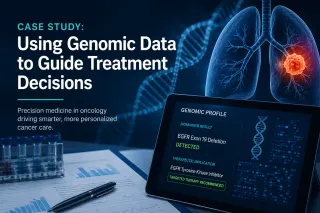
Case Study: Using Genomic Data to Guide Treatment Decisions
Learn how genomic profiling identified an EGFR mutation and guided targeted therapy selection in a real-world precision oncology case. ...more
Precision Medicine in Action
June 11, 2026•8 min read
Stay at the Forefront of Precision Medicine
Subscribe to receive ABOPM insights, research updates, and educational resources delivered directly to your inbox.
Advancing education, certification, and leadership to shape a genomics-driven, data-intelligent future of healthcare.
COMPANY
RESOURCES


© 2023-2025 American Board of Precision Medicine, Inc. All Rights Reserved.