Join CrossFit Gym Cartel for a transformative fitness experience – where every workout propels you towards a healthier, stronger version of yourself.
CROSSFIT
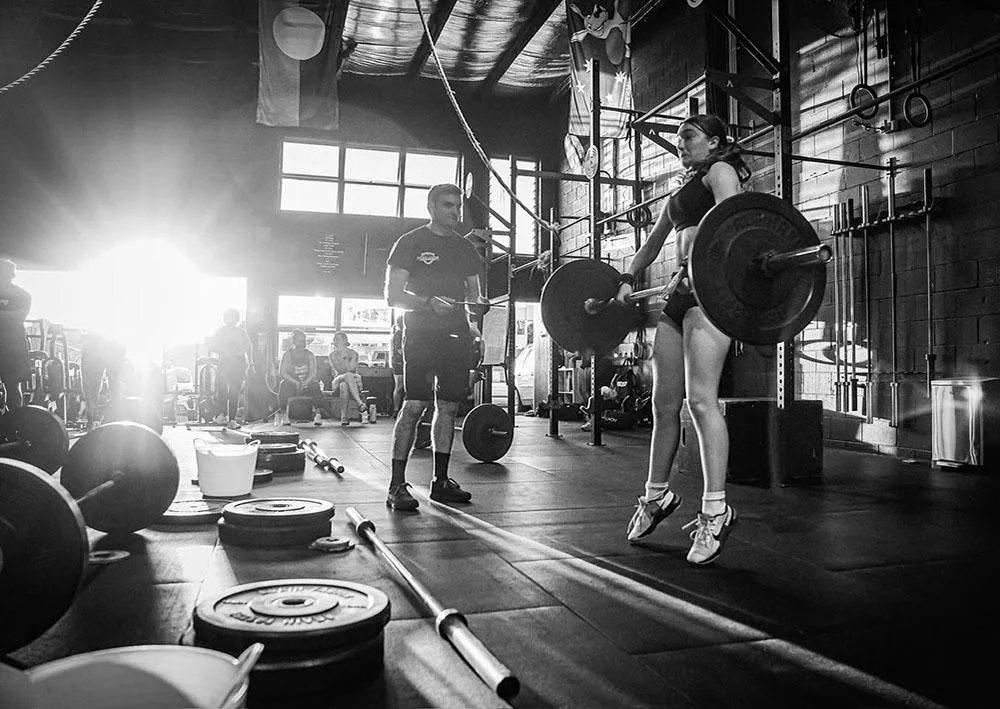
Our CrossFit classes follow the internationally respected HWPO (Hard Work Pays Off) training methodology, created by multiple-time CrossFit Games Champion Mat Fraser. These sessions combine strength, conditioning, gymnastics, Olympic lifting, and functional fitness into a structured program designed to help everyday people and competitive athletes alike become fitter, stronger, and more capable.
Every class is fully coached and scalable to suit all experience and fitness levels. Whether you’re brand new to CrossFit or have years of training experience, our coaches will help you move safely, train with purpose, and get the most out of every session.
HWPO programming places a strong emphasis on quality movement, intentional progression, and developing well-rounded fitness... not just surviving random workouts. Expect a balanced approach to training that improves strength, aerobic capacity, skill, resilience, and confidence both inside and outside the gym.
At Gym Cartel & CrossFit Desire, our goal is simple: create an environment where people can train hard, have fun, and become a better version of themselves through consistent effort and great coaching.

PERSONAL TRAINING
Our Personal Training and Small Group Personal Training sessions are designed for people who want extra accountability, individual attention, and a training plan tailored specifically to their goals. Whether you’re looking to improve strength, lose body fat, build confidence in the gym, return from injury, or simply create more structure around your training, our coaches work with you to create a clear and realistic path forward.
Personal Training offers fully customised coaching in a one-on-one environment, allowing sessions to focus entirely on your individual needs, lifestyle, training history, and goals.
Small Group Personal Training provides the same high level of coaching and structure in a more social and affordable setting, training alongside a small group of like-minded people with similar goals and abilities.
Both options combine expert coaching, accountability, and progressive programming to help you train with purpose and consistency. No matter your starting point, we’re here to help you move better, feel stronger, and build long-term habits that support your health and performance.
CROSSFIT PRETEENS/TEENS
our Youth CrossFit program is designed to help kids and teens aged 8–17 build confidence, strength, fitness, and resilience in a fun and supportive environment. Through age-appropriate coaching, we teach fundamental movement skills like running, jumping, lifting, climbing, and coordination while encouraging teamwork, discipline, and a positive mindset around health and exercise.
Whether your child is looking to improve their sports performance, develop confidence in the gym, or simply move more and have fun, our sessions are scaled to suit all experience and fitness levels. Every class is coach-led, safe, engaging, and focused on helping young athletes build healthy habits that carry over into school, sport, and everyday life.
Our goal isn’t just to create fitter kids... it’s to help raise capable, confident young people who enjoy being active and aren’t afraid to challenge themselves.
FRIDAY NIGHT GYMNASTICS
Our Friday Night Gymnastics class is dedicated to helping CrossFit athletes build the skills, strength, coordination, and confidence needed to master higher-level gymnastics movements. Every Friday at 5:30pm, we focus on one major gymnastics goal over an 8–10 week block, allowing athletes to make real progress instead of constantly jumping between skills.
Throughout the year, focus areas may include Handstand Walking, Ring Muscle-Ups, Bar Muscle-Ups, Handstand Push-Ups, Toes-to-Bar, Pull-Ups, and other foundational gymnastics movements commonly seen in CrossFit training and competition.
These sessions are designed for all levels — whether you’re chasing your first strict pull-up or refining advanced movement efficiency. Coaches provide structured progressions, drills, strength work, and skill development tailored to your current ability.
If you’ve ever felt held back in workouts by gymnastics movements, this class is designed to help close that gap while improving body awareness, coordination, upper body strength, and overall athleticism.
FUNCTIONAL PUMP
Functional Pumps is our Saturday 8:30am session that blends bodybuilding-inspired training with a touch of CrossFit conditioning for the perfect mix of sweat, fitness, and muscle-building fun. Think functional movements, higher reps, supersets, dumbbells, barbells, machines, and enough intensity to leave you with a serious pump by the end of the session.
While this class isn’t your traditional CrossFit workout, don’t be fooled... your heart rate might still climb, but you’ll definitely feel like you trained. Functional Pump is designed to help build lean muscle, improve movement quality, and give members a fun change of pace from the usual grind of the week.
Expect a high-energy atmosphere, great music, and sessions that leave you feeling worked without the pressure of chasing scores or times. It’s the perfect class for anyone wanting to move well, train hard, and walk out feeling stronger, fitter, and just a little bit swollen.
EXERCISE PHYSIOLOGIST
Mitch Delbridge has 12 years of experience as a personal trainer, holds a Bachelor's degree in Clinical Exercise Physiology, has competed at an international level in Olympic weightlifting, holds a Level 1 CrossFit certification, and has 11 years of experience in CrossFit training. His combination of education, practical experience, and athletic achievements has allowed him to develop a broad and deep understanding of exercise physiology and is capable of designing and implementing effective fitness programs for a wide range of clients.
Frequently Asked Questions
WHAT IS AN EXERCISE PHYSIOLOGIST?
An exercise physiologist is a healthcare professional who specialises in the study of how the body responds to physical activity and exercise. They use their knowledge of exercise science to help people improve their health, fitness, and overall well-being through exercise and physical activity.
Exercise physiologists typically have a bachelor's or master's degree in exercise science, kinesiology, or a related field, and may also hold additional certifications in exercise physiology. They have a deep understanding of how exercise affects the body at the cellular, metabolic, and physiological levels, and use this knowledge to design safe and effective exercise programs for their clients.
WHEN SHOULD I SEE AN EXERCISE PHYSIOLOGIST?
It is beneficial for CrossFit athletes to consult with an exercise physiologist to optimise their training program, prevent injury, and improve their overall fitness and performance. An exercise physiologist can assess an individual's fitness level, identify any muscle imbalances or weaknesses, and develop a customised training plan to meet their specific goals.
WHO ARE THE TYPES OF PEOPLE THAT SEE AN EXERCISE PHYSIOLOGIST?
1. Athletes: Exercise physiologists can help athletes improve their performance, prevent injuries, and develop personalised training programs tailored to their specific needs.
2. Patients with chronic conditions: Exercise physiologists can work with patients who have chronic conditions such as heart disease, diabetes, and obesity, to improve their overall health and quality of life.
3. Individuals with weight management goals: Exercise physiologists can help individuals who want to lose weight, gain muscle mass, or maintain a healthy weight through exercise and physical activity.
4. Individuals with musculoskeletal injuries: Exercise physiologists can work with individuals who have musculoskeletal injuries or conditions such as arthritis, to develop exercise programs that help manage their symptoms and improve their overall function.
5. Older adults: Exercise physiologists can help older adults maintain their physical function, independence, and quality of life by developing safe and effective exercise programs that address their specific needs and limitations.
WHAT’S THE DIFFERENCE BETWEEN A PERSON TRAINER AND AN EXERCISE PHYSIOLOGIST?
While both personal trainers and exercise physiologists work in the field of fitness and exercise, there are some key differences between the two professions.
A personal trainer typically focuses on designing and implementing fitness programs for individuals or small groups. They typically work with clients to help them achieve their fitness goals through exercise and physical activity. Personal trainers often have certification in personal training and are trained to motivate clients, monitor their progress, and modify their exercise programs as needed.
On the other hand, an exercise physiologist is a healthcare professional who specialises in the study of how the body responds to exercise and physical activity. They are trained to assess an individual's fitness level, identify any muscle imbalances or weaknesses, and develop a customised training plan to meet their specific goals. Exercise physiologists may also work with patients who have chronic health conditions or injuries to improve their overall health and quality of life through exercise.
While personal trainers and exercise physiologists have some overlapping responsibilities, exercise physiologists typically have more extensive education and training in the science of exercise and how it impacts the body. They may also work in clinical or research settings, in addition to working as personal trainers.
DO I NEED TO SEE MY GP BEFORE I SEE AN EXERCISE PHYSIOLOGIST?
In Australia, you generally do not need a referral from a GP (General Practitioner) to see an exercise physiologist. Exercise physiologists are recognised as allied health professionals in Australia, and as such, you can typically make an appointment directly with an exercise physiologist without a referral.
However, if you have a medical condition or have been recently hospitalised, your doctor may refer you to an exercise physiologist as part of your overall healthcare plan. Additionally, some private health insurance policies may require a referral from a GP to cover the cost of seeing an exercise physiologist.
It's always a good idea to check with your health insurance provider to see what their requirements are for coverage of allied health services like exercise physiology. And if you have any concerns about your health or physical ability to exercise, it's always a good idea to consult with your GP or a healthcare professional before beginning a new exercise program.
CAN I CLAIM MY SESSIONS ON PRIVATE HEALTH INSURANCE?
Yes, many private health insurance policies in Australia offer coverage for exercise physiology services. The amount of coverage and the conditions for claiming reimbursement can vary depending on the policy and the insurer.
To claim your exercise physiology sessions on private health insurance in Australia, you will typically need to provide the following information:
1. A referral from your GP or specialist (if required by your insurer)
2. A receipt or invoice from your exercise physiologist that includes the date of service, the cost of the session, and the provider's details.
3. Any other documentation required by your insurer, such as a claim form or a letter from your exercise physiologist.
It's always a good idea to check with your health insurance provider to see what their specific requirements are for claiming reimbursement for exercise physiology services. This can help ensure that you are properly covered and that you receive any applicable benefits or reimbursement for your sessions.

Ready to Get Started?
Click on the button below to get started.
CrossFit Gym Cartel is dedicated to helping all people to appreciate that being active and healthy is one of the greatest gifts of life.
CROSSFIT GYM CARTEL
HAVE A QUESTIONS?
CrossFit Gym Cartel
9 Tate Street, Albion, QLD, 4010
FOLLOW US :


Copyright ©2026 Gym Cartel Pty Ltd. All rights reserved