Group Benefits Plans & Options for Ontario Employers
Group benefits doesn’t have to be complicated. This page explains the most common benefit options — and how Ontario employers typically combine them into a plan that supports employees without overspending.
Whether you’re offering benefits for the first time or reviewing your renewal, we’ll help you explore options and connect you with a licensed benefits advisor to review plan design and pricing.
Happy Team Group Benefits is a marketing and referral service. A licensed insurance advisor provides all insurance advice, quotes, and plan recommendations.
Benefits aren’t one “product” they’re a bundle of choices.
A licensed advisor will help you choose the right structure — this page simply explains your options.
Most group benefits plans are built from a mix of options like:
Health & Dental
Prescription Drugs
Vision and Paramedical
Life & Disability
Critical Illness (optional)
Health Spending Accounts (HSA)
Mental Health & EAP support
The right plan depends on your:
employee count
team demographics
budget
hiring/retention goals
industry expectations
A licensed advisor will help you choose the right structure — this page simply explains your options.

1) Health and dental
The most common foundation of group benefits plans
Health & dental coverage helps employees pay for the healthcare expenses they face most often — and it’s usually the #1 benefit employees value.
What it can include:
Dental exams, cleanings, fillings
Prescription drugs
Vision exams and eyewear
Paramedical services (massage, physiotherapy, chiropractor)
Medical devices and supplies
Hospital coverage (varies)
Best For:
Teams that want a traditional benefits plan
Businesses competing for talent
Employers focused on retention and culture
Common employer question: “Can we make this affordable?”
Yes — a licensed advisor can design a plan with budget-conscious options, cost-sharing, and coverage levels that fit your team.
2) prescription drug coverage
often The most-used component of a benefits plan
Drug coverage helps employees pay for medications and prescriptions — one of the most frequent claims in group benefits plans.
Why it matters:
High medication costs are a major stressor
Drug coverage can be a key reason employees stay
Plan design affects long-term pricing and renewal
Plan design considerations:
Drug formulary differences
Generic vs brand coverage
Dispensing fee caps
Annual maximums (if applicable)
A licensed advisor will explain your plan design options and how they impact pricing.

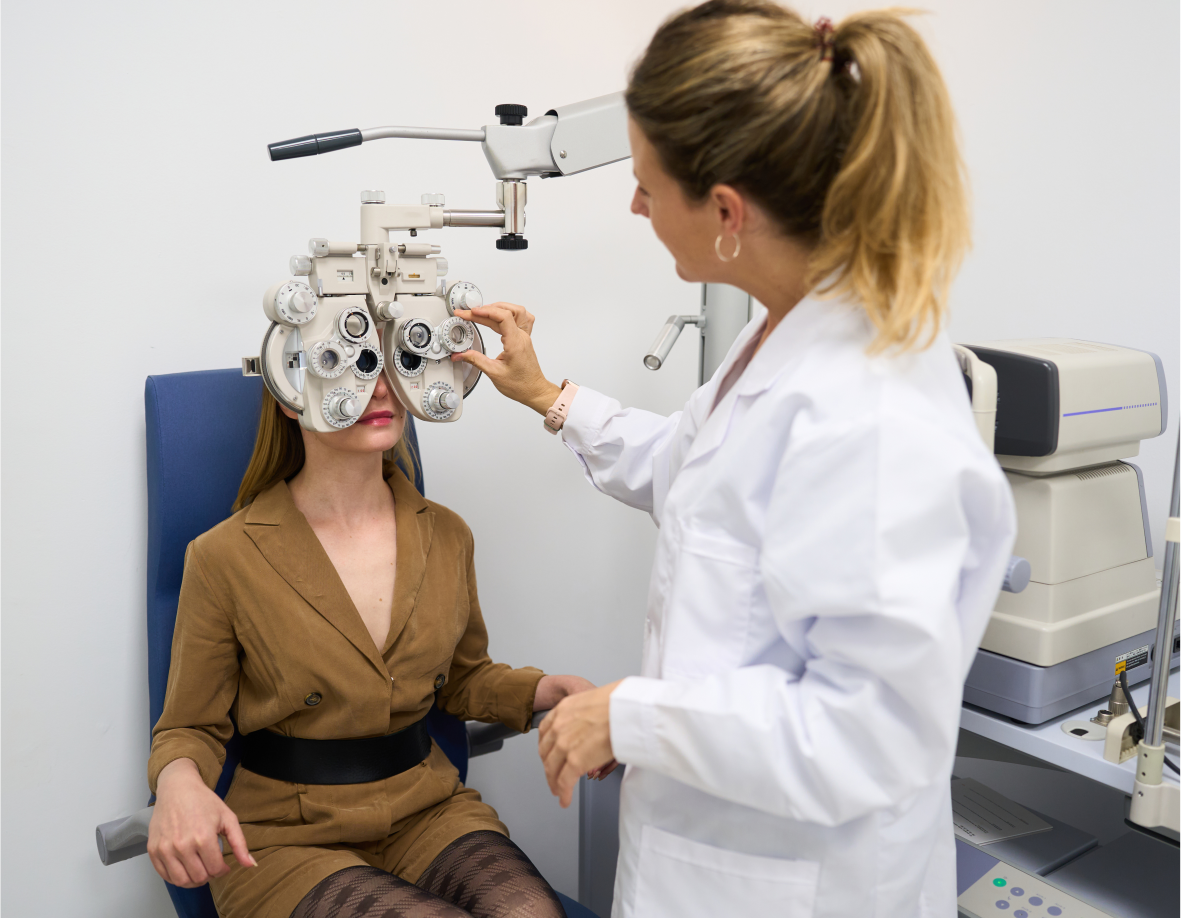
3) Vison & paramedical coverage
Small cost, high preceived value for employees
This category is often what employees “feel” the most — because it covers everyday services.
Common services included:
Eye exams and eyewear
Massage therapy
Physiotherapy
Chiropractor
Mental health services (varies by plan)
Naturopath (varies)
Best For:
Professional services team
Health conscious workplaces
Employers focused on retention and culture
Pro tip:
These benefits often boost employee satisfaction more than expected — without being the most expensive part of a plan.
4) life insurance
Basic financial protection for employees and their families
Disability insurance helps protect an employee’s income if illness or injury prevents them from working.
Common types:
Basic life insurance (flat amount or salary multiple)
Optional life insurance (employee-paid upgrades)
Dependent life coverage
Accidental death & dismemberment (AD&D)
Best for:
Teams who want a well-rounded benefits package
Employers who want meaningful protection without complexity


5) Disability insurance
one of the most important, and most misunderstood benefits
Disability insurance helps protect an employee’s income if illness or injury prevents them from working.
There are 2 common types:
Short-Term Disability (STD)
Usually covers a short period (weeks to months)
Provides partial income replacement
Long-Term Disability (LTD)
Supports income replacement long-term if needed
Often becomes a critical part of a full plan
Best For:
Teams focused on stability and protection
Employers wanting a strong plan for retention
Businesses looking to offer meaningful benefits beyond dental and drugs
A licensed advisor will explain how disability coverage works and what plan options fit your team’s budget.
6) critical illness
a valuable option for certain teams and demographics
Critical illness coverage pays a lump sum benefit if an insured person is diagnosed with certain serious illnesses (depending on policy terms).
Why employers include it:
Provides financial support for major life disruptions
Can be employer-paid or voluntary (employee-paid)
Can be a differentiator in competitive hiring markets
Best for:
Teams that want a stronger “protection-focused” plan
Employers adding a premium option
Businesses offering voluntary benefits


7) health spending account (hsa)
the most flexible option for small teams, and a great way to start
An HSA is a tax-efficient health and wellness spending account that can be used for eligible expenses. Employers set an annual budget per employee and employees claim expenses.
Why employers love HSA's:
Flexible and easy to understand
Great for smaller budgets
Predictable cost for the employer
Employees can use it for what they need most
Can be a standalone option or added to a plan
Best For:
Teams of 3–15 employees
Startups and small businesses
Employers who want simplicity
Businesses testing benefits for the first time
Common employer question: “Is HSA-only enough?”
In some cases, yes — and for others, it’s a starting point before expanding into full coverage. A licensed advisor can help you choose the best approach.
8) employee assistan program & mental health support
support that impacts retention and productivity
EAPs and mental health tools provide employees and families with support services such as:
Counselling resources
Life coaching support
Stress management tools
Financial or legal support resources (varies)
Best for:
Employers focused on wellbeing and retention
Professional services and high-stress industries
Teams looking to strengthen culture

common plan structures
Popular Plan Structures for Ontario Employers
Most businesses choose one of these starting points — and adjust coverage as the company grows.
A simple way to get benefits started without overspending.
Basic health & dental
Limited paramedical coverage
Optional Health Spending Account (HSA)
Simple cost-sharing structures
Predictable monthly costs
Best for:
Teams of 3–15 · First-time benefits
The most common choice for growing Ontario teams.
Strong health & dental foundation
Prescription drug coverage
Vision & paramedical services
Life insurance
Disability coverage (varies)
Best for:
Growing teams · Retention-focused employers
Designed to support retention and competitive hiring.
Enhanced dental & paramedical coverage
Stronger drug plans
Disability + optional critical illness
Higher maximums and wellness options
Optional flex-style plan design
Best for:
Competitive hiring · Culture-first teams
Pricing varies based on employee count, coverage levels, and plan structure. A licensed advisor will provide pricing and recommendations after learning about your team.
Which plan is best for
your team?
The simplest way to find out is a short conversation.
In a quick options call, a licensed advisor can help you:
compare starter, balanced, and premium plans
understand costs and contribution options
see what employees will actually use
choose a plan that fits your business and budget
Happy Team Group Benefits is a marketing and referral service. Insurance advice, quotes, and plan recommendations are provided by a licensed insurance advisor.
FAQ's
Frequently Asked Questions
Q: Do I need minimum number of employees?
Many plans are available for small teams, often starting around 3 employees, depending on eligibility and plan type. HSAs may also be an option.
Q: Can I offer benefits without paying 100%?
Yes, plans can be structured with employer-paid, employee-paid, or cost-shared models.
Q: Can we start with HSA only?
In many cases, Yes. HSAs are popular starting point for small teams and can also be added on top of a benefits plan.
Q: Can we change plans later?
Yes, many employers start simple and expand coverage as the business grows.
Q: Do you provide quotes?
Happy Team Group Benefits does not provide quotes or advice. A licensed advisor provides all, pricing recommendations, and plan selection support.

Ready to explore group benefits options?
Let’s make this simple. Book a call to review plan options and pricing with a licensed group benefits advisor.
Happy Team Group Benefits is a marketing and referral company and is not a licensed insurance agency. Insurance products and advice are provided by licensed insurance advisors.

Helping Ontario employers find simple, affordable group benefits solutions for small and mid-sized teams.
© 2026 TruCare Group Insurance - All Rights Reserved.
Happy Team Group Benefits is a marketing and referral service and is not a licensed insurance agency or broker. Insurance products, advice, quotes, and recommendations are provided exclusively by licensed insurance advisors.
Contact
FAQ
Privacy Policy