
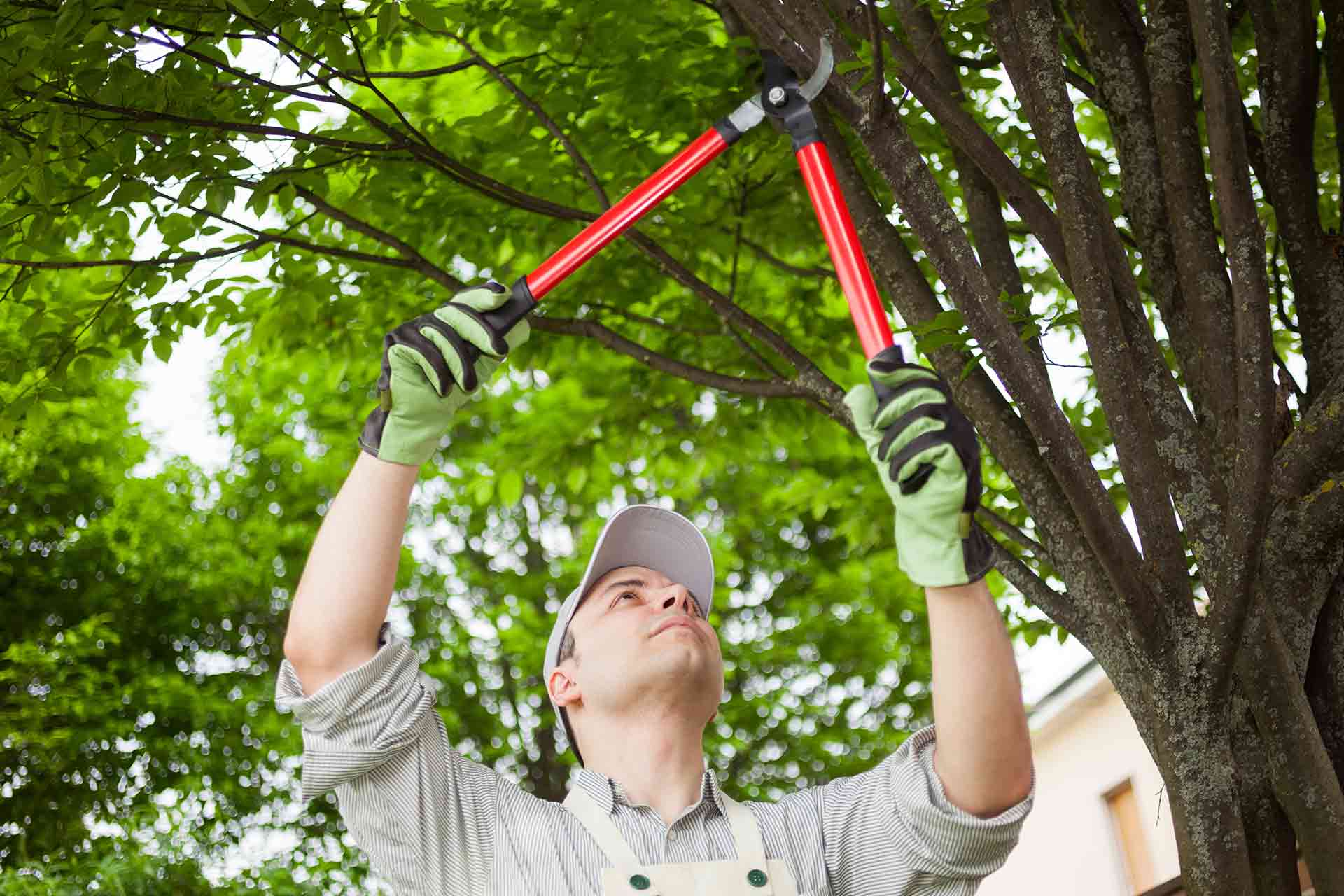
Understanding Local Tree Removal Laws in Shingle Springs, CA and Surrounding Areas
Tree removal is not as simple as cutting down a tree, especially for homeowners living in Shingle Springs and surrounding areas. Local regulations are designed to protect public safety, preserve environmental balance, and prevent unnecessary tree loss. Understanding these laws before starting any tree removal project can help homeowners avoid fines, delays, and legal issues while ensuring responsible land management.
Why Are Tree Removal Laws Important for Homeowners?
Tree removal laws exist to protect communities from environmental damage, soil erosion, and safety hazards. Trees play a vital role in preventing runoff, improving air quality, and supporting local ecosystems. Regulations ensure that trees are removed only when necessary and in a controlled manner that does not negatively affect neighboring properties or public land.
Do Homeowners Always Need Permission to Remove a Tree?
Not every tree requires permission to be removed, but many situations do. Permission is often required for large, mature, or protected trees, especially if they contribute to environmental stability or neighborhood aesthetics. Homeowners are responsible for confirming whether a permit is required before cutting, even on private property.
What Types of Trees Are Commonly Protected by Law?
Protected trees typically include heritage trees, native species, or trees above a certain trunk diameter. These trees may have historical, environmental, or visual significance. Removing them without approval can lead to serious penalties, making it essential to identify whether a tree is protected before proceeding.
How Do Tree Removal Permits Work?
A tree removal permit usually requires submitting an application explaining why removal is necessary. This may include reasons such as disease, storm damage, safety risks, or construction needs. Authorities may inspect the tree before granting approval and may require replacement planting as part of the permit conditions.
Are Dead or Dangerous Trees Exempt From Permits?
Dead, dying, or hazardous trees are sometimes exempt from standard permit requirements, but documentation is often required. Homeowners may need proof from a certified arborist confirming that the tree poses a risk. Removing a tree without proper evidence can still result in penalties, even if the tree appears unsafe.
What Happens If a Tree Is Removed Without Permission?
Unauthorized tree removal can lead to fines, mandatory replanting, or legal action. In some cases, penalties increase depending on the size or type of tree removed. Homeowners may also be held responsible for environmental damage caused by improper removal.
How Do Tree Removal Laws Affect Property Development Projects?
Tree removal laws play a major role in property development and renovations. Trees located near construction zones often require special approval before removal. Developers and homeowners may need to redesign plans to preserve certain trees or provide mitigation measures such as planting new ones.
Can Utility or Safety Concerns Override Tree Removal Restrictions?
Utility maintenance and public safety concerns can sometimes override tree protection laws. Trees interfering with power lines, road visibility, or emergency access may qualify for expedited removal. However, proper authorization is still required in most cases to ensure compliance.
Who Is Responsible for Trees Near Property Lines?
Trees located on or near property boundaries can create disputes. Responsibility often depends on trunk location rather than branch spread. Homeowners should verify ownership and legal responsibility before removing or trimming such trees to avoid conflicts or legal claims.
How Can Homeowners Stay Compliant With Local Tree Laws?
Staying compliant requires researching local regulations, consulting professionals, and obtaining permits when necessary. Working with licensed arborists and keeping records of approvals helps homeowners avoid violations and ensures environmentally responsible tree management.
Final Thoughts
Understanding local tree removal laws is essential for homeowners in Shingle Springs and surrounding areas. These regulations are designed to balance property rights with environmental responsibility and community safety. By researching requirements, obtaining permits, and seeking professional guidance when needed, homeowners can manage trees legally, safely, and responsibly while protecting their property and the surrounding landscape.
Can I trim a tree without a permit?
Minor trimming is usually allowed, but excessive pruning that harms the tree may require approval.
Are replacement trees mandatory after removal?
In many cases, replacement planting is required to maintain environmental balance.
Do tree laws apply to rental properties?
Yes, property owners are responsible for compliance regardless of tenant occupancy.
Can neighbors object to tree removal?
Neighbors may raise concerns if removal affects shared views, shade, or drainage.
Are fines issued immediately for violations?
Some violations receive warnings first, but serious cases may result in immediate penalties.
Email: [email protected]
Phone: +1 530-497-4540
Address: 5767 Pleasant Valley Road El Dorado, California 95623