
Timber Falling Techniques in Placerville & Surrounding Areas
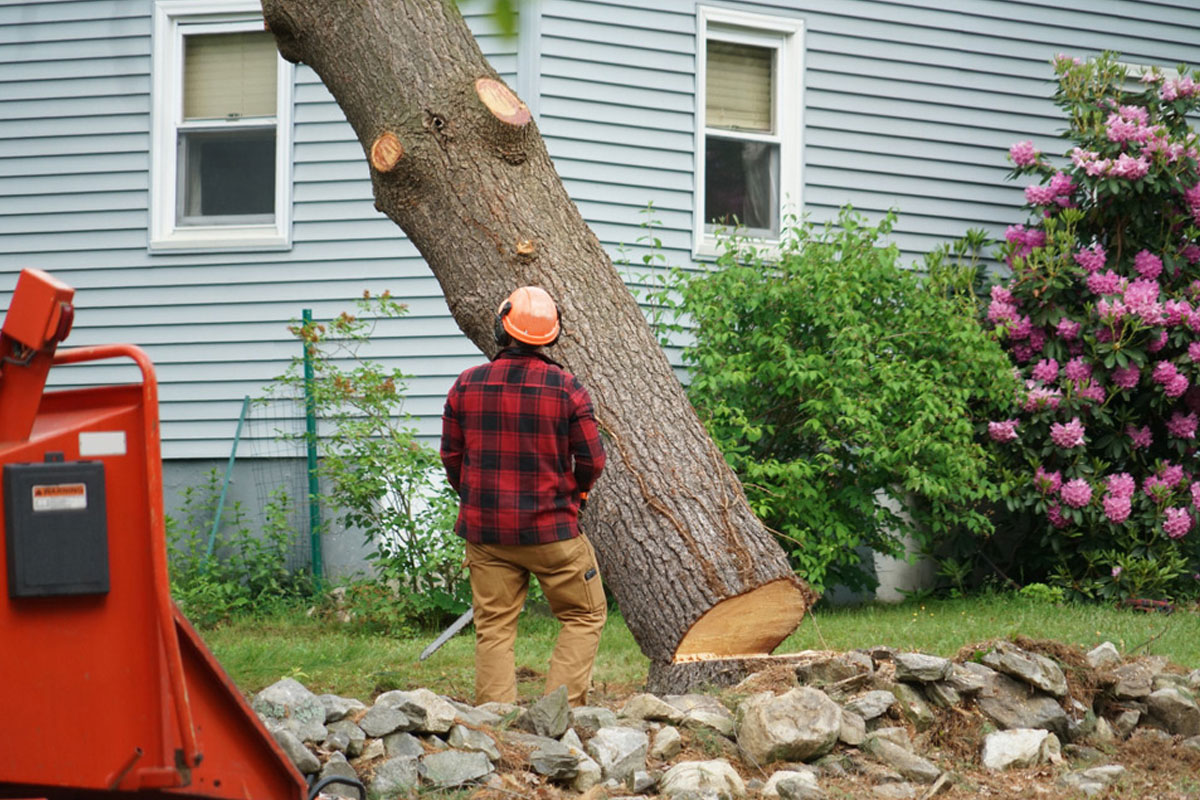
Timber falling techniques are essential for safely managing trees on residential, commercial, and undeveloped land. Proper methods help control tree direction, minimize property damage, and reduce risks to people and nearby structures. Professional timber falling focuses on planning, precision cuts, and environmental awareness to ensure safe and efficient outcomes in varying terrain and tree conditions.
Why are professional timber falling techniques critical for safety?
Timber falling involves significant risks due to tree weight, height, and unpredictable movement. Professional techniques account for lean, wind conditions, and surrounding obstacles before any cuts are made. Controlled execution reduces the likelihood of accidental damage or injury. Skilled planning ensures trees fall exactly where intended. Safety protocols protect both workers and nearby property.
How does proper assessment influence successful tree falling?
Before cutting begins, professionals evaluate tree health, root stability, and overhead hazards. This assessment determines the safest cutting strategy and fall direction. Trees weakened by decay or storm damage require additional precautions. In some cases, Emergency Tree Removal Storm services are needed when trees pose immediate threats. Thorough evaluation ensures the safest possible outcome.
What cutting methods are commonly used in timber falling?
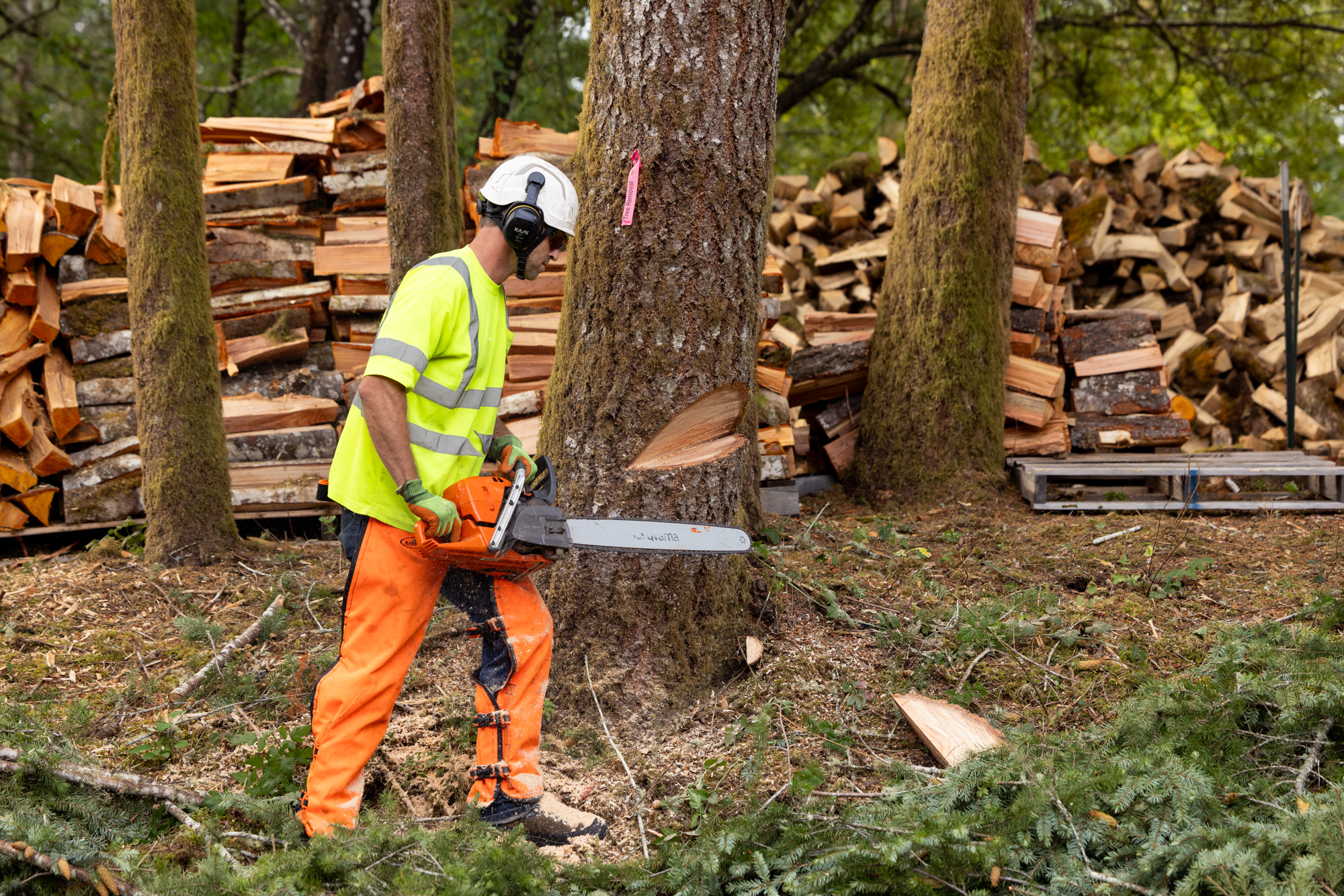
Directional notch cuts and back cuts are standard techniques used to guide tree movement. These cuts control how and where the tree falls. Precision is essential to prevent splitting or unexpected shifts. Professionals adjust techniques based on tree species and size. Proper execution improves efficiency and safety.
How can timber falling improve land usability and visibility?
Removing poorly placed or overgrown trees opens space and improves land function. View enhancement tree trimming is often coordinated with timber falling to restore sightlines and balance landscapes. Strategic tree removal enhances property appearance while maintaining environmental stability. This approach supports both safety and aesthetic goals.
What role does terrain play in timber falling decisions?
Sloped or uneven ground increases complexity and risk. Professionals adjust cutting angles and fall zones to compensate for elevation changes. Equipment placement and escape routes are carefully planned. Proper technique prevents trees from rolling or shifting after impact. Terrain awareness is critical for safe execution.
How is vegetation management connected to timber falling?
Timber falling often supports broader vegetation control strategies. Defensible Space & Vegetation planning reduces wildfire risk by managing tree density and fuel loads. Removing select trees improves airflow and spacing. This proactive approach enhances long-term land safety and sustainability.
What happens to wood after timber falling is completed?
Fallen timber can be processed in multiple ways depending on project goals. Wood-Waste Monetization Mulch allows materials to be recycled into usable products. This reduces disposal waste and supports environmentally responsible practices. Repurposing wood adds value beyond removal.
How are large properties handled during timber falling projects?
Large lots require coordinated planning to manage multiple trees efficiently. Stump Grinding in large lot areas often follows timber falling to fully clear the land. This ensures safe footing and prepares the property for future use. Large-scale projects benefit from professional coordination and equipment.
Why is timber falling used in commercial and HOA settings?
Commercial tree in HOA Tree management requires strict safety and compliance standards. Timber falling techniques are adapted to protect shared spaces, infrastructure, and residents. Professionals ensure minimal disruption while completing necessary removals. Proper coordination helps maintain community safety and appearance.
When should homeowners avoid attempting timber falling themselves?
DIY timber falling is dangerous without proper training and equipment. Uncontrolled falls can cause serious injury or costly damage. Professional services ensure compliance with safety standards and environmental considerations. Expert handling significantly reduces risk and liability.
Final Thought
Timber falling techniques require skill, planning, and professional execution to ensure safety and efficiency. Property owners in Placerville benefit from expert methods that protect structures, manage vegetation responsibly, and support long-term land use goals. Choosing professional timber falling services ensures reliable results without unnecessary risk.
Is timber falling different from standard tree removal?
Yes, timber falling focuses on controlled directional cuts rather than dismantling trees in sections. This method is often used where adequate space allows for full tree descent. Professional planning is required to manage risks.
Can timber falling be done year-round?
In most cases, yes, though weather conditions such as wind or saturated ground may delay work. Professionals assess conditions before proceeding to ensure safety.
Does timber falling damage surrounding land?
When done correctly, ground impact is minimized through controlled fall zones and cleanup planning. Additional services may restore disturbed areas.
Is timber falling environmentally responsible?
Yes, when managed properly, it supports healthy forests, fire prevention, and responsible material reuse.
What permits are required for timber falling?
Permit requirements vary based on property type and tree classification. Professionals help determine compliance before work begins.
Email: [email protected]
Phone: +1 530-497-4540
Address: 5767 Pleasant Valley Road El Dorado, California 95623