
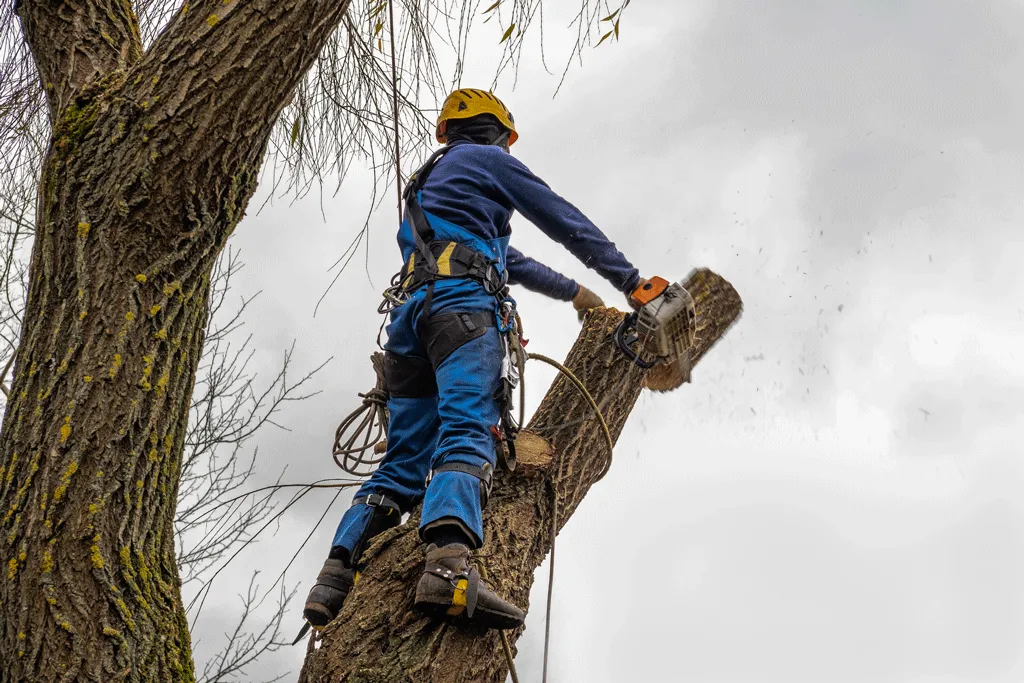
Timber Falling Safety Measures in Shingle Springs & Surrounding Areas
Timber falling safety measures are critical for managing trees in a controlled, responsible, and injury-free manner. Trees are heavy, unpredictable, and influenced by wind, terrain, and internal decay, making safety planning essential before any cutting begins. Proper safety practices reduce the risk of property damage, worker injury, and environmental disruption. Each timber falling project requires careful evaluation of tree structure, lean direction, and surrounding obstacles. Professionals rely on established safety protocols to control fall paths and maintain clear escape routes. Equipment inspection and protective gear play a vital role in minimizing hazards. Communication between crew members ensures coordinated movements and rapid response if conditions change. Weather monitoring helps prevent work during unsafe conditions such as high winds. Safety measures also protect nearby vegetation and structures from unintended impact. When applied correctly, timber falling becomes a precise and manageable operation rather than a dangerous task.
Why are safety measures essential before beginning timber falling operations?
Timber falling involves significant force that can cause severe injury or damage if uncontrolled. Safety measures ensure that tree direction, cutting angles, and escape paths are planned in advance. Proper preparation allows professionals to react quickly to unexpected shifts during the fall. These precautions protect workers, nearby structures, and surrounding land. A disciplined safety approach reduces liability and improves overall project outcomes.
How does site assessment improve timber falling safety?
Site assessment identifies hazards such as uneven terrain, overhead lines, and nearby structures. Understanding ground slope and soil stability helps determine safe fall zones. Trees with internal decay or storm damage require additional planning. In high-risk situations, Emergency Tree Removal Storm services may be necessary to address immediate threats. Thorough assessment ensures the safest cutting strategy is selected.
What role does protective equipment play in timber falling safety?
Protective equipment shields workers from falling debris, sharp tools, and noise exposure. Helmets, face shields, chainsaw chaps, and reinforced boots reduce injury risk. Consistent use of safety gear is essential regardless of project size. Equipment maintenance is equally important to prevent mechanical failures. Together, gear and equipment standards create a safer working environment.
How do controlled cutting techniques reduce accident risk?
Directional notch cuts guide the tree’s fall path and reduce unpredictable movement. Back cuts are executed carefully to maintain control until the tree begins its descent. Precision cutting prevents splitting and sudden shifts. These techniques require training and experience to perform correctly. Controlled cuts are fundamental to safe timber falling.
Why is escape route planning a critical safety measure?
Escape routes provide a clear path away from the falling tree. Professionals plan multiple routes to account for unexpected movement. These paths are cleared of obstacles before cutting begins. Quick access to an escape route can prevent serious injury. Planning ahead ensures workers can retreat safely at the right moment.
How does vegetation management support timber falling safety?
Dense undergrowth can restrict movement and visibility during operations. Defensible Space & Vegetation management clears work areas and reduces fire hazards. Removing excess brush improves footing and reaction time. Clear surroundings allow better control during tree descent. Vegetation management enhances both safety and environmental balance.
What happens to wood debris after safe timber falling is completed?
Fallen timber can be repurposed rather than discarded. Wood-Waste Monetization Mulch transforms debris into useful ground cover. This approach reduces waste and supports environmentally responsible practices. Proper debris handling also prevents tripping hazards. Responsible disposal completes the safety cycle.
How are large properties managed during timber falling projects?
Large properties require careful coordination to manage multiple trees safely. Work zones are clearly defined to control access and movement. Stump Grinding in large lot areas often follows timber falling to eliminate remaining hazards. Coordinated planning ensures safe progress across expansive spaces. Scale management is key to maintaining safety.
Why are safety standards stricter in shared or commercial areas?
Shared spaces require additional precautions to protect residents and infrastructure. Commercial tree in HOA Tree projects demand compliance with safety regulations and scheduling controls. Public access is restricted during operations to prevent accidents. Clear communication with stakeholders is essential. These measures maintain safety in high-traffic environments.
When should property owners avoid attempting timber falling themselves?
Timber falling without training is extremely dangerous. Improper cuts or misjudged fall paths can result in severe injury or property loss. Professional services provide experience, equipment, and safety protocols. Hiring experts significantly reduces risk. Safety should always outweigh cost concerns.
Final Thought
Timber falling safety measures are the foundation of responsible tree management. Property owners in Shingle Springs benefit from professional practices that protect people, structures, and land. When safety protocols are followed, timber falling becomes a controlled and efficient process rather than a hazardous undertaking.
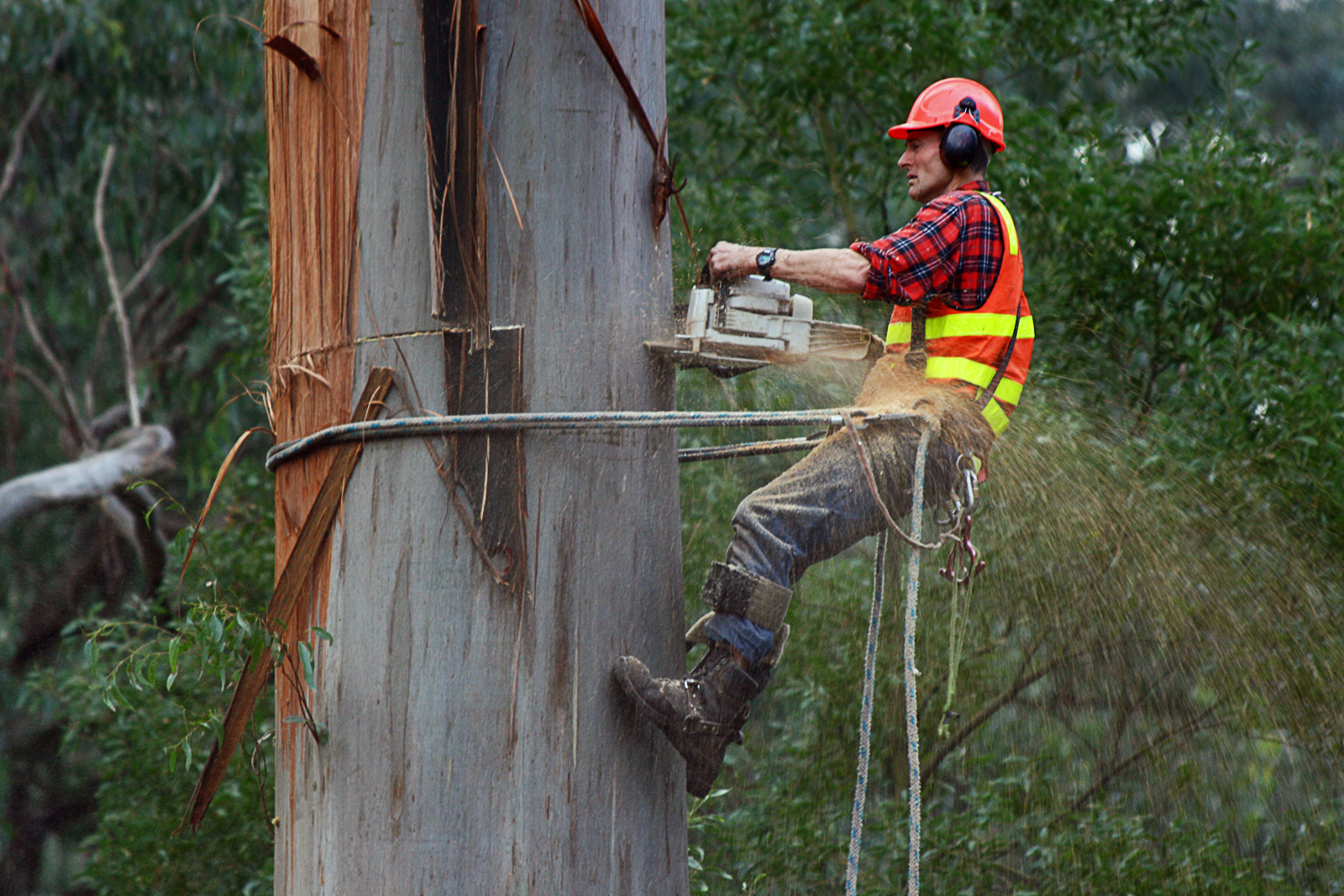
Is timber falling more dangerous than standard tree removal?
Timber falling carries higher risk because trees are dropped in full sections rather than dismantled piece by piece. This requires greater planning and control. Professional execution significantly reduces these risks.
Can timber falling be performed in all weather conditions?
Weather plays a major role in safety. High winds, rain, or unstable ground can delay work. Professionals assess conditions before proceeding.
Does timber falling damage surrounding land?
When safety measures are followed, ground impact is minimized. Professionals plan fall zones and cleanup to protect soil and vegetation.
Are permits required for timber falling projects?
Permit requirements vary depending on property type and tree classification. Professionals help ensure compliance before work begins.
Is timber falling environmentally responsible?
Yes, when done correctly it supports forest health, fire prevention, and responsible material reuse.
Email: [email protected]
Phone: +1 530-497-4540
Address: 5767 Pleasant Valley Road El Dorado, California 95623