New Forest District & Surrounding Areas


Trading since 2021

Fully insured
New Forest District
New Forest District gardens range from coastal terraces to woodland estates to suburban family plots. Soils vary from sandy and acidic to heavy clay and peaty. Salt spray near the coast, shade in forests, waterlogging in low-lying areas. Edens Edge landscaping understands the full range of New Forest gardening challenges. Call 07850412717 for a free first visit.

Same gardener every visit
Fully insured, £5m cover
Free first assessment
Same gardener every visit
Garden Trouble? Let Us Help.
Best Price Guarantee
Every Project Tailored To You
Our Services
Our Gardener services across New Forest District
Finding the right gardener in New Forest District starts with understanding what diverse, complex gardens actually need. The District covers coastal towns, inland Forest villages, and suburban fringe settlements. Properties range from Georgian and Victorian terraces to expansive woodland estates to post-war estates. Soils include coastal clays and silts, sandy and gravelly soils on higher ground, acidic heathland soils, and peaty waterlogged ground in low-lying areas. Edens Edge landscaping has worked across Winchester, Eastleigh, Chandlers Ford and the full range of New Forest District environments. We understand these complex, varied gardens.
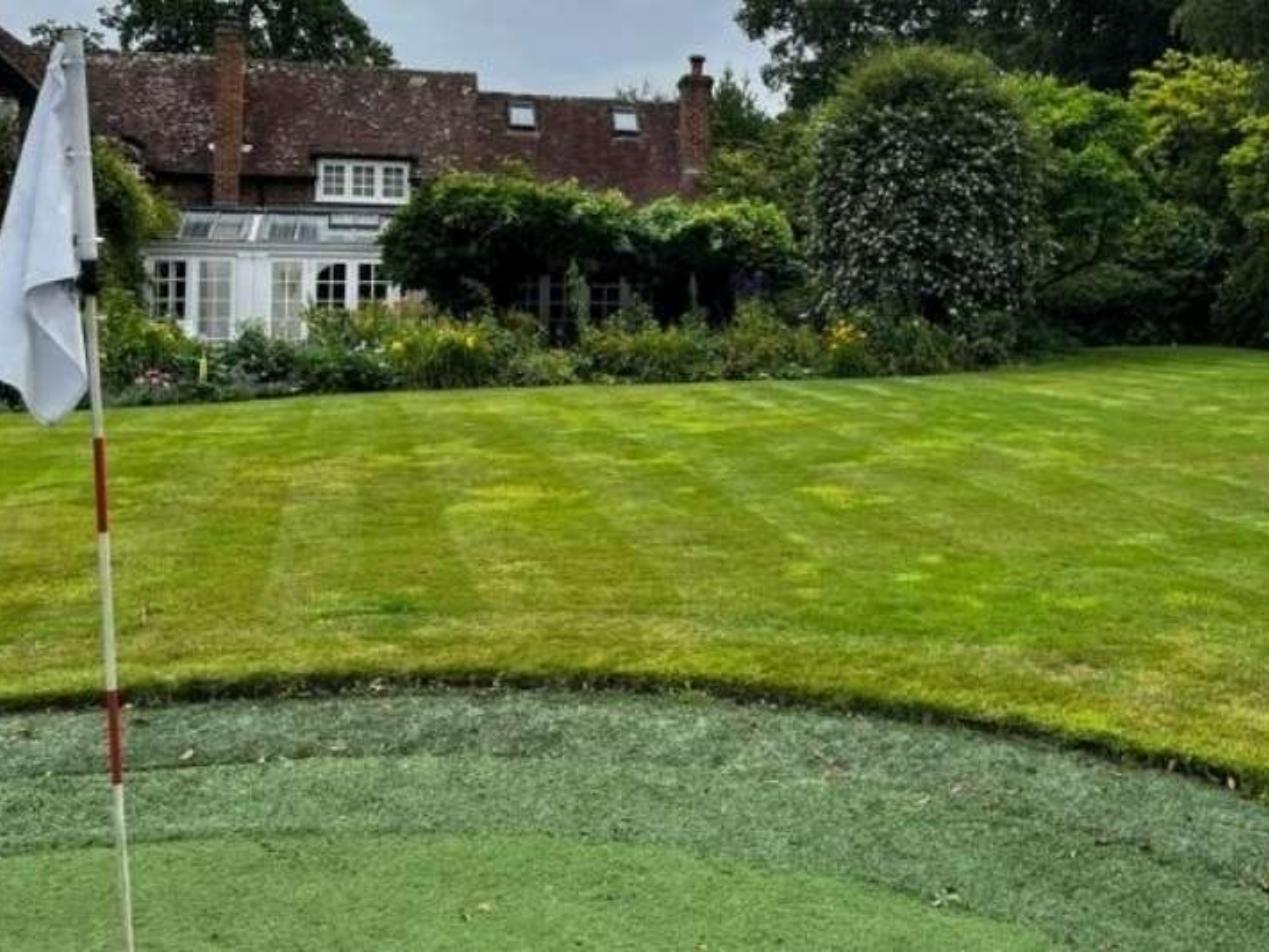
Lawn mowing and maintenance
New Forest District lawns range from modest suburban plots to extensive woodland estates to coastal courtyard gardens. Soils vary dramatically: sandy and gravelly soils on higher ground drain quickly, coastal clays and silts retain moisture, acidic heathland and peaty soils have specific characteristics. High humidity and frequent rainfall promote growth and encourage moss and algae. Shade in wooded areas affects grass quality. Regular maintenance means understanding local soil type and adjusting approaches. Consistent, knowledgeable care keeps lawns looking good despite varied conditions.

Fencing Installation
Fencing in New Forest District needs to be built properly because the diverse setting and variable conditions require it. Coastal areas experience wind exposure and salt spray that accelerate weathering. Inland areas with moisture and acidic soils present different challenges. Heavy clay soils in low-lying areas have specific post requirements. Access for installation varies from tight, narrow lanes in old cores to straightforward modern estates. Getting installation right for your specific location, soil, and exposure is what separates fencing that lasts.

Garden Work
Garden work in New Forest District covers everything from managing woodland edges and mature tree cover to reshaping established planting and maintaining coastal or suburban gardens. Properties range from compact village plots to expansive grounds with woodland and paddocks. Some face specific challenges from salt spray or waterlogging. Others have shade issues from mature trees. Work requires understanding the specific context of each property rather than applying generic solutions. The skill is designing and managing around existing constraints.

Grass seeding
Grass seeding in New Forest District needs to account for highly variable soils and conditions. Sandy soils on higher ground drain quickly but may stress under drought. Heavy clays in coastal plains retain moisture and can be challenging for germination. Acidic heathland soils have specific nutrient profiles. Peaty soils in low-lying areas present waterlogging challenges. Knowledge of which grass types survive local conditions and getting timing right for New Forest climate is essential. Success requires understanding the specific soil challenge in your space.
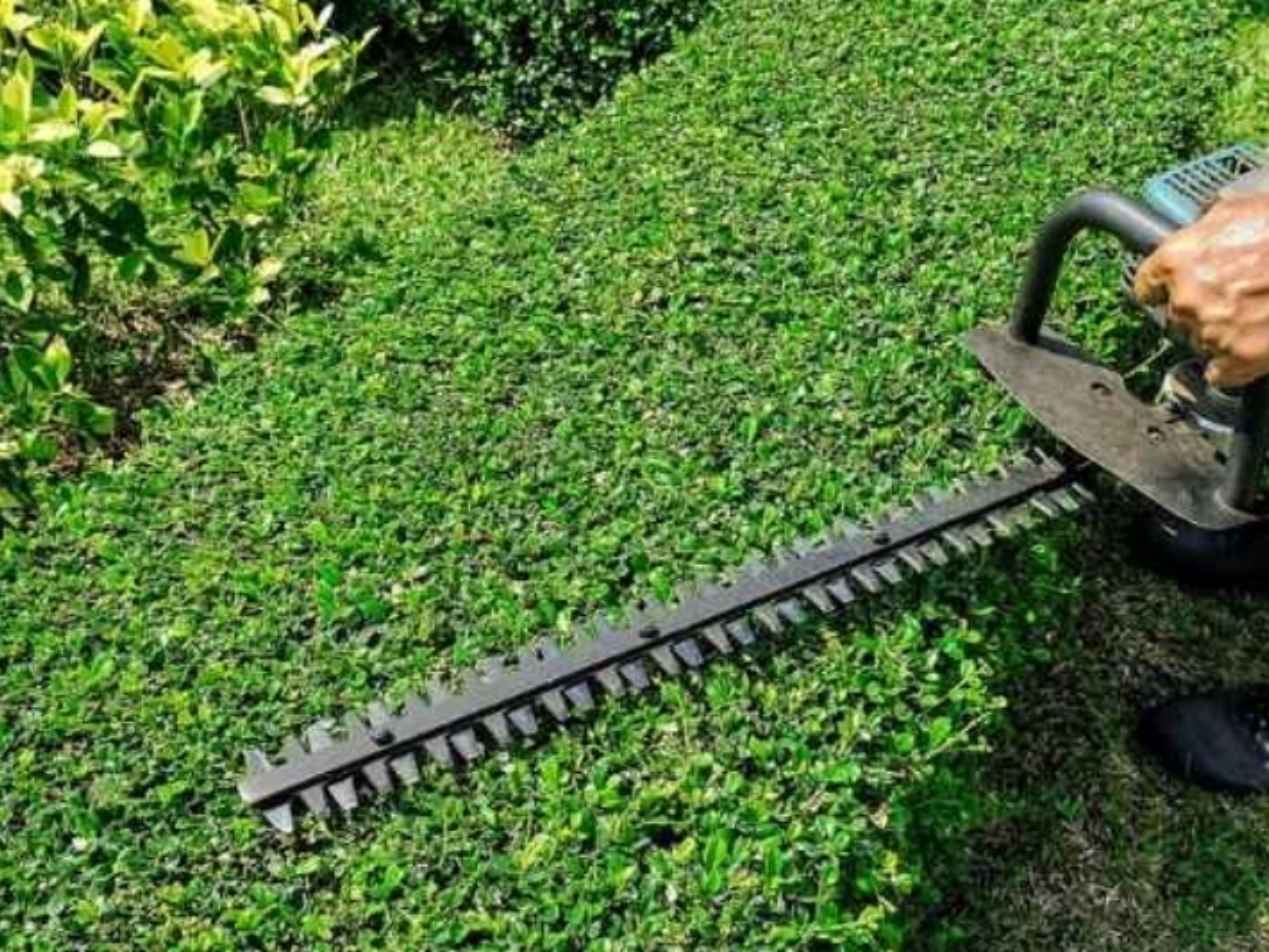
Hedge trimming
Hedges across New Forest District often form property boundaries, privacy screens, or shelter belts. Formal garden hedges need regular, skilled trimming to maintain shape. Coastal hedges experience wind loading and salt exposure requiring specific techniques. Woodland edges influence growth and require careful management. Vigorous growth is promoted by high humidity and frequent rainfall. Regular management keeps hedges healthy and maintains property boundaries.
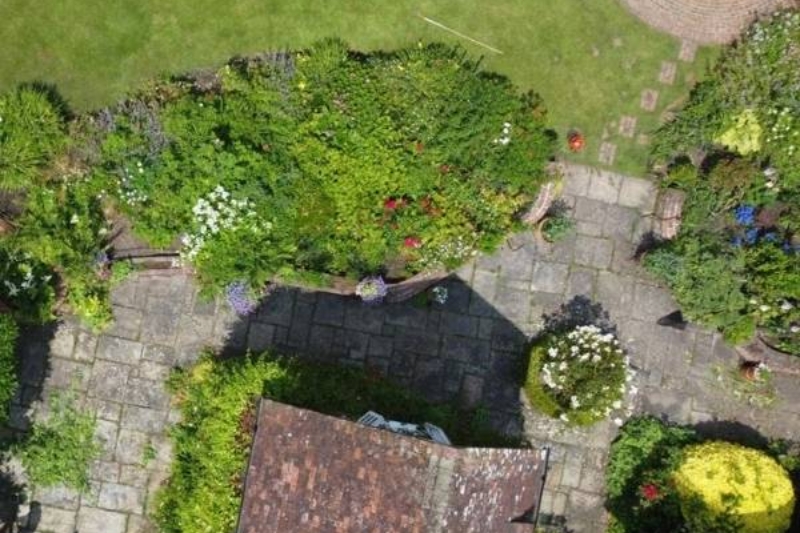
Landscape design
Landscape design across New Forest District requires understanding diverse property types, variable soils, and the specific context of each location. From compact coastal courtyards to expansive woodland estates to family suburban plots, solutions need to work with local conditions rather than against them. Coastal properties benefit from salt-tolerant planting and weather-resistant materials. Wooded properties require sympathetic design. Suburban estates may focus on practical family spaces. Each demands adaptation.

4.9—STAR RATED BY 800+ CUSTOMERS


Available for Spring Bookings
Local Knowledge
Gardener in New Forest District — what we see on the ground
New Forest District is diverse in character and property types. Coastal towns like Lymington and Milford-on-Sea feature Georgian and Victorian terraces, townhouses, and modern apartments often with smaller courtyard or terrace gardens. These areas attract affluent retirees, professionals, and yacht owners with higher expectations for garden maintenance and design. Hythe and Dibden Purlieu have more standard suburban and former council housing with more practical, value-conscious landscaping focus. Inland Forest villages like Lyndhurst and Brockenhurst offer a mix of older cottages, farmhouses, and newer estates with gardens ranging from modest to extensive grounds including woodland and paddocks.
Soils across New Forest District are highly variable. Coastal areas have clays and silts. Higher ground features sandy and gravelly soils that drain quickly. Heathland areas have acidic soils. Low-lying areas contain peaty, seasonally waterlogged ground. Access varies dramatically: coastal town cores and older lanes have tight, narrow access requiring careful planning. Newer estates may offer better vehicular access but have smaller gardens. Older Forest villages combine historic character with tourism-linked businesses and significant grounds. Property density is highest in town centres, lowest in Forest villages and outlying hamlets.
New Forest District is shaped by tourism, marine industries, commuting to Southampton and Bournemouth, and local services. Demand varies by area and property type. Coastal holiday-let owners focus on kerb appeal and durability. Affluent owner-occupiers in premium areas invest in high-standard maintenance and design-led projects. Suburban families want practical, family-focused spaces. The approach Edens Edge landscaping takes is always about understanding the specific context of your property, your location, and your soil conditions, then adjusting work accordingly.
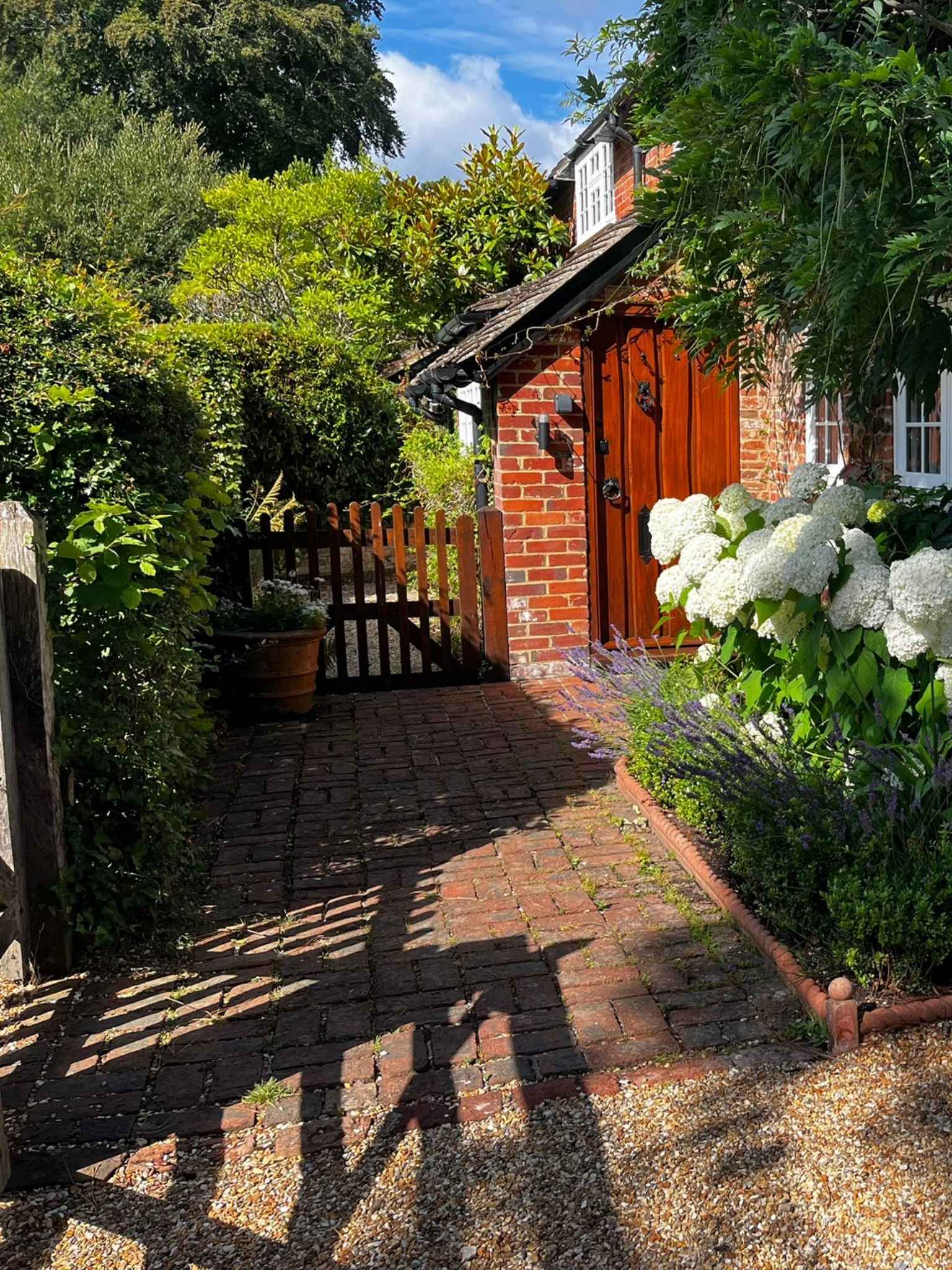
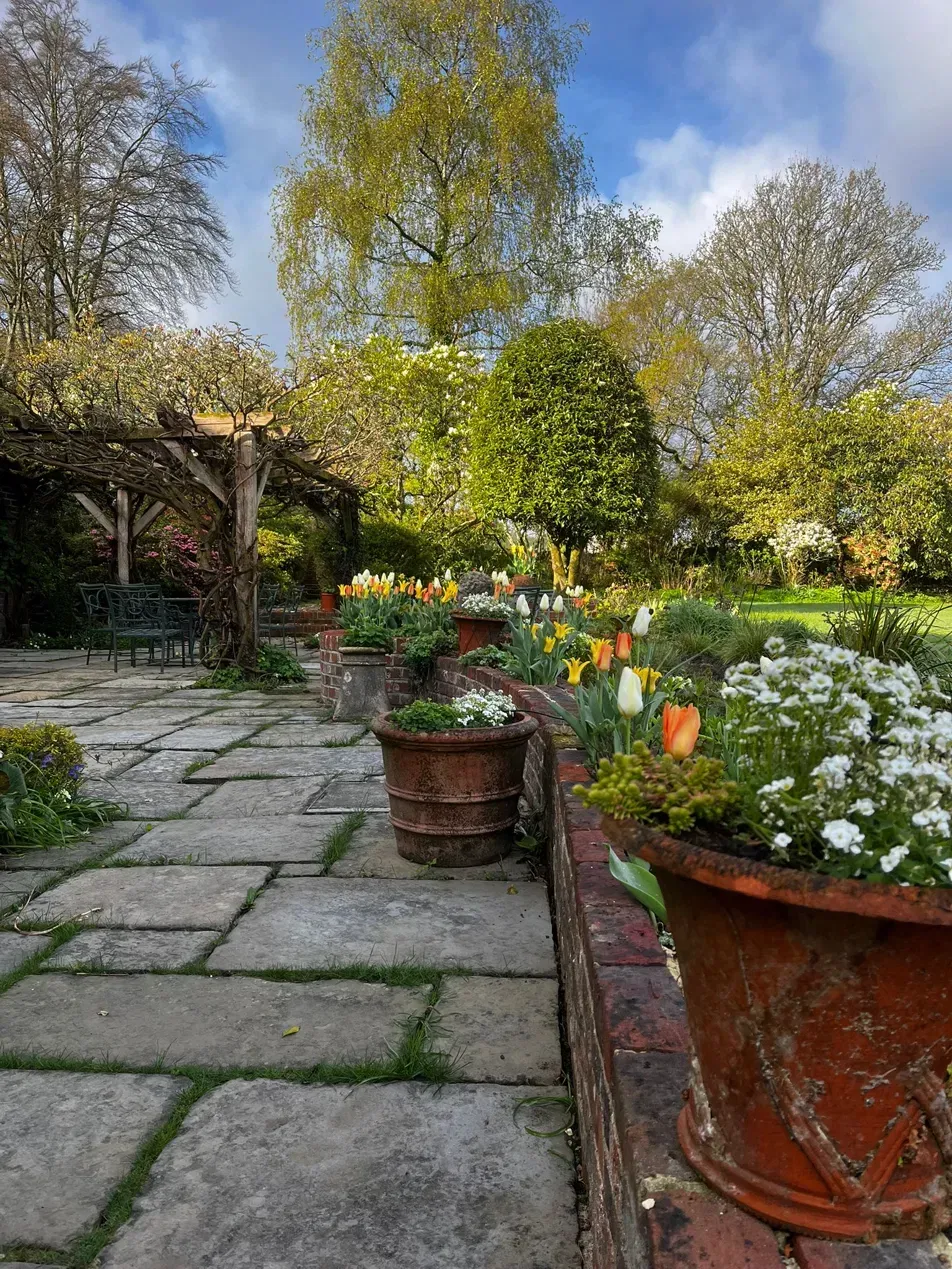
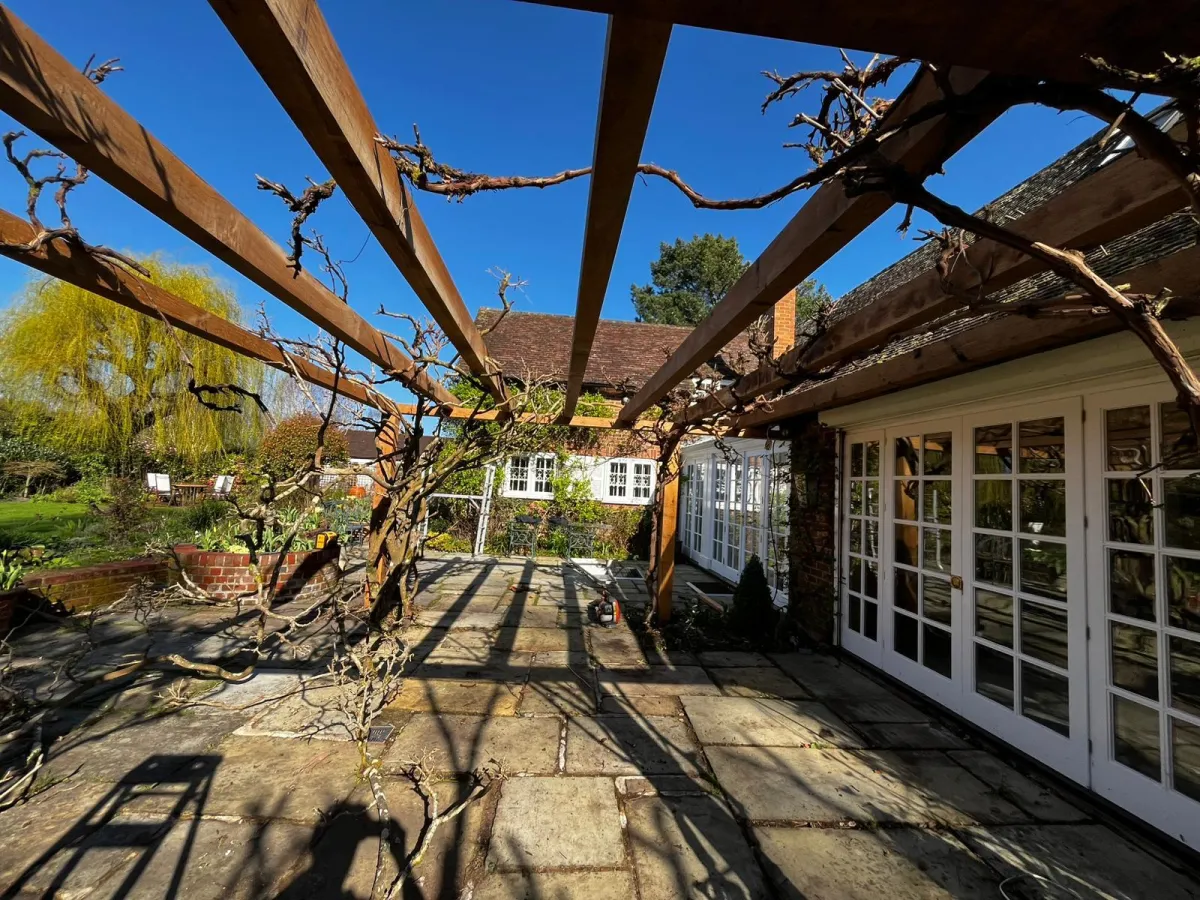
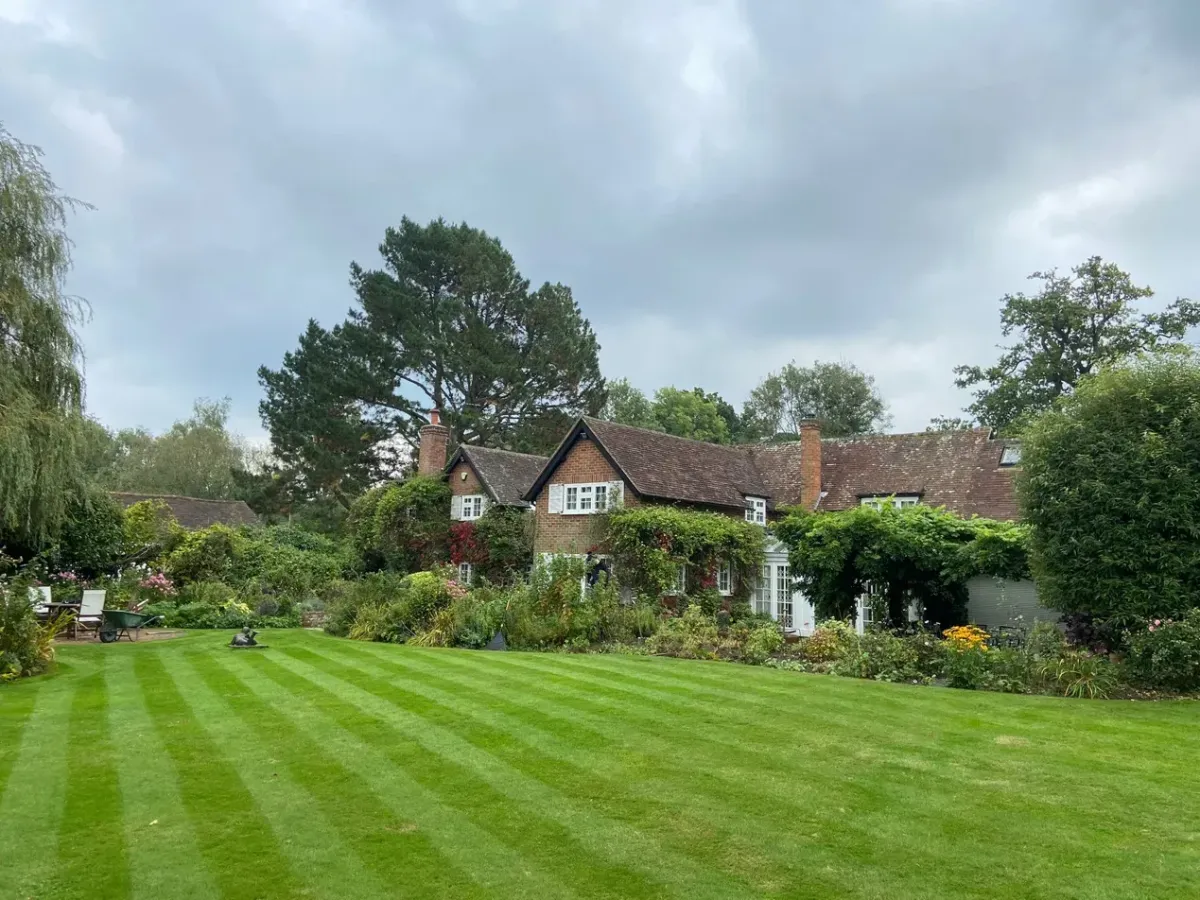
Real work, real gardens — New Forest District
These are actual jobs carried out across the full range of New Forest District environments. Work that understands coastal, forest, and suburban gardens and their specific needs.
FAQ's
Frequent Asked Questions
Answering your questions about Gardener services in New Forest District.
How much does a gardener cost in New Forest District?
Costs vary significantly depending on location, garden size, and specific conditions. A coastal townhouse with exposure challenges is different from a Forest estate with woodland management or a suburban family garden. Edens Edge landscaping offers a free first visit to assess your property, understand the specific soil and location challenges, and give an accurate quote before any work is agreed. Find out more about our Gardener services in New Forest District.
Do you cover the whole of New Forest District?
custom_values.company_name}} covers all of New Forest District including coastal towns, Forest villages, and suburban areas. Properties across the District share some common challenges like high humidity, frequent rainfall, and varied soils, but each area and location has specific characteristics. We have experience across the full range: coastal exposure and salt spray near Lymington, woodland shade in Lyndhurst and Brockenhurst, waterlogging in low-lying areas, and standard suburban family gardens. See all the areas we cover.
How often should I have my garden maintained in New Forest District?
Most New Forest District gardens benefit from planned, seasonal maintenance. Spring brings strong growth once temperatures rise, particularly in open gardens. Shaded and wooded areas grow more slowly. Summer can bring occasional drought stress on sandy soils. High humidity and frequent rainfall throughout the year promote growth and encourage moss, algae, and lichen. Autumn brings heavy leaf fall in tree-rich areas. Winter focuses on storm damage repair and structural management. On variable soils with moisture and salt concerns, regular maintenance prevents issues and keeps gardens resilient. Find out how our Lawn mowing and maintenance service works across New Forest District.
Get in touch
Ready to get started?
your free no obligation quote today. Edens Edge landscaping covers all of New Forest District including coastal towns, Forest villages, and suburban fringe areas. Most jobs booked within the week.
Find Us
Service Area
Edens Edge landscaping covers New Forest District and all its diverse areas from coastal Lymington to inland Lyndhurst to suburban Hythe. Use the map to see our full service coverage.
Edens Edge landscaping
Professional Gardener in Southampton
Unit 4, Riverside Court, Cupar KY15 5JY, United Kingdom
Quick Links
Service areas
Opening Hours
Mon - Fri
8am – 6pm
Saturday
9am – 4pm
Sunday
Closed
© 2026 Edens Edge landscaping. All rights reserved.
Privacy Policy
Terms & Conditions