
A New Approach to
Fertility Support
A New Approach to
Fertility Support
Supporting reproductive health at the cellular level
At Origins, our approach to fertility care brings together PRP intrauterine therapy, acupuncture, and Mayan Abdominal Massage — a combination of treatments that work together to support uterine health, optimize conditions for implantation, and address the underlying factors that influence conception.
Dr. Laura Clevenger brings specialized expertise in intrauterine PRP therapy, an emerging and increasingly evidence-supported treatment for fertility conditions that have historically been difficult to address through conventional care.
Supporting reproductive health at the cellular level
At Origins, our approach to fertility care brings together PRP intrauterine therapy, acupuncture, and Mayan Abdominal Massage — a combination of treatments that work together to support uterine health, optimize conditions for implantation, and address the underlying factors that influence conception.
Dr. Laura Clevenger brings specialized expertise in intrauterine PRP therapy, an emerging and increasingly evidence-supported treatment for fertility conditions that have historically been difficult to address through conventional care.
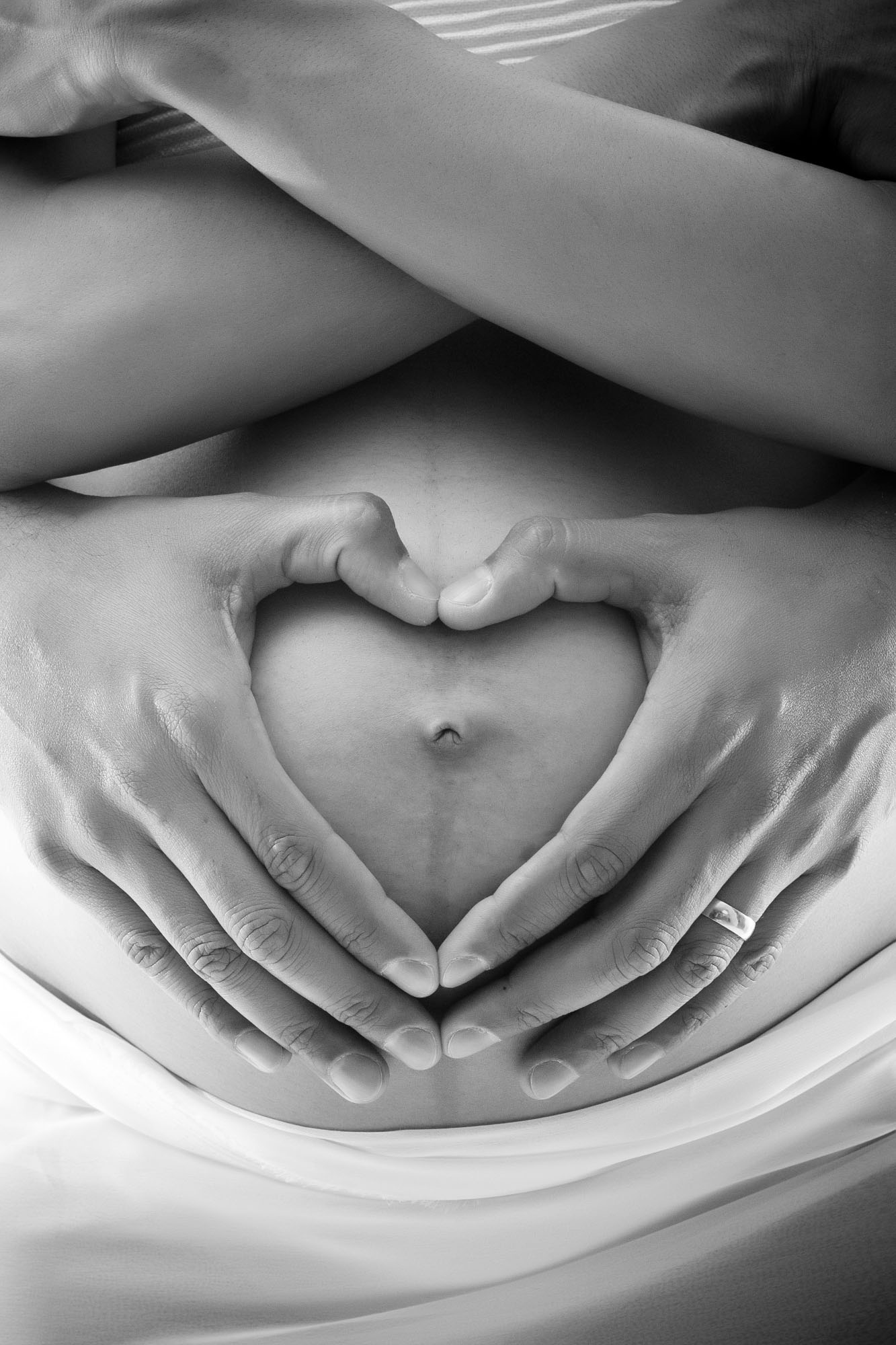
What Is Intrauterine PRP?
Intrauterine PRP involves the direct instillation of platelet-rich plasma into the uterine cavity — delivering a concentrated collection of growth factors and bioactive proteins precisely to the endometrial tissue. PRP contains over 1,100 different proteins, including key growth factors such as PDGF, TGF-β, VEGF, EGF, and FGF — all of which play essential roles in tissue regeneration, cellular proliferation, and vascular development.
When introduced into the uterine environment, PRP stimulates endometrial proliferation, promotes angiogenesis within the uterine lining, activates stem cell receptors in the endometrium, and supports the development of a receptive, well-vascularized uterine environment — creating the biological conditions necessary for successful implantation and sustained pregnancy.
What Is Intrauterine PRP?
Intrauterine PRP involves the direct instillation of platelet-rich plasma into the uterine cavity — delivering a concentrated collection of growth factors and bioactive proteins precisely to the endometrial tissue. PRP contains over 1,100 different proteins, including key growth factors such as PDGF, TGF-β, VEGF, EGF, and FGF — all of which play essential roles in tissue regeneration, cellular proliferation, and vascular development.
When introduced into the uterine environment, PRP stimulates endometrial proliferation, promotes angiogenesis within the uterine lining, activates stem cell receptors in the endometrium, and supports the development of a receptive, well-vascularized uterine environment — creating the biological conditions necessary for successful implantation and sustained pregnancy.
WE’RE HERE FOR YOU.
Conditions we support
Asherman's Syndrome
Asherman's Syndrome — also known as intrauterine adhesions or uterine synechiae — is a condition in which scar tissue forms within the uterine cavity, typically as a result of prior uterine surgery, dilation and curettage (D&C), or endometrial infection. These adhesions can significantly impair fertility by distorting the uterine cavity, reducing endometrial receptivity, and preventing normal implantation.
Intrauterine PRP has emerged as a promising regenerative approach for Asherman's Syndrome — stimulating endometrial regeneration, promoting angiogenesis in scarred tissue, and supporting the restoration of a healthy uterine environment. A clinical study published in the American Journal of Reproductive Immunology demonstrated that intrauterine PRP infusion in patients with Asherman's Syndrome produced significant improvements in endometrial thickness and uterine cavity morphology — with subsequent improvements in pregnancy outcomes in patients who had previously experienced implantation failure.
Thin Endometrial Lining
An adequate endometrial thickness — typically 7mm or greater — is considered essential for successful implantation. Patients with a persistently thin endometrium despite conventional hormonal treatment represent one of the most challenging clinical scenarios in reproductive medicine. Intrauterine PRP has demonstrated meaningful benefit in this population — with multiple clinical studies showing significant increases in endometrial thickness, improved endometrial receptivity, and improved pregnancy rates following PRP instillation in patients with thin endometrium refractory to standard treatment.
A prospective study published in Fertility and Sterility found that intrauterine PRP infusion in patients with thin endometrium resulted in a statistically significant increase in endometrial thickness and a meaningful improvement in clinical pregnancy rates compared to controls — offering new hope for patients who had previously failed multiple IVF cycles due to inadequate endometrial development.
Recurrent Implantation Failure
Recurrent implantation failure — defined as the failure to achieve pregnancy after multiple embryo transfers of good-quality embryos — remains one of the most frustrating and emotionally taxing challenges in fertility medicine. Intrauterine PRP has shown promising results in this population, with research suggesting that PRP infusion may improve endometrial receptivity, modulate the local immune environment, and create more favorable conditions for embryo implantation. A randomized controlled trial published in Human Reproduction found that patients with recurrent implantation failure who received intrauterine PRP prior to embryo transfer demonstrated significantly higher clinical pregnancy rates and live birth rates compared to the control group.
Recurrent Pregnancy Loss
Emerging research suggests that intrauterine PRP may also play a role in supporting patients experiencing recurrent pregnancy loss — by improving endometrial quality, supporting the development of a more receptive uterine environment, and modulating immunological factors that may contribute to early pregnancy failure.
WE’RE HERE FOR YOU.
Conditions we support
Asherman's Syndrome
Asherman's Syndrome — also known as intrauterine adhesions or uterine synechiae — is a condition in which scar tissue forms within the uterine cavity, typically as a result of prior uterine surgery, dilation and curettage (D&C), or endometrial infection. These adhesions can significantly impair fertility by distorting the uterine cavity, reducing endometrial receptivity, and preventing normal implantation.
Intrauterine PRP has emerged as a promising regenerative approach for Asherman's Syndrome — stimulating endometrial regeneration, promoting angiogenesis in scarred tissue, and supporting the restoration of a healthy uterine environment. A clinical study published in the American Journal of Reproductive Immunology demonstrated that intrauterine PRP infusion in patients with Asherman's Syndrome produced significant improvements in endometrial thickness and uterine cavity morphology — with subsequent improvements in pregnancy outcomes in patients who had previously experienced implantation failure.
Thin Endometrial Lining
An adequate endometrial thickness — typically 7mm or greater — is considered essential for successful implantation. Patients with a persistently thin endometrium despite conventional hormonal treatment represent one of the most challenging clinical scenarios in reproductive medicine. Intrauterine PRP has demonstrated meaningful benefit in this population — with multiple clinical studies showing significant increases in endometrial thickness, improved endometrial receptivity, and improved pregnancy rates following PRP instillation in patients with thin endometrium refractory to standard treatment.
A prospective study published in Fertility and Sterility found that intrauterine PRP infusion in patients with thin endometrium resulted in a statistically significant increase in endometrial thickness and a meaningful improvement in clinical pregnancy rates compared to controls — offering new hope for patients who had previously failed multiple IVF cycles due to inadequate endometrial development.
Recurrent Implantation Failure
Recurrent implantation failure — defined as the failure to achieve pregnancy after multiple embryo transfers of good-quality embryos — remains one of the most frustrating and emotionally taxing challenges in fertility medicine. Intrauterine PRP has shown promising results in this population, with research suggesting that PRP infusion may improve endometrial receptivity, modulate the local immune environment, and create more favorable conditions for embryo implantation. A randomized controlled trial published in Human Reproduction found that patients with recurrent implantation failure who received intrauterine PRP prior to embryo transfer demonstrated significantly higher clinical pregnancy rates and live birth rates compared to the control group.
Recurrent Pregnancy Loss
Emerging research suggests that intrauterine PRP may also play a role in supporting patients experiencing recurrent pregnancy loss — by improving endometrial quality, supporting the development of a more receptive uterine environment, and modulating immunological factors that may contribute to early pregnancy failure.
A note about our approach to fertility care
At Origins, we understand that the path to parenthood can be one of the most emotionally complex journeys a person can experience. Our approach to fertility care is always compassionate, individualized, and deeply respectful of where you are in your journey. We are here to support you — not just biologically, but as a whole person navigating something profoundly significant.
A note about our approach to fertility care
At Origins, we understand that the path to parenthood can be one of the most emotionally complex journeys a person can experience. Our approach to fertility care is always compassionate, individualized, and deeply respectful of where you are in your journey. We are here to support you — not just biologically, but as a whole person navigating something profoundly significant.
GET STARTED
Ready to find your root cause?
Your health story deserves more than a surface-level answer. Let’s go deeper – together.
Testimonials
Hear from our patients
Real experiences from real people. At Origins Integrative Health, our measure of success is simple — how our patients feel, heal, and thrive over time.
Origins Integrative Health
1421 SE Ankeny St., Portland, OR 97214


Discover
Services
Sign up for our newsletter
and stay in the know
Get our latest insights to support your journey to better health.
© 2026 Origins Integrative Health. All rights reserved.
GET STARTED
Ready to find your root cause?
Your health story deserves more than a surface-level answer.
Let’s go deeper – together.
Testimonials
Hear from our patients
Real experiences from real people. At Origins Integrative Health, our measure of success is simple — how our patients feel, heal, and thrive over time.
Origins Integrative Health
1421 SE Ankeny St.,
Portland, OR 97214
Discover
Services
Sign up for our newsletter
and stay in the know
Get our latest insights to support your journey to better health.
© 2026 Origins Integrative Health. All rights reserved.