
Local Wind Energy Project Developers in Surrounding Areas: Architects of Community Resilience and Off-Grid Living
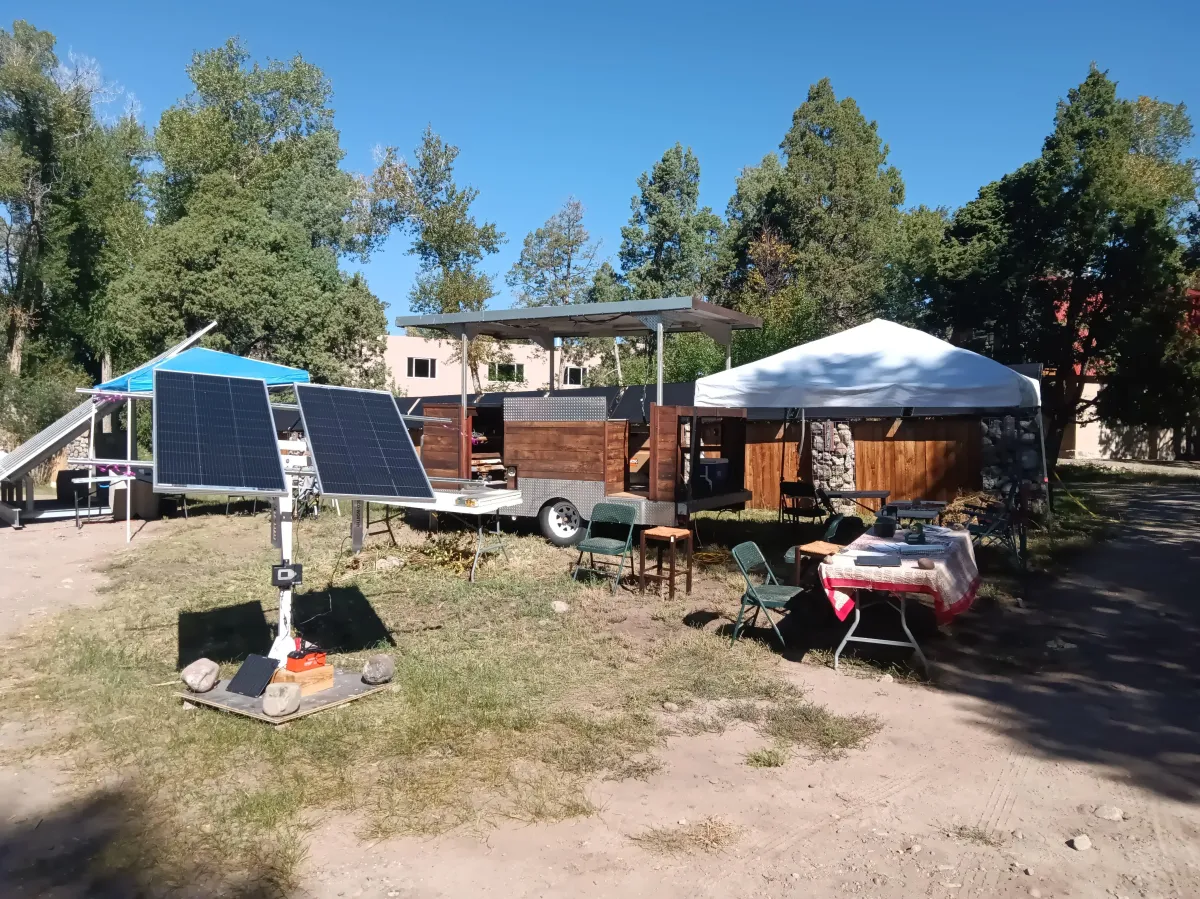
Local wind energy project developers in surrounding areas are at the forefront of advancing sustainable energy solutions. By designing, financing, and managing community-scale and residential wind projects, they empower homeowners and neighborhoods to reduce reliance on the traditional power grid, lower utility costs, and foster resilient, self-sufficient communities. These developers combine technical expertise with community engagement to ensure projects not only generate clean energy but also provide social and economic benefits, creating a roadmap for long-term sustainability and energy independence.
What Are the Economic and Environmental Benefits for Communities in Surrounding Areas?
Community wind projects in surrounding areas offer a range of economic and environmental benefits. Shared energy generation can reduce household electricity bills by up to thirty percent, providing tangible cost savings for residents. These projects also create local employment opportunities during installation and maintenance, stimulating regional economies. On the environmental side, every kilowatt-hour of electricity generated from wind reduces reliance on fossil fuels, contributing to lower carbon emissions and cleaner air. Together, these advantages help communities achieve both financial and ecological sustainability.
How Can Homeowners Participate in Community Wind Energy Initiatives in Surrounding Areas?
Homeowners in surrounding areas can participate in community wind energy projects through cooperative ownership programs, community power purchase agreements, or by hosting micro-turbines on their property. These models allow individuals to access reliable off-grid energy without bearing the full financial burden of installation. By engaging in these initiatives, residents benefit from collective cost savings, energy independence, and a stronger sense of community resilience.
How Do Residential Wind Turbines Support Off-Grid Energy Independence in Surrounding Areas?
Residential wind turbines convert the kinetic energy of wind into electricity, which is used to charge battery banks and power homes. When installed in optimal locations, these systems can provide complete or partial independence from the traditional power grid. By enabling homeowners in surrounding areas to generate their own electricity, residential turbines foster energy autonomy and provide a reliable source of power, even in remote or off-grid settings.
What Types of Wind Turbines Are Best for Homes in Surrounding Areas?
Homeowners in surrounding areas typically choose between horizontal-axis and vertical-axis turbines. Horizontal-axis turbines are highly efficient in areas with consistent wind speeds above nine miles per hour and are best suited for open, rural locations. Vertical-axis turbines, on the other hand, perform well in all wind directions and are ideal for urban or turbulent environments. Selecting the right turbine type ensures maximum energy generation and efficiency for residential off-grid systems.
How Do You Size a Wind Turbine for Your Home in Surrounding Areas?
Sizing a wind turbine depends on the average wind speed, the household's energy consumption, and the capacity of the battery storage system. Proper sizing is critical to avoid installing a system that is too small, which may fail to meet energy needs, or too large, which can lead to unnecessary expenses. Developers typically conduct detailed assessments to match turbine capacity with energy requirements, ensuring optimal performance and return on investment for homes in surrounding areas.
What Are the Cost and Installation Considerations for Home Wind Turbines in Surrounding Areas?
The cost of installing a wind turbine generally ranges from three thousand to eight thousand dollars per kilowatt of capacity, with additional expenses for site preparation, engineering, permitting, and ongoing maintenance. Homeowners must ensure compliance with local zoning and interconnection rules, and plan for long-term maintenance arrangements. By carefully addressing these factors, residents in surrounding areas can ensure a smooth installation process and reliable long-term operation of their wind energy systems.
Why Are Hybrid Wind and Solar Systems Ideal for Off-Grid Living in Surrounding Areas?
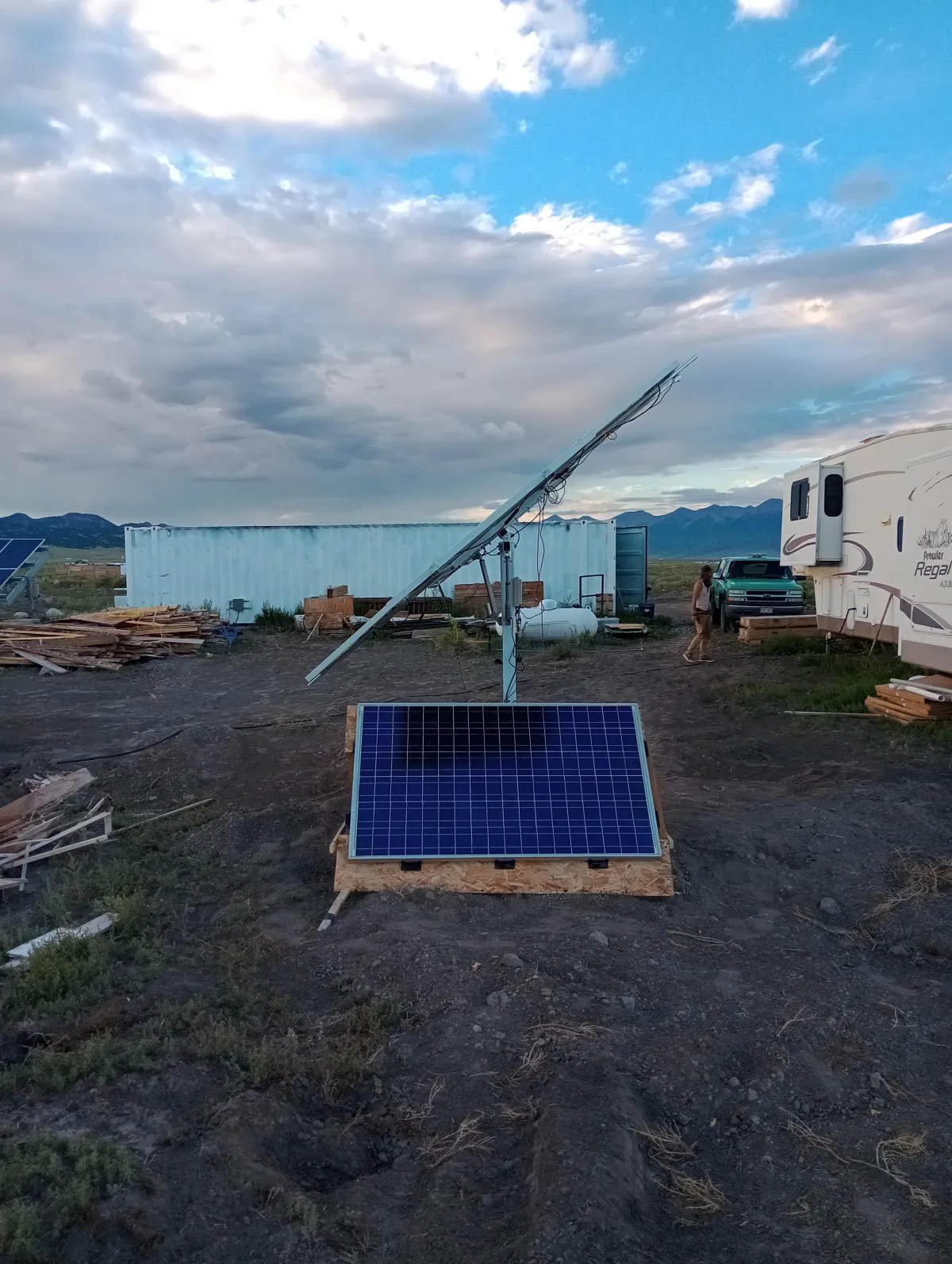
Hybrid systems that combine wind turbines and solar panels are particularly effective for off-grid living in surrounding areas. Wind energy often peaks at night or during winter storms, while solar energy is most productive during daylight hours. This complementary relationship provides a more consistent and stable power supply, reduces the strain on battery storage, and increases overall system reliability. Hybrid systems are therefore ideal for households seeking continuous, dependable energy generation.
What Components Make Up a Hybrid Off-Grid Power System in Surrounding Areas?
A hybrid off-grid power system consists of interconnected components that work together to deliver reliable electricity. An inverter and charger manage the conversion between AC and DC power and optimize battery charging, while deep-cycle batteries store energy for use when generation is low. Charge controllers regulate the flow of electricity from solar panels and wind turbines to prevent overcharging, and a monitoring system ensures peak performance and safeguards the equipment. Together, these components provide uninterrupted power and enhance the lifespan of the system.
How Can You Design a Reliable Hybrid System for Your Home or Vehicle in Surrounding Areas?
Designing a reliable hybrid system begins with analyzing the energy load requirements of the household or vehicle. Developers then carefully select complementary capacities for wind turbines and solar panels, along with appropriately sized battery banks. A well-designed system ensures consistent energy supply throughout the day and night and provides off-grid reliability for homes and cabins in surrounding areas. Detailed wiring schematics and control mechanisms complete the design, creating a turnkey solution for sustainable living.
What Are the Steps to Installing Off-Grid Wind Energy Systems in Surrounding Areas?
Installing an off-grid wind energy system involves a structured process. Developers start with a thorough site assessment and wind mapping, followed by obtaining permits and ensuring compliance with local regulations. The next steps include equipment procurement, system design, installation, commissioning, and finally, ongoing monitoring and maintenance. This systematic approach ensures smooth operations, reduces risks, and maximizes the long-term reliability of the energy system in surrounding areas.
Final Thoughts
Investing in wind energy projects in surrounding areas is a proactive step toward sustainable living, energy independence, and community resilience. Local wind energy developers provide the expertise, planning, and support needed to transform untapped wind potential into reliable, off-grid power for homes and neighborhoods. Whether through residential turbines, hybrid wind-solar systems, or community ownership models, these projects deliver economic savings, environmental benefits, and long-term energy security. By embracing these solutions, residents not only reduce utility costs but also contribute to a cleaner, more sustainable future for their communities.
What is a community wind energy project?
A community wind energy project is a locally organized initiative where residents collectively invest in and benefit from wind turbines. These projects generate clean electricity, reduce energy costs, create local jobs, and promote sustainability in surrounding areas.
How much does it cost to install a residential wind turbine in surrounding areas?
The cost typically ranges from $3,000 to $8,000 per kilowatt of capacity, plus expenses for site preparation, permits, and maintenance. Incentives, tax credits, and rebates can significantly reduce the net cost for homeowners.
Can hybrid wind and solar systems provide reliable off-grid power?
Yes. Hybrid systems combine the complementary energy generation of wind and solar to provide a consistent power supply. Wind often peaks at night or during storms, while solar works during daylight hours, reducing battery strain and increasing system reliability.
How can homeowners participate in community wind projects?
Homeowners can join cooperative ownership schemes, purchase partial shares in turbines, or subscribe to community power purchase agreements (PPAs) for predictable, fixed-rate electricity without large upfront costs.
Are there financial incentives for wind energy systems in surrounding areas?
Yes. Homeowners can take advantage of federal tax credits, state rebates, and utility-administered grants to lower upfront costs and accelerate the payback period of wind and hybrid energy systems.
Contact Us
Terms & Conditions
Privacy Policy