
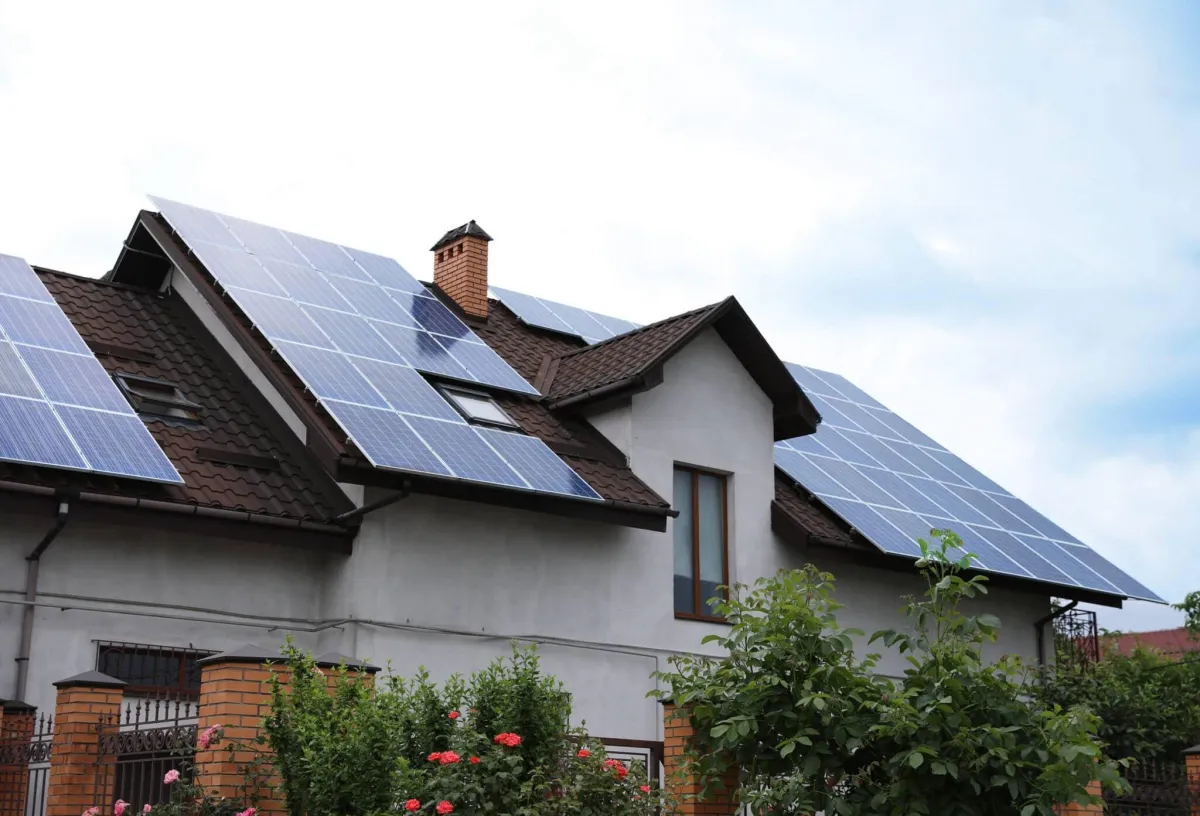
Wildlife-Friendly Solar Energy Solutions in Center, Colorado & Surrounding Areas
Are you exploring solar energy options in Center, Colorado, and nearby towns such as Moffat, Beattock, Thornhill, Lockerbie, Dumfries, and Leadhills? Solar power is a sustainable way to reduce energy bills, support clean energy, and enhance property value. However, it’s essential to consider its impact on local wildlife and implement eco-friendly strategies that protect native species.
How Does Solar Energy Affect Wildlife in Center, Colorado and Nearby Areas?
Solar energy systems can significantly reshape land, alter natural resources, and create new challenges for wildlife. Animals such as elk, wild horses, and migrating birds may experience habitat fragmentation and changes in their natural routes. Understanding these dynamics is critical to maintaining wildlife connectivity while deploying solar power in Center and the surrounding towns. Thoughtful planning allows renewable energy projects to coexist with natural habitats without displacing native species.
How Do Habitat Changes Impact Elk, Wild Horses, and Birds?
Large solar arrays can interrupt grazing areas, migration paths, and nesting grounds. For example, elk may face reduced access to food and challenges maintaining herd cohesion when migration routes are disrupted. Wild horses may experience changes in grazing patterns and have more limited access to water due to enclosed areas. Ground-nesting birds can lose vegetation for nesting, resulting in lower breeding success and abandoned nests. Careful project design is necessary to maintain access to essential resources and safe movement corridors for these animals across Center, Colorado, and nearby towns like Moffat and Beattock.
What Risks Do Solar Panels Pose to Birds in Center and Surrounding Areas?
Solar panels can produce reflective glare, which mimics water and can confuse migrating birds. Birds of prey may also be affected by concentrated solar flux. Reflections may lure water-dependent birds into dangerous areas, while smooth panel surfaces offer no safe perches, leading to collisions. Changes in flight patterns due to solar arrays can increase energy expenditure and reduce breeding success. These risks highlight the importance of anti-reflective coatings and careful panel angling to minimize hazards for birds and other wildlife in Center, Moffat, Lockerbie, and Dumfries.
How Do Solar Farms Affect Water Use and Soil Health in Dry Climates?
Solar farms in arid areas like Center, Colorado, require maintenance and occasional cleaning, which can increase water usage. Construction activities, including grading and trenching, disturb the soil, making it more prone to erosion and compaction. Compacted soil can reduce water absorption and hinder plant growth. To address these issues, solar projects can employ dry-cleaning methods, preserve natural ground cover, and limit heavy machinery use, ensuring soil health and conserving water in the region.
What Wildlife-Friendly Solutions Does Cosmic Journeys Promote in Center, Colorado?
Cosmic Journeys integrates wildlife protection into every solar project to ensure that renewable energy development coexists with thriving ecosystems. Selecting degraded lands or areas with lower agricultural value helps avoid disturbing sensitive habitats. By avoiding critical migration routes and minimizing impacts on rare or endangered species, Cosmic Journeys ensures that solar installations are sustainable. Choosing sites near existing infrastructure further reduces the disturbance of natural areas and simplifies permitting.
How Do Wildlife Corridors and Permeable Fencing Support Wildlife?
Specially designated wildlife corridors and permeable fencing help maintain natural animal movement through solar sites. Permeable fencing with gaps near the ground allows both small mammals and large ungulates to pass safely. Undeveloped buffer zones preserve essential migration routes, and elevated panels provide shade while maintaining connectivity on the ground. These design elements reduce habitat isolation and support the natural behaviors of elk, wild horses, and other local species across Center and surrounding areas.
How Are Pollinator Habitats and Native Plantings Integrated into Solar Projects?
Cosmic Journeys incorporates pollinator-friendly habitats by planting wildflowers and native grasses beneath solar panels. These plantings provide foraging opportunities for bees and butterflies, improve soil structure, and enhance water retention. The presence of pollinators benefits nearby agricultural lands and supports ecosystem health. Native plant species that thrive in Center, Colorado, and surrounding towns like Lockerbie and Dumfries are used to ensure long-term habitat resilience and biodiversity.
How Does Agrivoltaics Benefit Wildlife and Farming?
Agrivoltaics involves installing solar panels above crops or grazing areas, creating a mutually beneficial system. Livestock receive shade, which reduces heat stress and water needs, while land use is optimized for both energy and agricultural productivity. Habitats under panels are maintained, providing shelter and foraging areas for smaller wildlife. Studies show that pollinator populations can increase by 33 to 88 percent, water retention by 9 to 22 percent, and soil sediment loss can be reduced by up to 20 percent when agrivoltaic systems are applied. This approach demonstrates that solar energy can enhance biodiversity while supporting sustainable farming practices.
What Compliance and Monitoring Practices Ensure Wildlife Protection?
Environmental Impact Assessments (EIAs) guide solar development by identifying sensitive habitats and species in Center, Colorado, and nearby areas. These assessments involve field surveys, mapping critical habitats, and creating mitigation plans tailored to each site. Continuous monitoring after installation ensures that wildlife corridors, fencing, and plantings function as intended. Seasonal wildlife surveys, drone-based glare audits, and vegetation health evaluations allow adaptive management to respond to emerging issues and improve habitat quality over time.
Final Thoughts
Through careful site selection, wildlife corridors, pollinator gardens, and agrivoltaics, solar energy can coexist with and support local wildlife. Partnering with Cosmic Journeys allows landowners in Center, Colorado and surrounding areas to implement solar solutions that reduce carbon emissions, conserve habitats, and promote biodiversity, while also contributing to sustainable energy production.
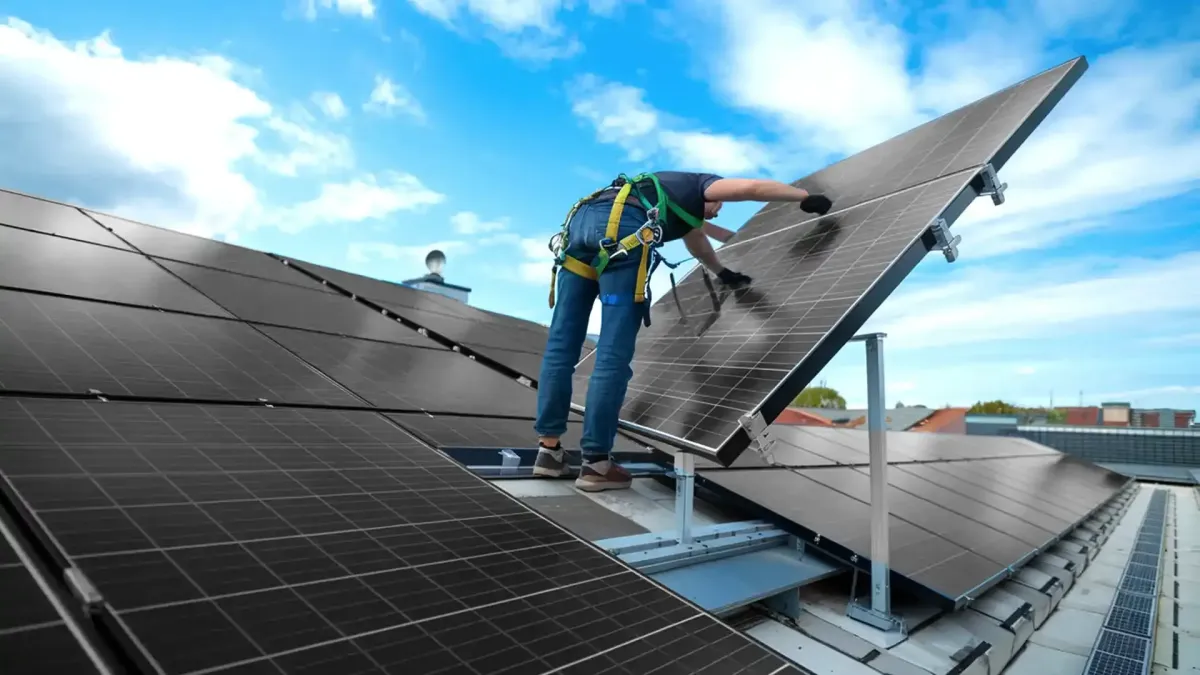
How does solar energy affect local wildlife in Center, Colorado?
Solar installations can alter habitats, disrupt migration routes, and affect grazing areas for elk, wild horses, and nesting sites for birds. Thoughtful site planning, wildlife corridors, and native plantings help minimize these impacts while supporting biodiversity.
Can solar farms harm birds in Center and surrounding towns?
Yes, reflective solar panels can confuse migrating birds and pose collision risks. However, anti-reflective coatings, proper panel angling, and careful site design reduce glare and protect birds while allowing solar energy development.
How do solar farms impact soil and water in dry climates like Center, Colorado?
Construction and maintenance can disturb soil and increase water use. Using dry-cleaning methods, preserving ground cover, and minimizing heavy machinery keeps soil healthy, prevents erosion, and conserves water resources.
What wildlife-friendly solutions does Cosmic Journeys use in solar projects?
Cosmic Journeys implements site selection strategies, wildlife corridors, permeable fencing, elevated panels, pollinator gardens, and agrivoltaics to ensure solar projects coexist with wildlife while enhancing biodiversity.
Can solar farms actually benefit biodiversity in Center, Colorado?
Absolutely. When designed with ecological enhancement in mind, solar farms can provide habitats for pollinators, support livestock, maintain ground cover, and improve ecosystem resilience, creating a net positive impact on local wildlife.
Contact Us
Terms & Conditions
Privacy Policy