
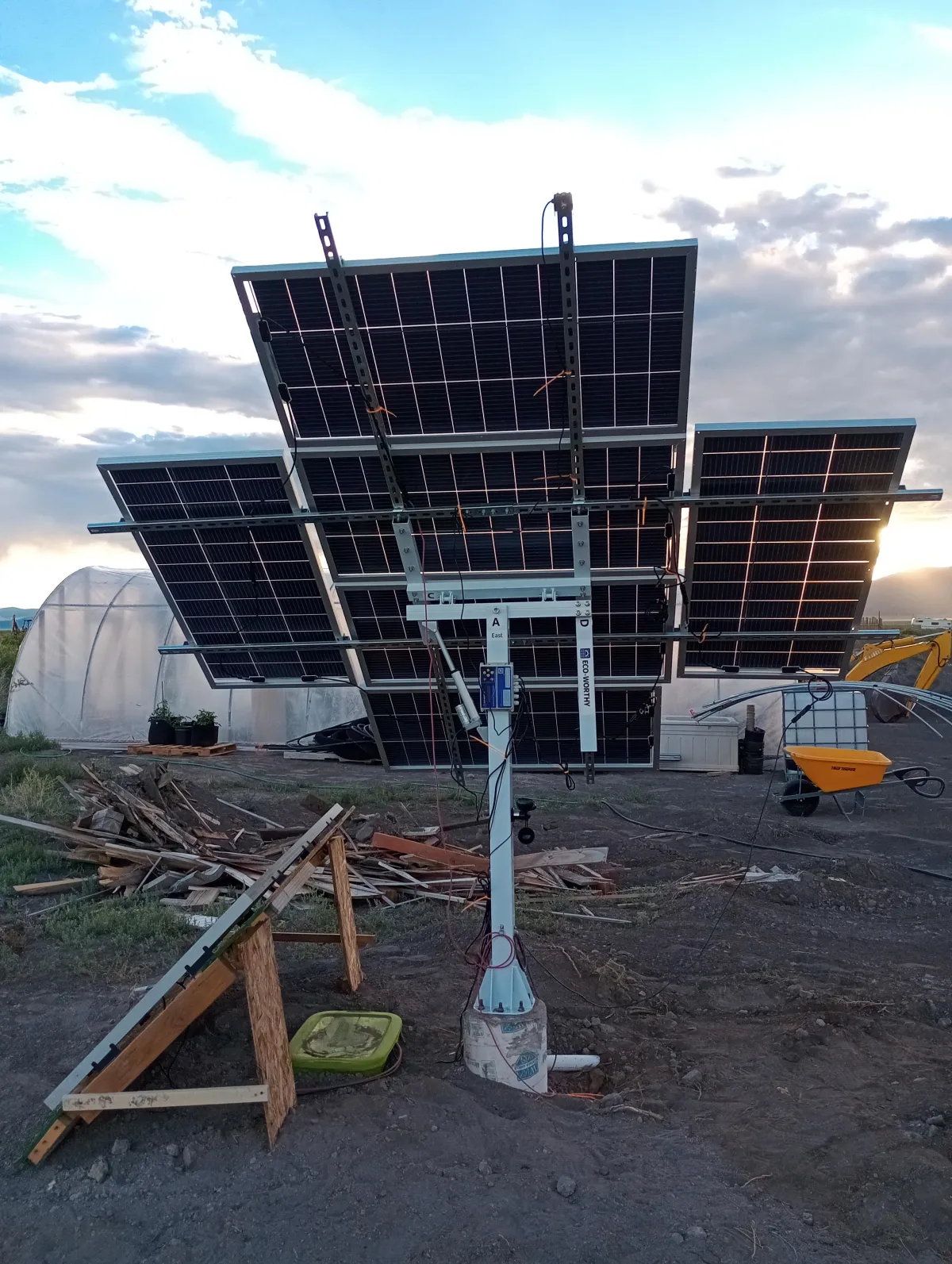
Federal Solar Tax Credits in Hooper, CO and Surrounding Areas
Discover how residents of Moffat, Hooper, Crestone, Saguache, Center, Alamosa, Monte Vista, Del Norte, Poncha Springs, Salida, La Jara, and surrounding areas can maximize their savings with the 2025 federal solar tax credit. Learn which solar and battery storage systems qualify, who is eligible, and how to claim the 30% Residential Clean Energy Credit to reduce your tax liability while achieving energy independence for homes, cabins, and vehicles.
What Is the Federal Solar Tax Credit and the Residential Clean Energy Credit?
The Residential Clean Energy Credit is a federal tax incentive designed to reduce your income tax by 30% of the cost of eligible clean energy property. This credit encourages the adoption of renewable solar energy, helping homeowners and vehicle owners in towns such as Salida, La Jara, and Crestone save on utility bills while achieving energy independence. Eligible property includes solar photovoltaic (PV) panels installed at homes or cabins in Alamosa, Center, or Monte Vista, qualified inverters and mounting hardware, battery energy storage systems (BESS) for off-grid setups in Poncha Springs and Del Norte, solar water heaters and small wind turbines integrated with solar systems, and geothermal heat pumps that are part of a home energy system.
What Qualifies for the Residential Clean Energy Credit for Solar Energy?
To qualify for the Residential Clean Energy Credit, a system must meet specific ownership, installation, and residence criteria. The system must be owned outright by the taxpayer, and all components must be newly installed rather than used or leased. Additionally, the solar or storage system must serve a primary or secondary U.S. residence, such as those located in Hooper, Moffat, or Saguache. Federal performance and safety standards must also be met to ensure the system is a legitimate and reliable investment in renewable energy.
How Does the 30% Federal Tax Credit Reduce Your Tax Liability?
The federal solar tax credit reduces your income tax liability directly, rather than just lowering taxable income, making it a powerful incentive for homeowners and off-grid property owners. For example, a $20,000 solar installation in Crestone could result in a $6,000 reduction in federal taxes owed, while a $15,000 battery storage system in Poncha Springs could lower your tax liability by $4,500. Combined projects, such as a $30,000 solar and storage installation in Salida, can decrease total taxes due by $9,000. These savings accelerate the return on investment for solar and battery systems, particularly for off-grid homeowners.
Which Solar Energy Systems Are Eligible, Including Off-Grid and Vehicle Installations?
Eligible solar systems across Moffat, Monte Vista, and La Jara include grid-connected rooftop or ground-mounted PV panels, standalone off-grid arrays for cabins or remote homes in Saguache or Crestone, and mobile solar installations on RVs, campers, and mobile homes used as residences in Hooper or Del Norte. Hybrid systems that combine solar modules with battery storage and certified inverters and controllers also qualify. These provisions ensure that both stationary and mobile renewable energy projects can take advantage of the federal tax credit.
Who Is Eligible for the Federal Solar Tax Credit in 2025?
Any individual who owns qualified clean energy property installed by December 31, 2025, and uses it at a U.S. residence is eligible for the credit. This includes off-grid homeowners near Alamosa or Poncha Springs as well as vehicle dwellers with RV or camper solar installations in Salida or La Jara. Eligibility ensures that a wide range of property types, from cabins and remote homes to mobile residences, can benefit from federal support for renewable energy.
What Are the Eligibility Requirements for Off-Grid Solar Systems?
Off-grid solar systems must meet several important requirements. The system must be fully owned by the individual, include newly installed components, and serve a primary or secondary U.S. residence located in towns such as Monte Vista, Crestone, or Saguache. Additionally, proper documentation must be maintained to verify that the system complies with federal performance and safety standards. Meeting these requirements ensures that off-grid projects can secure the full 30% tax credit.
Can Vehicle Owners Claim the Solar Tax Credit for RVs and Mobile Homes?
Yes, mobile solar installations on RVs, campers, and mobile homes can qualify for the federal tax credit if they are considered a residence for part of the year and are owned by the taxpayer. The solar modules must be permanently or semi-permanently attached to the vehicle, and all installation costs must be documented and incurred by December 31, 2025. These rules allow nomadic homeowners and seasonal residents in towns like Hooper or Del Norte to benefit from the same incentives as stationary property owners.
How Do System Ownership and New Installation Rules Affect Eligibility?
Ownership and new installation requirements are essential to protect the integrity of the federal tax credit. Leased or third-party-owned systems do not qualify, and equipment must be newly installed, not used or replaced. Systems completed by December 31, 2025, qualify for the full 30% credit, while later installations may receive reduced rates. These rules ensure that the credit incentivizes genuine investments in renewable energy rather than temporary or pre-owned systems.
How Do You Claim the Federal Solar Tax Credit Using IRS Form 5695?
To claim the Residential Clean Energy Credit, taxpayers must file IRS Form 5695 with their federal income tax return. On the form, total qualified solar and battery storage expenses are entered, multiplied by 30% to calculate the credit, and then transferred to Form 1040, Schedule 3, Line 5. It is essential to keep copies of Form 5695 along with all receipts and supporting documentation for the system’s purchase and installation. Proper completion of this process ensures that the tax credit effectively reduces federal tax liability.
How Do Tax Liability and Credit Carryforward Work?
If your federal tax liability is less than the amount of the credit, any unused portion can carry forward to the next tax year. The credit is first applied to offset the current year’s tax obligation, and any remaining balance automatically rolls over to the following year. This carryforward mechanism continues until the credit is fully used or five years have passed, allowing homeowners and off-grid property owners in towns like Salida, Crestone, or Monte Vista to maximize their savings over multiple tax years.
Final Thoughts
Maximizing the 2025 federal solar tax credit is a smart way for homeowners, off-grid cabin owners, and vehicle dwellers in Moffat, Hooper, Crestone, Saguache, Center, Alamosa, Monte Vista, Del Norte, Poncha Springs, Salida, La Jara, and surrounding areas to reduce their tax liability while investing in renewable energy. By installing eligible solar and battery storage systems before December 31, 2025, you can claim a 30% Residential Clean Energy Credit, enhance energy independence, and improve the long-term value of your property or mobile residence. Proper planning, documentation, and collaboration with qualified installers ensure that you maximize your savings, meet federal requirements, and enjoy reliable, sustainable power for years to come.

What types of solar systems qualify for the federal tax credit?
Eligible systems include grid-connected rooftop or ground-mounted solar panels, off-grid arrays for cabins or remote homes, and mobile installations on RVs, campers, or mobile homes. Hybrid systems with battery storage and certified inverters also qualify.
Can I claim the tax credit for battery storage installed with solar panels?
Yes. Battery energy storage systems (BESS) are eligible for the 30% Residential Clean Energy Credit when paired with a qualifying solar PV system, permanently installed, and documented by December 31, 2025.
Do I have to own my solar system to claim the credit?
Yes. Only systems that are fully owned by you, not leased or third-party-owned, qualify for the federal tax credit.
How do I claim the federal solar tax credit on my taxes?
You claim the credit by filing IRS Form 5695 with your federal tax return. Enter the total qualified costs, calculate 30% of that amount, and transfer the credit to Form 1040, Schedule 3, Line 5. Keep all receipts and documentation for reference.
What happens if my tax liability is less than the credit?
If the credit exceeds your current year tax liability, the unused portion can carry forward to future tax years for up to five years, allowing you to maximize the benefit over time.
Contact Us
Terms & Conditions
Privacy Policy