
3 Retention Strategies Beyond the Dollar Bill
“Just pay them more.” It can become a vicious cycle. You don’t want to eat the cost and interruptions of employee turnover, but you can’t just keep raising salaries and adding bonuses every time the branch creaks. That’s the road to bankruptcy.
Not every problem can be solved by throwing money at it—especially money you don’t have to spend. Here are three employee retention strategies, besides the dollar bill, that you can focus on to keep the team intact.
1. Focus on Culture
A job isn’t just a paycheck for an employee. It’s the people they spend a huge chunk of their day with. It’s the culmination of their effort, education, and talent. It’s a source of dignity and purpose in society.
No amount of money will counteract a workplace culture that pits employees against each other in a cutthroat zero-sum game. Nore will it make up for a culture where employees are treated like batteries, to be drained of all their worth and discarded.
Employees can make a big difference in employee retention by investing in a culture of cooperation, inclusiveness, and shared purpose. Employees that bond with their teammates, who understand their place as a valuable piece of the corporate puzzle, are more likely to stick around for the long haul.
2. Consider Work-Life Balance
For Millenials and Gen-Z employees especially, the size of the paycheck often matters less than the quality of their life. You can go a long way toward winning employee loyalty by focusing on what matters to them—their passions, joys, and long-term goals—as opposed to commodities that can be “bought” for the right price.
Consider offering flexible shifts, including the opportunity to work longer shifts with three-day weekends, and/or flexible hours. Consider perks like paid caregiver leave and volunteer time off, so employees have time to focus on their passions and loved ones. Provide resources for employees’ health and wellness.
Employees will commit to a lower-paying job if it affords them a more fulfilling lifestyle—at a much lower price tag than trying to tempt employees with higher pay.
3. Be Flexible
You can’t get something for anything. If you want more from your employees, ask yourself—what are you willing to give up?
Some employers take a “my way or the highway” approach to their businesses. This may feel empowering to the employer, but it doesn’t do a lot for employee morale.
Consider the opposite route. Within reason, try to keep an “open-door” policy. If an employee comes to you with an idea that would help them do their job more easily, or which will make them happier in their position, try to consider it. Even if it flies in the face of your first instincts of how to run a business, think about it hard.
Does the employee have a point? What do you have to lose if they turn out to be wrong? What do you have to gain if they turn out to be right? Sometimes, simply knowing that you heard them and gave it careful consideration is enough.
Of course, you can’t let your entire day get monopolized by half-baked employee ideas, but a step toward that kind of flexibility can work wonders in terms of employee retention, at no extra cost out-of-pocket.
More Blogs

COMPANY ANNOUNCEMENT: Pre-Intent Acquired by Home Care Pulse
Today marks a significant milestone in our journey. I am pleased to announce that Pre-Intent has been acquired by Home Care Pulse (HCP), a recognized leader in employee and customer satisfaction solutions for the long-term and post-acute care industry.

4 Ways to Make Your Caregiver Job Postings More Attractive to Applicants
Special Guest Blog Post by Connor Kunz, VP of Growth at Careswitch.

In-Office vs. Virtual Interviews: Pros & Cons
When it comes to recruitment, virtual interviews have their defenders. Other recruiters are ride-or-die for in-person interviews. Who is right?
3 Retention Strategies Beyond the Dollar Bill
Not every problem can be solved by throwing money at it—especially money you don’t have to spend. Here are three employee retention strategies, besides the dollar bill, that you can focus on to keep the team intact.

Does cold-calling job candidates still work?
In recruiting as much as sales, the cold call enjoys near-mythic status.
So it’s 2022 … does cold-calling job candidates still work?
5 Strategies To Hire Great Long-Term Caregivers — And Keep Them!
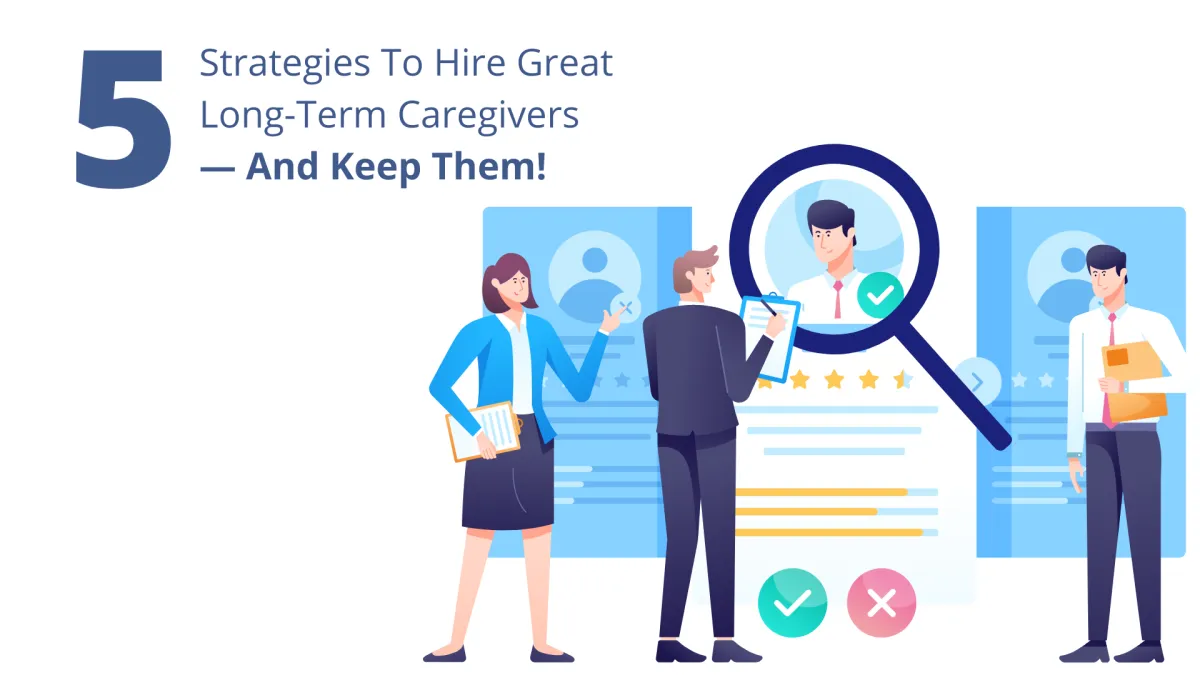
It’s no secret that turnover in the long-term care industry hovers at around 65%. That’s a lot of new hires that won’t make it through their first year of employment, leaving you with an overstretched staff and thousands of dollars in turnover expenses.

What should recruiters be spending their time on?
New recruiters often think that their time will be spent interviewing prospective candidates and showing new hires the ropes. Here's what you should actually be doing...

Employee Retention: 3 Key Strategies
Nearly one in four employees left their job in 2021. Read below for 3 key strategies to focus on to improve talent retention in 2022.
Ask Us Anything
Got questions? We've got answers. Ask away.

Pre·Intent is an automated engagement platform and mobile app designed for high-volume recruiters to automate the hiring process — to connect, qualify, schedule, and hire top candidates faster than humanly possible.
Navigation
Contact


Social


© 2023 PreIntent - All Rights Reserved.