Gut Health Tests

About Gut
Health
Your gut is home to over 4 trillion microbes, called the microbiota, that help keep you healthy. These microbes aid digestion, balance hormones, support immunity, and produce important chemicals for your brain. When the gut microbiome is out of balance, it can lead to digestive problems, autoimmune issues, and mental health challenges.
About Gut Health
Your gut is home to over 4 trillion microbes, called the microbiota, that help keep you healthy. These microbes aid digestion, balance hormones, support immunity, and produce important chemicals for your brain. When the gut microbiome is out of balance, it can lead to digestive problems, autoimmune issues, and mental health challenges.
What is a Gut Health Test?
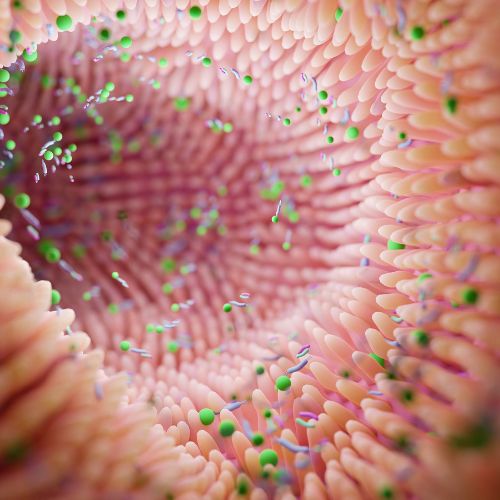
A gut health test is an easy at-home stool test that analyzes your microbiome. Using advanced qPCR technology, it gives a detailed report on:
Pathogens, viruses, parasites (e.g., H. pylori, E. coli, Epstein-Barr)
Good bacteria levels
Bacterial overgrowth or deficiency
Leaky gut (intestinal permeability)
Inflammation and immune responses
Gluten sensitivity
Digestive function
With these insights, you can take steps to improve your gut health and overall well-being.
What is a Gut Health Test?
A gut health test is an easy at-home stool test that analyzes your microbiome. Using advanced qPCR technology, it gives a detailed report on:
Pathogens, viruses, parasites (e.g., H. pylori, E. coli, Epstein-Barr)
Good bacteria levels
Bacterial overgrowth or deficiency
Leaky gut (intestinal permeability)
Inflammation and immune responses
Gluten sensitivity
Digestive function
With these insights, you can take steps to improve your gut health and overall well-being.
Who Can Benefit from a Gut Test?

GI Issues:
Bloating, gas, indigestion, heartburn
GERD, IBS, IBD (Crohn’s, Ulcerative colitis)
SIBO, SIFO, Leaky Gut
Gastroparesis, parasites

Hormonal Health:
Estrogen dominance, PCOS, menopause
Thyroid and cortisol imbalances

Skin Issues
Acne
Eczema
psoriasis

Other Health Concerns:
Autoimmune triggers, food sensitivities
Joint pain, mental health (anxiety, depression)
Weight management, diabetes, insulin resistance
Inflammation
Our Team & Personalized Care
At TNT Wellness, our team of functional health experts will analyze your gut test results and create a personalized care plan. You’ll get customized recommendations for diet, supplements, and lifestyle changes.
FAQs for Gut Tests:
What scientific evidence supports the use of gut testing?
Scientific research has increasingly highlighted the critical role of the gut microbiome in overall health. Studies have shown that a diverse and balanced gut microbiome is associated with better digestive health, improved immune function, and enhanced mental well-being. qPCR, the method used in our gut tests, is a gold-standard molecular analysis technique that provides precise and reliable data on the absolute numbers of microbes in your gut, allowing for a more accurate assessment than relative abundance measurements used in sequencing methods.
Are there concerns regarding the reliability of gut testing?
Some skeptics argue that gut testing lacks standardization and clinical relevance. However, advancements in molecular analysis techniques like qPCR have significantly improved the accuracy and reliability of these tests. While gut tests are not intended for medical diagnosis, they offer valuable insights that can guide personalized health interventions, complementing traditional medical approaches.
How do gut tests compare to endoscopy, colonoscopy, and biopsies when assessing gut health?
Endoscopy, colonoscopy, and biopsies are valuable diagnostic tools for identifying structural abnormalities and certain diseases in the gastrointestinal tract. However, they do not provide a comprehensive view of the gut microbiome. Gut tests, on the other hand, offer a detailed analysis of the microbial composition and functionality, providing insights into areas that endoscopy biopsies cannot reach. By combining gut testing with conventional diagnostic methods, you can achieve a more holistic understanding of your gut health.
How can gut testing complement traditional medical treatments?
Functional medicine practitioners recognize the importance of an integrated approach to health. Gut testing complements conventional medicine by offering additional insights that can inform more personalized and effective treatment plans. By understanding the intricate relationship between your gut microbiome and overall health, you can work with your healthcare provider to achieve optimal health outcomes.
How Our Practitioners Decide Which Test to Use
Our providers consider several factors when deciding between the two Gut Health Tests
Patient Symptoms: The nature and specificity of symptoms being experienced.
Clinical History: The patient’s clinical history and previous test results.
Health Goals: The patient’s health goals and the level of detail required for their care plan.
Budget Considerations: Cost considerations and the patient’s financial situation.
Diagnostic Needs: The complexity of the case and the necessity for a comprehensive versus targeted analysis.

How Our Practitioners Decide Which Test to Use
Our providers consider several factors when deciding between the two Gut Health Tests
Patient Symptoms: The nature and specificity of symptoms being experienced.
Clinical History: The patient’s clinical history and previous test results.
Health Goals: The patient’s health goals and the level of detail required for their care plan.
Budget Considerations: Cost considerations and the patient’s financial situation.
Diagnostic Needs: The complexity of the case and the necessity for a comprehensive versus targeted analysis.
Get Our 5 Easy Steps to Weight Loss
for Free!
Get Started With TNT-Wellness Today

Phone
O: (704)-549-9550
F: (704) 549-9570
Address
10400 Mallard Creek Rd #340, Charlotte, NC 28262

TNT Wellness has been a leader in functional health and nutrition for over 30 years, offering personalized and science-based solutions to address a wide range of health concerns. Our comprehensive services, including advanced hormone and gut health testing, bioidentical hormone replacement therapy, and customized wellness coaching, are designed to help you achieve and maintain optimal well-being.


Copyright TNT Wellness 2026