
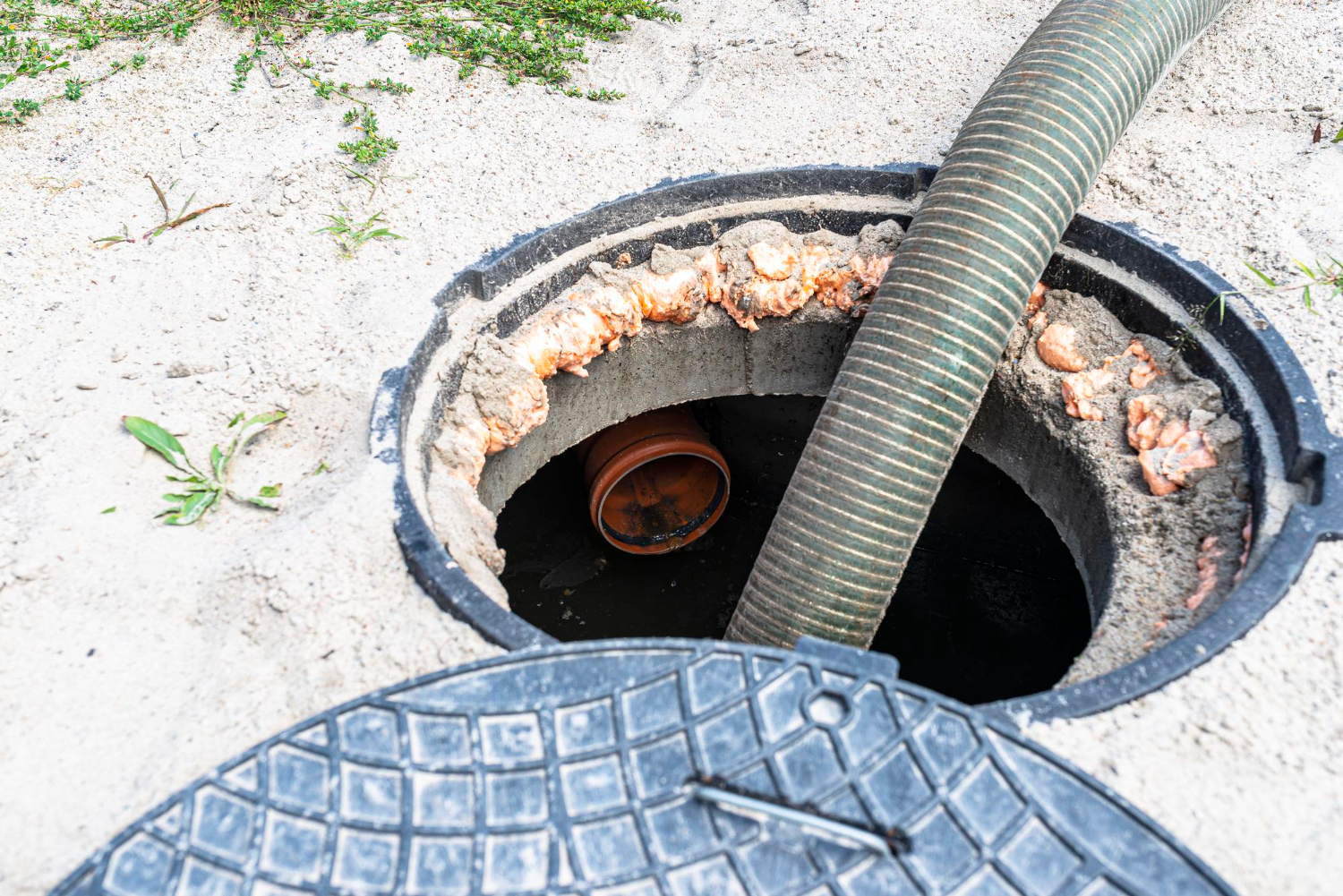
Sewage Cleanup Companies in Cherry Hills, CO & Surrounding Areas
Sewage cleanup companies in Cherry Hills, CO and surrounding areas provide fast and professional help when sewage backups, contaminated water, or overflow emergencies happen inside a home or business. Sewage problems are not only unpleasant, but they can also create serious health risks due to bacteria, viruses, and unsafe air quality. When sewage water enters floors, carpets, basements, or bathrooms, it can spread quickly and soak into building materials. Many homeowners do not realize how dangerous sewage contamination can be until odors grow stronger and damage becomes more visible. Quick cleanup is important because contaminated water can lead to mold growth, structural weakening, and long-term repair costs if it is not handled correctly. Professional cleanup teams use specialized equipment to remove contaminated water, sanitize affected areas, and help restore the property safely. In Cherry Hills, emergency response is especially important when sewage issues affect living spaces, kitchens, or areas with children and pets. With the right cleanup company, homeowners can stop the damage early, protect their health, and return their property to a clean and safe condition.
What makes sewage cleanup more dangerous than regular water cleanup?
Sewage contains harmful contaminants that can cause illness and unsafe indoor conditions. It can spread bacteria into carpets, drywall, and flooring quickly. Regular cleaning methods usually cannot remove contamination properly. Professional Sewage Cleanup is important for safe removal and sanitation.
How can homeowners tell if a sewage backup is happening?
Common signs include strong odors, slow drains, gurgling sounds in plumbing, and water backing up from toilets or floor drains. You may also notice wet spots near bathrooms or basements. These issues often worsen fast if ignored. Calling professionals early can prevent major damage.
Why is fast response important during a sewage emergency?
The longer contaminated water sits, the deeper it absorbs into materials like flooring and drywall. This increases cleanup time, raises repair costs, and can create serious health risks. Fast action helps reduce damage and contamination spread. Many homeowners request Water Removal immediately to stop further impact.
What areas of the home are most affected by sewage damage?
Basements, bathrooms, laundry rooms, and lower-level drains are common areas where sewage backups appear. Carpets and baseboards can absorb contamination quickly. Walls and insulation may also be affected if water spreads. Early cleanup prevents deeper structural damage.
How do professionals remove sewage safely without spreading contamination?
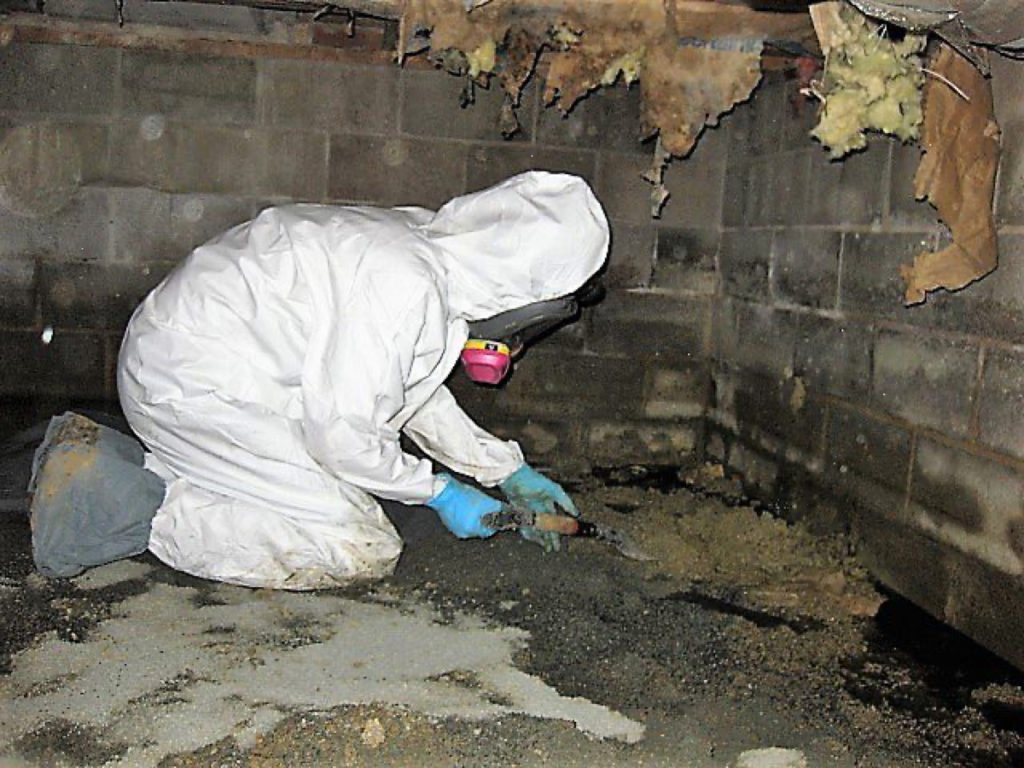
Professionals isolate the affected area, remove contaminated water, and dispose of damaged materials properly. They also sanitize surfaces using approved cleaning methods. This prevents contamination from spreading into clean areas of the home. Proper protective equipment is also used for safety.
Can sewage backups cause mold problems if not cleaned correctly?
Yes, sewage water creates moisture conditions that allow mold to grow quickly. Mold can spread into walls, flooring, and hidden spaces if drying is delayed. Even after odors fade, moisture may remain trapped inside materials. Many companies provide Water Damage Restoration to fully dry and restore affected areas.
What equipment is used during professional sewage cleanup?
Cleanup teams often use extraction machines, air movers, dehumidifiers, and sanitation tools to remove water and dry the space. Specialized disinfectants are used to eliminate bacteria and odors. Moisture detection tools help confirm the area is fully dry. Many companies rely on Water Extraction Experts to handle contamination properly.
What should homeowners do while waiting for a cleanup team to arrive?
Avoid contact with contaminated water and keep children and pets away from the area. If safe, shut off the water source and avoid using plumbing fixtures. Open windows for ventilation if odors are strong. Document visible damage with photos if needed for insurance.
How do cleanup companies help restore a home after sewage damage?
Restoration includes removing contaminated materials, drying the space, and rebuilding damaged areas if needed. The goal is to return the home to a safe and livable condition. Professionals also help prevent long-term odor and moisture problems. Many homeowners use Water Damage Restoration services to complete the recovery process.
How can homeowners reduce the chance of future sewage backups?
Regular drain maintenance, avoiding grease buildup, and addressing plumbing issues early can reduce backup risks. Homeowners should also watch for slow drains and repeated clogs. Preventive care helps avoid emergency damage and cleanup. Professional inspections can identify issues before they become severe.
Final Thought
Sewage cleanup companies in Cherry Hills, CO help homeowners respond quickly to dangerous backups and contaminated water emergencies. Fast cleanup protects health, prevents mold growth, and reduces long-term repair costs. Professional equipment and sanitation steps are essential for removing contamination safely and restoring indoor conditions. If you suspect sewage damage, taking immediate action can prevent the problem from spreading and help your home return to normal faster.
Is sewage cleanup covered by homeowners insurance?
Coverage depends on your policy and the cause of the backup. It is best to contact your provider for details.
How long does sewage cleanup usually take?
Most jobs take one to three days depending on the severity. Larger damage may require additional restoration time.
Can I stay in my home during sewage cleanup?
It depends on the affected area and contamination level. Some situations may require temporary relocation for safety.
Will sewage odors go away after cleanup?
Yes, professional sanitation and drying usually remove odors. If moisture remains, odors may return, so full drying is important.
What should I avoid doing during a sewage backup?
Avoid using toilets, sinks, or drains until the issue is resolved. Do not attempt cleanup without proper protection.
- Here's some stuff
- Here's some stuff