

Mold Inspection Requirements in Cherry Creek Colorado and Nearby Service Areas Explained
Mold inspection is an essential process for maintaining safe, healthy, and structurally sound properties in Cherry Creek and surrounding service areas. Environmental moisture, hidden leaks, and seasonal changes can contribute to mold growth without immediate visible signs. Understanding inspection requirements helps property owners take proactive steps to protect indoor air quality and building integrity. Professional mold inspections not only identify existing issues but also help prevent long-term damage and costly repairs through early detection.
Why is mold inspection necessary for residential and commercial properties?
Mold can grow in concealed areas such as walls, ceilings, and HVAC systems. Without inspection, it may spread unnoticed and compromise indoor air quality. Regular inspections help detect problems early before they escalate. This ensures a healthier environment and prevents structural deterioration.
When should a property undergo a mold inspection?
Mold inspections are recommended after water leaks, flooding, or plumbing failures. They are also useful before purchasing or leasing a property. Renovation projects can uncover hidden moisture issues as well. Periodic inspections help maintain long-term property safety.
Who should consider scheduling a mold inspection?
Homeowners, business owners, landlords, and property managers often benefit from inspections. Tenants may also request inspections for safety assurance. Real estate stakeholders rely on inspections during transactions. Professional evaluation supports informed decision-making.
What does a mold inspection typically include?
Inspectors assess moisture levels and potential water intrusion points. They evaluate ventilation and humidity conditions within the property. Air and surface sampling may be conducted when necessary. The inspection helps determine the presence and extent of mold growth.
Is mold inspection required during property transactions?
While not always mandatory, many buyers request inspections for peace of mind. It helps identify hidden environmental risks. Early detection prevents unexpected remediation costs. This step promotes transparency between parties.
How does moisture contribute to mold development?
Excess humidity and poor ventilation create favorable conditions for mold growth. Water damage from leaks or condensation accelerates contamination. Mold thrives in damp environments over time. Inspections help identify these moisture sources.
What tools are used by professional inspectors?
Moisture meters help detect damp materials behind surfaces. Thermal imaging identifies hidden water accumulation. Air sampling devices measure mold spores in the environment. These tools improve inspection accuracy.
Can mold damage property structure?
Yes, prolonged mold growth can weaken wood, drywall, and insulation. Structural materials may deteriorate over time. This increases repair costs and safety concerns. Early inspection reduces these risks.
How often should mold inspections be performed?
Properties with past water damage may require frequent inspections. Seasonal climate changes can also influence inspection needs. Routine evaluations support preventive maintenance. Consistent monitoring helps avoid major issues.
What happens if mold is detected?
A remediation plan is developed to remove contamination. Addressing the moisture source is essential to prevent recurrence. Professional cleanup restores indoor conditions. Follow-up inspections ensure successful treatment.
Final Thought
Understanding mold inspection requirements empowers property owners to maintain healthier and more durable buildings. Professional inspections identify hidden risks before they cause significant damage. With proactive monitoring and timely action, property safety and indoor air quality can be preserved for years to come.
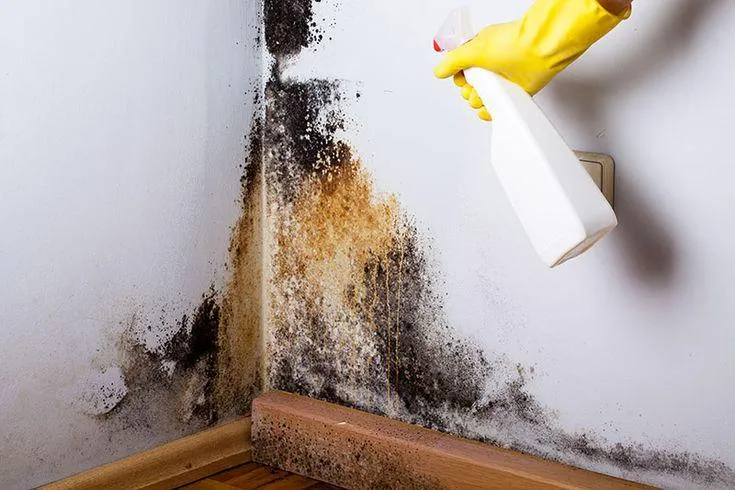
Is mold inspection necessary after small leaks?
Yes, even minor leaks can create conditions for mold growth.
Can mold exist without visible signs?
Yes, it often develops behind walls or under flooring.
Do inspections disrupt daily routines?
Most inspections are quick and minimally invasive.
Can mold affect indoor air quality?
Yes, mold spores can circulate through the air.
Is follow-up inspection important after remediation?
Yes, it confirms that the issue has been resolved.
- Here's some stuff
- Here's some stuff