
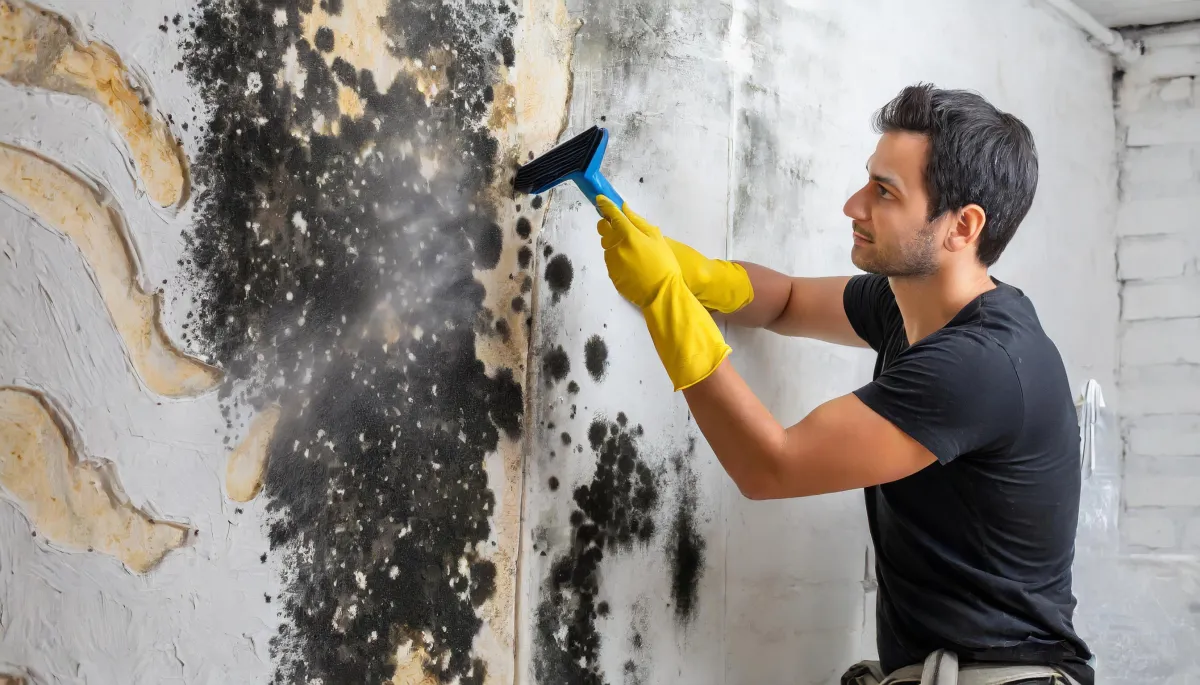
Understanding Black Mold Assessment for Homes in Aurora, CO and Nearby Service Areas
Black mold assessment is a crucial step in protecting both the health of occupants and the structural safety of residential properties. In homes where moisture buildup, leaks, or ventilation issues exist, mold growth can develop without obvious warning signs. A professional assessment helps identify hidden contamination and the conditions that allow it to spread. Understanding how black mold assessments work allows homeowners to take timely action and maintain a safe indoor living environment.
What is black mold and why is it a concern in homes?
Black mold is a type of fungal growth that develops in damp and poorly ventilated areas. It can spread quickly on surfaces like drywall, wood, and insulation. Over time, it may affect indoor air quality and damage structural materials. Identifying it early helps prevent serious long-term problems.
When should a black mold assessment be considered?
Assessments are recommended after water damage, persistent humidity, or plumbing leaks. Homes with musty odors or visible discoloration may also need evaluation. Recent flooding or roof leaks increase the likelihood of growth. Early assessment reduces the chance of widespread contamination.
Who should conduct a black mold assessment?
Certified professionals are trained to detect mold in hidden spaces. They understand how moisture contributes to mold growth. Professional inspectors use specialized tools for accurate detection. Their expertise ensures a thorough and reliable evaluation.
What areas of the home are typically inspected?
Assessments focus on basements, bathrooms, attics, and crawl spaces. Inspectors also check HVAC systems and areas affected by past leaks. Walls and flooring may be evaluated for hidden moisture. These areas often provide ideal conditions for mold growth.
What tools are used during an assessment?
Moisture meters help locate damp materials behind surfaces. Air sampling devices detect mold spores in indoor environments. Thermal imaging can reveal hidden moisture pockets. These tools improve the accuracy of the inspection.
Can black mold affect the structure of a home?
Yes, prolonged mold growth can weaken materials such as wood and drywall. Structural components may deteriorate over time. This can increase repair costs and compromise safety. Early assessment helps prevent severe damage.
How does climate influence mold growth risks?
Humidity and temperature changes create favorable conditions for mold. Moisture trapped indoors accelerates growth. Seasonal variations may increase hidden dampness. Regular assessments help manage these risks.
What happens after black mold is detected?
A remediation plan is typically developed to remove contamination. Addressing moisture sources is essential to prevent recurrence. Professional cleanup restores safe conditions. Follow-up checks confirm successful removal.
How often should mold assessments be conducted?
Homes with past moisture issues may require routine evaluations. Seasonal inspections are beneficial in humid conditions. Preventive assessments reduce long-term risks. Regular monitoring ensures ongoing protection.
Can black mold return after removal?
Yes, if moisture issues are not resolved, mold may reappear. Preventing water intrusion is key to long-term control. Proper ventilation also reduces risk. Maintenance helps maintain a mold-free environment.
Final Thought
Understanding black mold assessment helps homeowners protect both their property and indoor environment. Professional evaluations detect hidden problems early and guide effective remediation. With regular monitoring and timely action, homes can remain safe, structurally sound, and free from harmful mold growth.
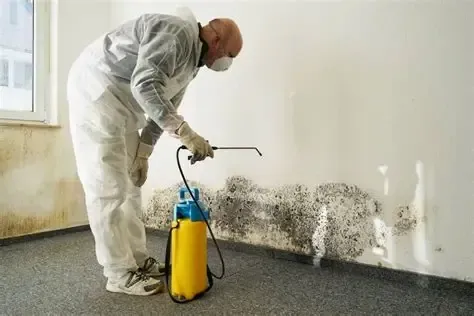
Is black mold always visible?
No, it often develops in hidden areas.
Can mold grow after minor leaks?
Yes, even small leaks can create ideal conditions.
Does assessment require invasive testing?
Most inspections are non-invasive.
Can mold impact indoor comfort?
Yes, it may affect air quality and living conditions.
Is follow-up assessment necessary?
Yes, it ensures mold has been properly removed.
- Here's some stuff
- Here's some stuff