
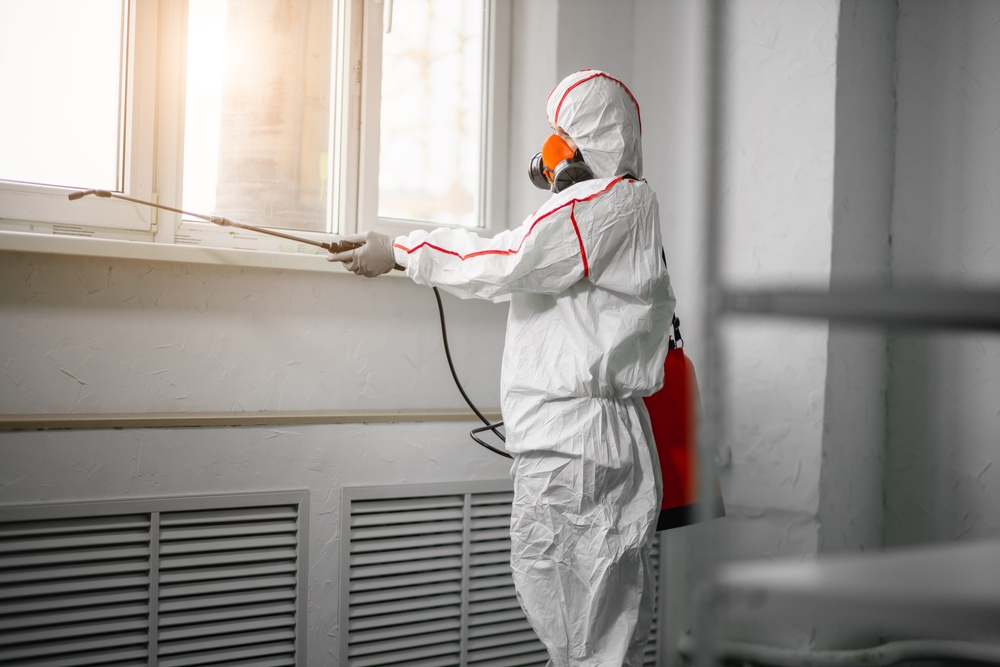
Mold Removal Effects on Health in Aurora and Nearby Service Areas Explained
Mold growth inside homes and businesses can seriously impact indoor air quality and overall health. In Aurora, as well as nearby communities like Denver, Centennial, Parker, and Greenwood Village, fluctuating temperatures and moisture issues often contribute to hidden mold problems. Understanding the health effects of mold and the importance of professional removal helps homeowners protect their families. Proper mold remediation not only restores property safety but also significantly improves respiratory health and daily comfort.
How does mold exposure affect your health in Aurora?
Mold exposure can cause a variety of health issues, especially in homes with high humidity or water damage. Residents in Aurora may experience symptoms such as coughing, sneezing, skin irritation, and watery eyes. Prolonged exposure can worsen asthma and trigger chronic respiratory problems. Children, elderly individuals, and those with weakened immune systems are particularly vulnerable. Addressing mold early reduces the risk of long term health complications and improves overall indoor air quality.
Why is mold common in Aurora homes and nearby Denver areas?
Aurora and nearby Denver experience seasonal moisture changes, snow accumulation, and occasional heavy rainfall. These conditions can lead to water intrusion in basements, attics, and crawl spaces. Poor ventilation and plumbing leaks also create ideal environments for mold growth. Homes in Centennial and Parker may face similar issues due to fluctuating humidity levels. Without proper drying and remediation, mold can spread quickly behind walls and under flooring.
What are the respiratory effects of mold exposure?
Mold spores in the air can irritate the respiratory system when inhaled. Individuals may develop persistent coughing, throat irritation, and nasal congestion. For asthma sufferers in Aurora, mold can trigger severe asthma attacks and breathing difficulties. Long term exposure may even contribute to chronic sinus infections. Professional mold removal significantly reduces airborne spores and helps restore clean, breathable indoor air.
Can mold worsen allergies and asthma symptoms?
Yes, mold is a common allergen that can intensify allergy and asthma symptoms. Residents in Greenwood Village and surrounding communities often report increased sneezing and sinus pressure when mold is present. Mold spores act as irritants that inflame airways and nasal passages. Removing mold from the property reduces allergic reactions and creates a healthier living space. Early detection plays a major role in preventing recurring symptoms.
How does mold impact children and elderly residents?
Children and older adults are more sensitive to mold exposure because of weaker or developing immune systems. In Aurora homes, mold can lead to frequent colds, fatigue, and breathing discomfort among vulnerable family members. Long term exposure may also impact concentration and sleep quality. Prompt remediation ensures a safer environment and protects the health of all household members. Professional assessment is especially important when symptoms persist.
What signs indicate mold is affecting your health?
Common signs include persistent coughing, headaches, itchy eyes, and unexplained fatigue. If symptoms improve when leaving the home but return upon reentry, mold may be present. Musty odors and visible discoloration on walls or ceilings are strong indicators. Residents in Parker and Centennial should not ignore recurring respiratory issues. Identifying the source early helps prevent further health complications.
How does professional mold removal improve indoor air quality?
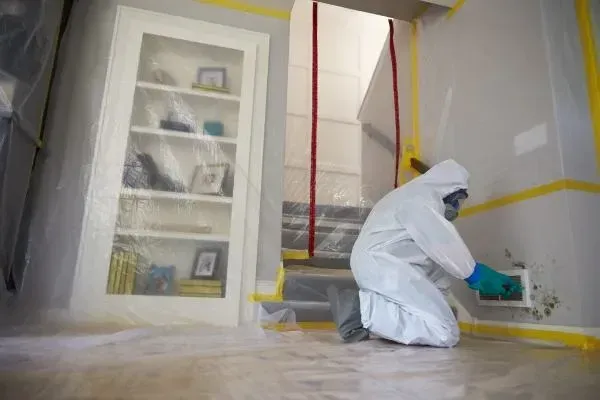
Professional mold remediation involves identifying the source, containing the area, and thoroughly removing contaminated materials. Experts use specialized equipment to filter airborne spores and dry affected areas. In Aurora properties, this process restores safe air quality and prevents future growth. Proper cleaning and moisture control are essential steps in protecting long term health. The result is a cleaner and healthier indoor environment.
Is black mold more dangerous to health?
Certain types of black mold can produce mycotoxins that may pose additional health risks. While not all black colored mold is toxic, professional testing is recommended to determine the type. Exposure can lead to more severe respiratory symptoms and prolonged illness. Aurora homeowners should avoid attempting large scale removal without proper safety measures. Professional remediation ensures safe handling and complete elimination.
How quickly should mold be removed after detection?
Mold should be addressed immediately once discovered to prevent spreading. Within 24 to 48 hours of moisture exposure, mold can begin growing. Delaying removal increases health risks and property damage. In Aurora and nearby Denver neighborhoods, quick action protects both structural integrity and family well being. Early intervention reduces remediation costs and long term medical concerns.
Can mold return after removal?
Mold can return if the underlying moisture problem is not resolved. Effective remediation in Aurora includes fixing leaks, improving ventilation, and controlling humidity levels. Routine inspections help ensure mold does not reappear. Homeowners in Centennial and Greenwood Village should consider periodic moisture checks. Preventive maintenance plays a key role in maintaining a healthy home environment.
Final Thoughts
Mold growth is more than a cosmetic issue; it directly impacts health, comfort, and property value. In Aurora and surrounding areas like Denver, Parker, Centennial, and Greenwood Village, moisture conditions can easily lead to hidden mold problems. Understanding the health effects of mold exposure highlights the importance of professional remediation. From reducing allergy symptoms to preventing serious respiratory complications, proper mold removal significantly improves indoor living conditions. Acting quickly, addressing moisture sources, and scheduling expert inspections ensure long term protection for your family and home.
How long does mold removal take in Aurora?
Most residential mold remediation projects take one to three days depending on severity.
Is mold removal covered by insurance?
Coverage depends on the cause of mold and your specific insurance policy terms.
Can I stay in my home during mold removal?
For minor cases yes, but severe contamination may require temporary relocation.
Does mold always have a strong smell?
Not always, but a persistent musty odor is a common warning sign.
Does mold always have a strong smell?
Control moisture, repair leaks promptly, and maintain proper ventilation year round.
- Here's some stuff
- Here's some stuff