
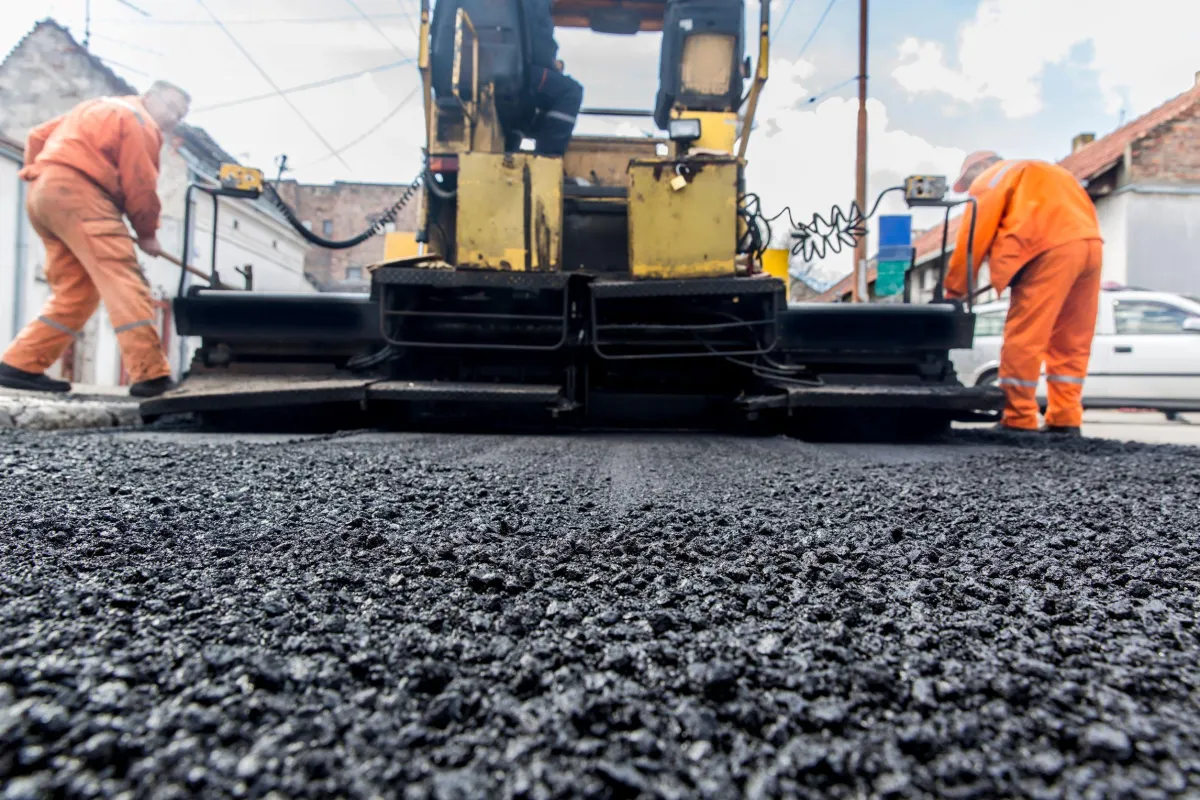
Commercial Asphalt Paving Services in Brooklyn, NY & Surrounding Areas
Commercial asphalt paving services in Brooklyn, NY and surrounding areas help business owners maintain safe, durable, and professional-looking parking lots, drive lanes, loading zones, and access roads. High-traffic commercial surfaces experience constant wear from delivery trucks, customer vehicles, weather changes, and daily foot traffic. In Brooklyn, pavement must also handle heavy use, tight space conditions, and frequent stop-and-go traffic that can accelerate cracking and surface breakdown. Professional paving supports proper drainage, smooth driving surfaces, and long-term performance for commercial properties. Well-installed asphalt improves curb appeal while reducing safety hazards such as potholes and uneven areas. Many businesses invest in paving to avoid costly liability risks and prevent vehicle damage. Reliable contractors focus on strong base preparation, correct thickness, and clean finishing for lasting results. Choosing commercial asphalt paving ensures better access, improved appearance, and long-term value for business properties.
Why do commercial properties invest in paving upgrades?
Paving upgrades improve safety, traffic flow, and the overall appearance of a business location. Smooth surfaces reduce vehicle wear and help prevent trip hazards for customers. Well-maintained pavement also supports better drainage and fewer repairs over time. Many businesses include Construction Services to ensure full site improvement planning.
How does pavement condition affect customer and employee safety?
Cracks, potholes, and uneven areas can create slip and trip hazards. Damaged pavement also increases the risk of vehicle damage and accidents. Fixing surface issues improves access and reduces liability concerns. A safer property supports better business operations.
What causes asphalt surfaces to crack and deteriorate in busy areas?
Heavy traffic, water intrusion, and temperature changes weaken pavement over time. Stop-and-go vehicle movement increases stress on surface layers. Poor drainage can accelerate cracking and pothole formation. Proper installation reduces long-term damage risks.
How does base preparation impact long-term paving performance?
A strong base supports the asphalt and prevents shifting or sinking. Poor base preparation leads to uneven surfaces and early cracking. Proper compaction improves durability and stability. Reliable work begins with strong groundwork.
Can commercial paving improve drainage and reduce standing water?
Yes, professional paving includes grading that directs water away from traffic areas. Proper drainage prevents pooling that weakens asphalt and creates hazards. Better water control reduces cracking and surface erosion. Many sites also coordinate Concrete Services for curbs and drainage support.
Why is asphalt thickness important for commercial paving projects?
Commercial areas require thicker asphalt to handle heavier vehicle loads. Thin surfaces wear out faster and crack under pressure. Proper thickness improves durability and lifespan. This helps businesses avoid frequent repairs.
How do contractors manage paving projects with minimal disruption?
Professional crews plan scheduling to reduce downtime for businesses. Work is often completed in phases to keep access available. Clear communication helps maintain safe traffic flow during the project. Efficient planning supports smoother operations.
What commercial areas benefit most from asphalt paving services?
Parking lots, drive lanes, loading docks, and access roads benefit from smooth paving. High-use zones need durable surfaces that support constant traffic. Proper paving improves functionality and appearance. Many businesses include Asphalt Services for complete pavement solutions.
Can paving be combined with other structural improvements?
Yes, paving is often paired with sidewalk work, drainage upgrades, and surface repairs. Coordinating projects improves overall efficiency and site consistency. It also reduces repeated equipment mobilization costs. Some properties combine paving with Foundations Services for broader site stability.
Why should commercial paving be handled by experienced professionals?
Professionals ensure proper grading, compaction, and finishing for long-term performance. Skilled crews reduce errors that lead to premature cracking or drainage failure. Reliable contractors deliver clean, durable results. Some sites also coordinate Stucco Services for exterior upgrades that match new pavement improvements.
Final Thought
Commercial asphalt paving services in Brooklyn, NY help businesses maintain safe, durable, and professional surfaces that support daily traffic and long-term performance. Proper base preparation, correct thickness, and reliable drainage planning reduce cracking and costly repairs. Investing in professional paving improves curb appeal, accessibility, and safety for customers and employees. With expert installation and maintenance, commercial properties can protect their pavement investment for years.
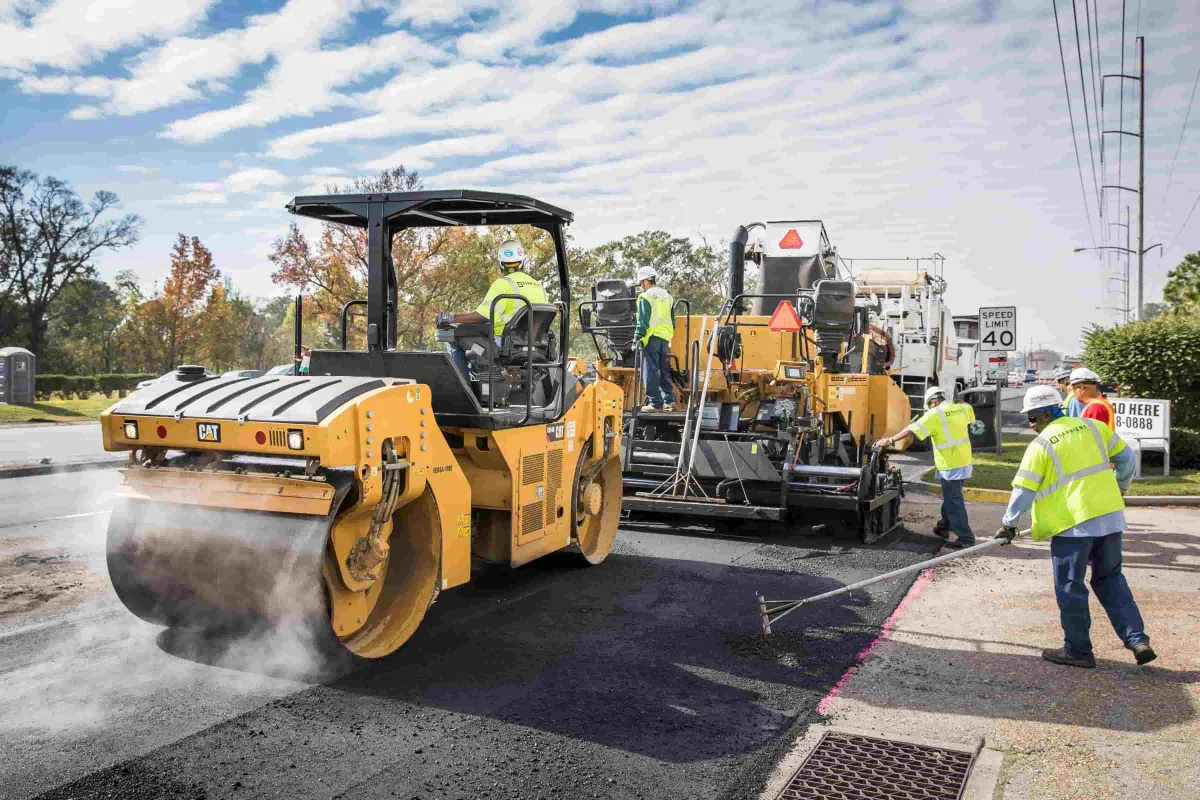
How long does commercial asphalt paving take?
Most projects take a few days depending on size and complexity. Larger sites may require phased scheduling.
How often should commercial asphalt be maintained?
Regular inspections and sealcoating help extend pavement life. Maintenance schedules depend on traffic volume.
Can paving be done while the business stays open?
Yes, many projects are completed in phases to keep access available. Contractors plan around business operations.
What is the best way to prevent potholes?
Proper drainage and early crack repair reduce pothole risk. Routine maintenance helps prevent major damage.
Does new asphalt improve property value?
Yes, smooth pavement improves appearance and safety. It can increase overall commercial property appeal.