Essential Safety Tips for DIY Retaining Walls in Brooklyn, NY & Surrounding Areas
Building a DIY retaining wall can improve drainage, prevent soil erosion, and enhance curb appeal for properties across Brooklyn, New York, and nearby areas like Queens, Staten Island, Manhattan, and Long Island. However, without proper safety measures, retaining wall projects in neighborhoods such as Williamsburg, Brooklyn Heights, Park Slope, Bushwick, Bay Ridge, and Flatbush can quickly become costly and dangerous. Understanding safety best practices is critical before starting any DIY retaining wall project.
Why Is Safety Important When Building a DIY Retaining Wall?
Retaining walls handle heavy soil pressure and water load. Improper construction can lead to wall failure, soil collapse, property damage, or personal injury. In densely populated Brooklyn areas like Downtown Brooklyn and Crown Heights, safety is especially important due to limited space and nearby structures.
What Type of Retaining Wall Is Safest for DIY Projects?
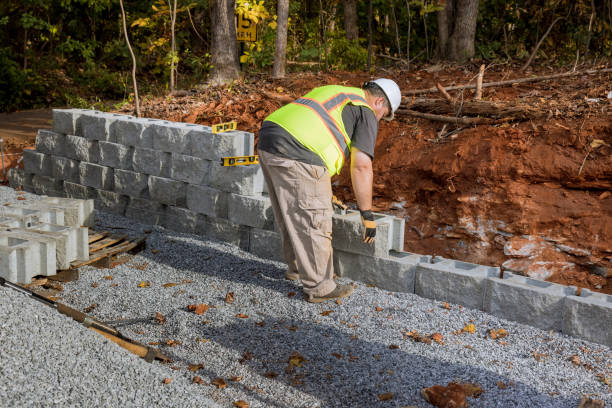
For DIY builders in Bedford-Stuyvesant, Sunset Park, and Greenpoint, small gravity retaining walls made of concrete blocks or stone are typically safest. These walls rely on their weight rather than complex reinforcement systems, making them easier and safer for homeowners to construct.
How Do You Check Soil Conditions Before Building?
Soil type plays a major role in retaining wall safety. Clay-heavy soil, common in parts of East New York and Canarsie, retains water and increases pressure on walls. Always dig test holes, check drainage, and compact the soil properly before beginning construction.
Why Is Proper Drainage Critical for Retaining Wall Safety?
Poor drainage is the leading cause of retaining wall failure. Installing gravel backfill, perforated drain pipes, and weep holes helps redirect water away from the wall. This is especially important in flood-prone areas near Red Hook, DUMBO, and waterfront sections of Brooklyn.
How Deep Should the Foundation Be for a DIY Retaining Wall?
A safe retaining wall foundation should be buried at least 10–20% of the wall’s height below ground. In colder surrounding areas like Queens and Staten Island, deeper footings help prevent shifting caused by freeze-thaw cycles.
What Safety Gear Should You Use During Construction?
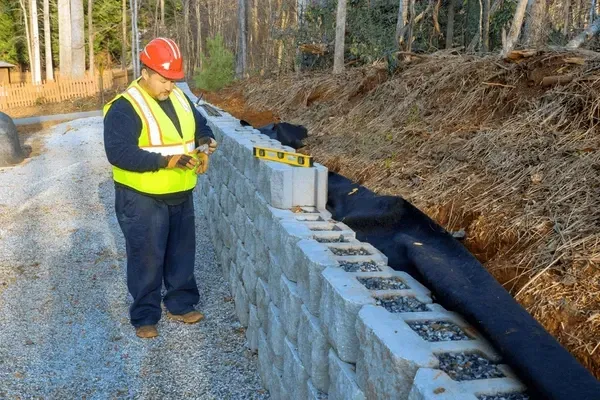
DIY retaining wall projects require protective gear such as gloves, steel-toe boots, eye protection, and back support. In busy residential zones like Fort Greene and Carroll Gardens, safety gear reduces the risk of injury while handling heavy materials.
How Can You Prevent Wall Collapse During Construction?
Never stack materials too high at once. Build the wall in layers, compacting soil after each course. Temporary bracing can help maintain stability during construction, especially on sloped properties in Prospect Heights and Kensington.
When Should You Avoid a DIY Retaining Wall Project?
If the wall exceeds 4 feet in height, supports a driveway, or sits near a structure, professional help is strongly recommended. Local building codes in Brooklyn and surrounding New York areas may also require permits for taller retaining walls.
Do You Need Permits for DIY Retaining Walls in Brooklyn?
Many areas of Brooklyn, NY, including Park Slope, Brooklyn Heights, and Downtown Brooklyn, require permits for retaining walls over a certain height or those affecting drainage. Always check local building codes and zoning regulations to avoid fines, project delays, or forced removal.
How Can You Protect Nearby Structures During Construction?
In tightly packed neighborhoods like Williamsburg, Bushwick, and Crown Heights, retaining wall construction can impact nearby homes, sidewalks, and utilities. Mark underground lines, maintain safe excavation distances, and use barriers or temporary supports to prevent accidental damage during your DIY project.
Final Thoughts:
DIY retaining walls can be a rewarding project for homeowners across Brooklyn, NY, and nearby areas like Queens, Manhattan, Staten Island, and Long Island. By prioritizing safety, understanding soil conditions, installing proper drainage, and respecting local building guidelines, you can reduce risks and ensure long-lasting results. When in doubt, consulting a professional can save time, money, and prevent serious structural issues.
How high can a DIY retaining wall be built safely in Brooklyn?
Most DIY retaining walls should not exceed 3–4 feet in height. Walls taller than this often require engineering plans and permits in Brooklyn, NY, and surrounding areas.
What is the safest material for DIY retaining walls?
Concrete retaining wall blocks are the safest and most popular choice for homeowners in Park Slope, Bay Ridge, and Flatbush due to their durability, uniform size, and ease of installation.
How long does a properly built DIY retaining wall last?
With proper drainage, foundation depth, and compaction, a DIY retaining wall can last 20–30 years, even in high-moisture areas like Red Hook and waterfront Brooklyn.
Can poor drainage cause a retaining wall to fail?
Yes. Water buildup behind the wall creates pressure that leads to cracking, leaning, or collapse. Proper drainage is essential across Brooklyn and nearby areas like Queens and Staten Island.
When should you hire a professional instead of going DIY?
If the wall is over 4 feet tall, supports a structure, or is close to neighboring properties—as common in Williamsburg and Downtown Brooklyn—hiring a professional is the safest option.