
Asphalt Repair Services in Staten Island, NY & Surrounding Areas
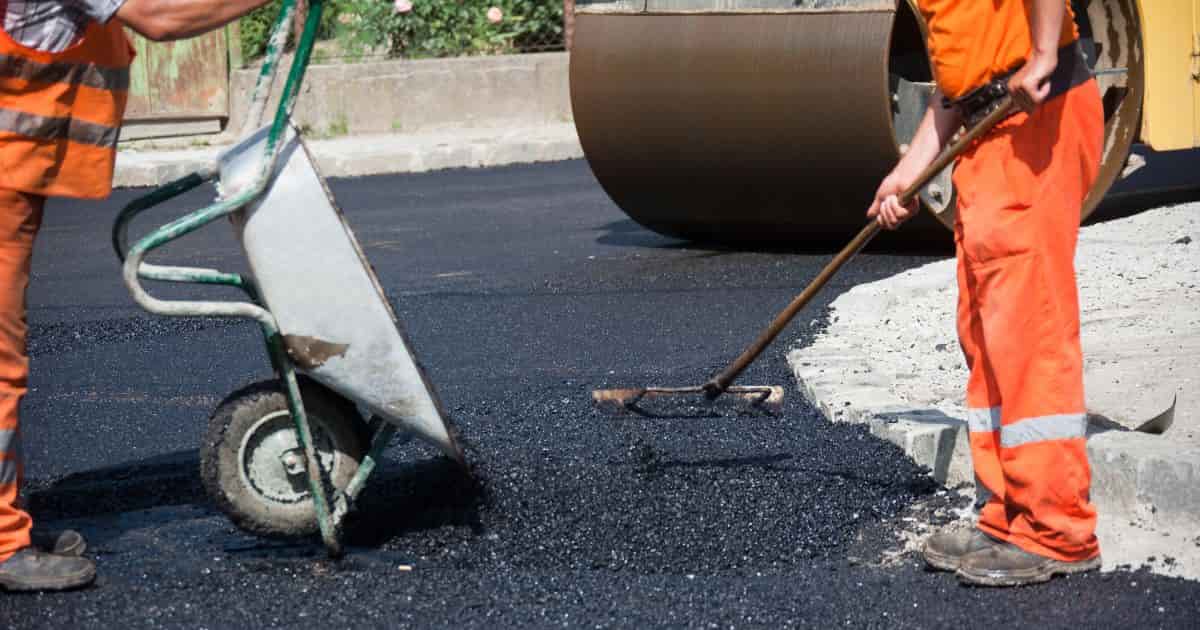
Asphalt repair services in Staten Island, NY and surrounding areas are essential for keeping parking lots, driveways, access roads, and commercial surfaces safe, smooth, and long-lasting. Over time, asphalt can crack, sink, or develop potholes due to heavy traffic, weather changes, and water intrusion beneath the surface. In Staten Island, frequent seasonal shifts, rain exposure, and daily vehicle use can accelerate pavement wear if repairs are delayed. Professional asphalt repair helps restore surface strength, improve drainage, and prevent small issues from turning into major structural failures. Timely repairs also reduce safety hazards and improve the appearance of residential and commercial properties. Many property owners schedule repairs to protect vehicles, prevent liability risks, and maintain professional curb appeal. Reliable repair work includes proper preparation, strong patching materials, and smooth finishing for long-term performance. Investing in professional asphalt repair supports durability, safer access, and better property value over time.
What are the most common signs that asphalt needs repair?
Common signs include visible cracks, potholes, uneven areas, and water pooling after rain. These issues often indicate that the surface or base layer is weakening. Early repairs prevent damage from spreading across the pavement. Many property owners rely on Asphalt Services to restore smooth and safe surfaces.
How do cracks turn into potholes if they are ignored?
Cracks allow water to enter the asphalt and weaken the base underneath. As vehicles drive over the weakened areas, the surface begins to break apart. Over time, small cracks expand into larger holes. Quick repairs help prevent costly damage.
Why does water drainage matter for asphalt repair success?
Poor drainage causes standing water that accelerates asphalt breakdown. Water infiltration weakens the foundation and increases cracking risk. Repair work often includes correcting slopes or improving runoff flow. Strong drainage planning supports longer-lasting results.
What repair methods are commonly used for damaged asphalt surfaces?
Repair methods may include crack filling, patching, resurfacing, or sealcoating depending on the damage level. Small issues are often corrected with targeted repairs, while larger areas may need surface replacement. Professional evaluation ensures the right approach is used. Reliable repair protects long-term pavement performance.
How can asphalt repairs improve safety for vehicles and pedestrians?
Smooth surfaces reduce trip hazards and improve vehicle control in parking lots and drive lanes. Fixing potholes helps prevent tire damage and suspension issues. Clear and stable pavement improves traffic flow and access. Many sites coordinate Construction Services to enhance overall property safety.
Can asphalt repair help improve curb appeal for commercial properties?
Yes, repaired asphalt gives properties a cleaner and more professional appearance. Customers and tenants often notice well-maintained surfaces first. A smooth lot also improves trust and usability. Professional repairs enhance both function and appearance.
What causes asphalt surfaces to sink or become uneven?
Sinking often happens when the base layer becomes weak or washed out by water. Heavy vehicles can also compress unstable areas over time. Uneven surfaces may indicate foundation issues beneath the pavement. Some sites coordinate repairs with Foundations Services to improve long-term stability.
How often should asphalt surfaces be inspected for damage?
Most asphalt surfaces should be inspected at least once a year. High-traffic areas may need more frequent evaluations. Regular inspections help identify cracks and drainage issues early. Preventive maintenance reduces repair costs.
Can asphalt repair be combined with concrete or curb work?
Yes, many properties repair asphalt alongside sidewalks, curbs, or drainage structures. Coordinating projects improves efficiency and creates a consistent finished look. This also reduces repeated labor and equipment scheduling. Some projects include Concrete Services to support stronger edge control.
Why should asphalt repairs be handled by professionals instead of DIY patching?
Professional repairs ensure proper compaction, bonding, and surface leveling. DIY patching often fails quickly due to poor preparation or weak materials. Experienced crews prevent recurring issues and deliver smoother results. Some properties also include Stucco Services for exterior upgrades that match pavement improvements.
Final Thought
Asphalt repair services in Staten Island, NY help property owners maintain safer surfaces, prevent costly damage, and improve long-term pavement durability. Early repairs protect the foundation beneath the asphalt and reduce the risk of potholes and structural failure. Professional repair methods improve drainage, appearance, and overall performance for both residential and commercial properties. Investing in timely asphalt repairs ensures smoother access, stronger surfaces, and better property value over time.
How long do asphalt repairs usually last?
Repair lifespan depends on traffic levels and repair quality. Professional repairs typically last much longer than temporary patching.
Can asphalt repairs be done in cold weather?
Some repairs can be done in cooler conditions, but extreme cold may affect materials. Professionals choose the best timing for durability.
Do asphalt repairs require the area to be closed?
Some repairs require short closures for safety and curing. Many contractors schedule work to reduce disruption.
What is the best way to prevent asphalt cracks?
Sealcoating and regular maintenance reduce cracking. Proper drainage also helps prevent long-term damage.
Is asphalt repair cheaper than replacing the entire surface?
Yes, repairs are usually more affordable when damage is caught early. Timely repairs help avoid full replacement costs.