
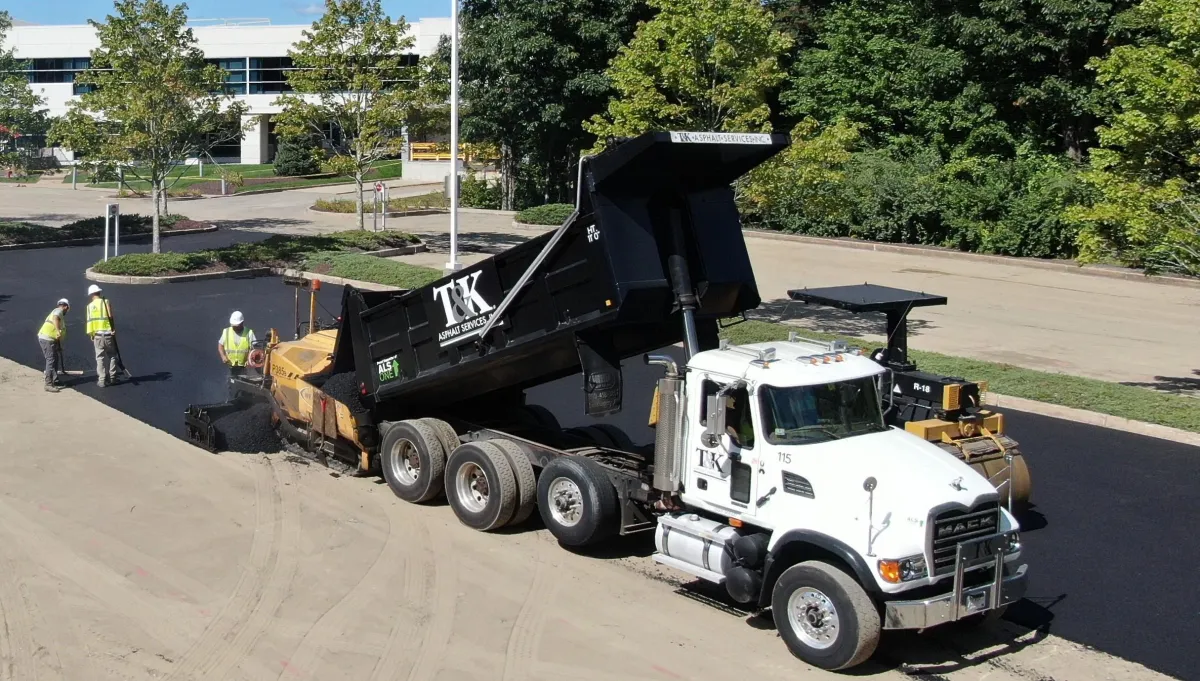
How to Maintain Asphalt in Staten Island, NY & Surrounding Areas
Maintaining asphalt in Staten Island, NY is essential to protect driveways, parking lots, and roads from wear and tear. With seasonal weather changes, heavy traffic, and salt exposure during winter, asphalt surfaces can deteriorate quickly if not properly cared for. Homeowners and business owners in Staten Island and surrounding areas like Tottenville, Great Kills, New Dorp, Port Richmond, and Bayonne, NJ can extend the lifespan of their asphalt by following regular maintenance practices. Proper care not only improves curb appeal but also saves money by preventing major repairs.
Why Is Asphalt Maintenance Important in Staten Island?
Asphalt maintenance is important in Staten Island because the area experiences harsh winters, heavy rainfall, and fluctuating temperatures. These conditions can cause cracks, potholes, and surface erosion. Regular upkeep helps prevent minor issues from turning into costly repairs. Residents in Staten Island and nearby towns like Great Kills and New Dorp can protect their asphalt investment by maintaining it properly and ensuring long-lasting performance.
How Often Should You Inspect Your Asphalt?
Inspect your asphalt at least twice a year—once in spring and once in fall. Look for cracks, fading, potholes, and drainage issues. Inspecting regularly allows you to address problems early, preventing them from expanding. In surrounding areas like Tottenville and Port Richmond, frequent inspection is crucial due to heavy traffic and seasonal weather impact.
What Are the Best Ways to Clean Asphalt?
Cleaning asphalt involves removing debris, dirt, and oil stains that can deteriorate the surface. Sweep the area regularly and use a mild detergent for tough stains. For oil spills, use absorbent materials or specialized cleaners to prevent damage. In Staten Island and nearby communities like Bayonne, NJ, keeping asphalt clean helps maintain its appearance and structural integrity.
When Should You Sealcoat Your Asphalt?
Sealcoating should be done every 2–3 years to protect asphalt from UV rays, water damage, and chemicals. Sealcoating creates a protective barrier that extends the lifespan of the pavement. Residents in Staten Island and surrounding towns such as New Dorp and Great Kills should sealcoat their driveways and parking lots regularly to prevent cracking and fading.
How Do You Repair Cracks in Asphalt?
Small cracks should be repaired immediately using crack filler or asphalt patch. Clean the crack, apply filler, and smooth the surface for a seamless finish. Timely crack repair prevents water from penetrating and causing potholes. In areas like Tottenville and Port Richmond, prompt crack repairs can prevent major damage due to heavy rainfall and freezing temperatures.
What Causes Potholes and How Do You Fix Them?
Potholes form when water seeps into cracks, freezes, and expands, causing the asphalt to break apart. Heavy traffic accelerates this process. Fixing potholes involves cleaning the area, applying asphalt patch, and compacting the material for a durable repair. Staten Island and nearby Bayonne, NJ often experience potholes due to winter weather, making timely repairs essential.
How Can Proper Drainage Improve Asphalt Life?
Proper drainage prevents water from pooling on the surface, which can lead to cracks and potholes. Ensure gutters, drains, and slopes are functioning correctly to direct water away from the asphalt. In Staten Island and surrounding areas like Port Richmond and Great Kills, good drainage is crucial for preventing water damage during heavy rains.
What Should You Avoid to Protect Your Asphalt?
Avoid using harsh chemicals, heavy machinery, and excessive salt on asphalt surfaces. These can accelerate wear and cause surface damage. Also, avoid parking heavy vehicles in one spot for long periods, as this can cause depressions. Homeowners in Staten Island and nearby towns like New Dorp and Tottenville should follow these precautions to maintain strong and smooth pavement.
When Is Asphalt Replacement Necessary?
Asphalt replacement becomes necessary when the surface is severely cracked, has large potholes, or has multiple layers of damage. If patching and sealcoating no longer improve the condition, replacement is the best option. In Staten Island and surrounding areas like Bayonne, NJ, a professional assessment can determine whether repair or replacement is needed.
How Can Professionals Help With Asphalt Maintenance?
Professional asphalt contractors offer services such as sealcoating, crack repair, pothole patching, and resurfacing. They have the right tools and expertise to ensure long-lasting results. Homeowners and business owners in Staten Island, Tottenville, Great Kills, and surrounding areas can rely on professionals to maintain their asphalt properly and efficiently.
Final Thought
Maintaining asphalt in Staten Island, NY and nearby areas like Tottenville, Great Kills, New Dorp, Port Richmond, and Bayonne, NJ is essential to protect your pavement from weather damage and heavy traffic. Regular inspection, cleaning, sealcoating, and timely repairs can significantly extend the lifespan of your asphalt surface. For best results, consider hiring professional contractors who can provide long-lasting maintenance solutions and improve the appearance and durability of your driveway or parking lot.
How long does asphalt last in Staten Island?
Asphalt typically lasts 15–20 years with proper maintenance, but harsh weather and heavy traffic can shorten its lifespan. Regular sealcoating and repairs can help extend its durability.
What is the best time to sealcoat asphalt?
The best time is during warmer months, ideally between late spring and early fall when temperatures stay above 50°F and the surface is dry.
Can I sealcoat my driveway myself?
Yes, you can, but professional sealcoating ensures a smoother finish and longer-lasting protection. DIY may be less durable if not applied correctly.
How much does asphalt repair cost in Staten Island?
Costs vary based on damage size, materials, and labor. Small crack repairs are affordable, while full resurfacing or replacement costs more.
Does asphalt require winter maintenance?
Yes. Remove snow promptly, avoid excessive salt, and repair cracks before winter to prevent freeze-thaw damage.