
Counterpunch · how it works
Why Talking Isn't Working,
And What Does.
Most approaches to helping struggling teenagers rely on conversation. CounterPunch is built on a different premise entirely, one backed by research and proven in practice.
The Problem
Talking creates resistance. Young people disengage.
When teenagers are struggling, with confidence, identity, anxiety, or connection, the standard response is to put them in a room and ask them to talk about it. For most, it doesn't work.

Talking requires vulnerability on demand
Most teenagers, especially the ones who are struggling most, won't open up in a structured session. The format itself creates a wall.

Therapy is passive, change is active
Insight and conversation can create awareness. But identity and behaviour change through doing, not discussing. Young people need to experience something different.

It doesn't reach the hardest cases
The teenagers who most need support are the ones who've already checked out, from school, from adults, from conversation. Traditional interventions miss them entirely.
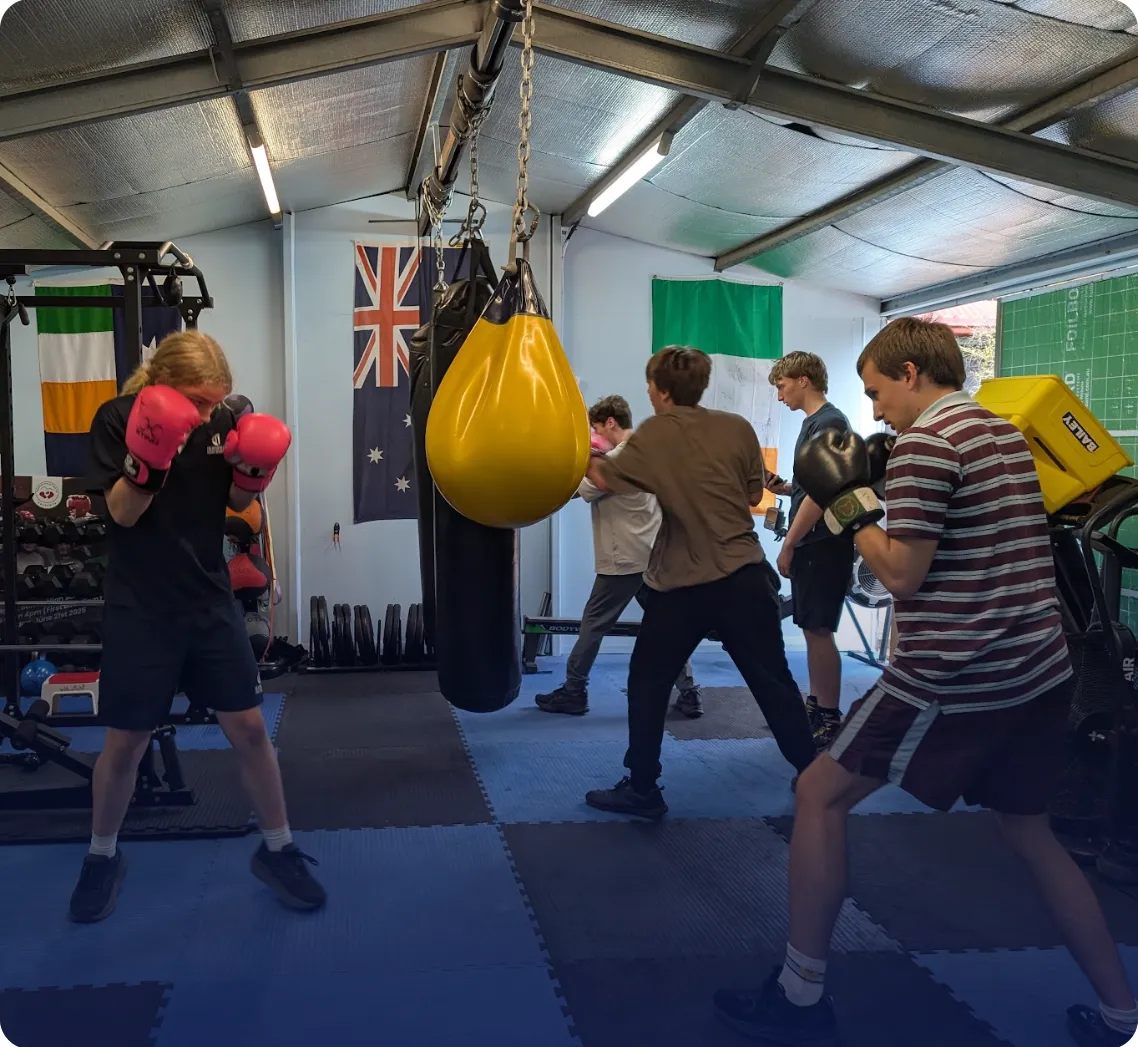
"The teens who disengage from talking are often the ones who come alive in the ring."
The Three Pillars
Change happens through
environment, not pressure.
When you put a young person inside the right physical and psychological environment, structured challenge, clear rules, earned respect, something shifts. Not because you told them to change. Because they had to meet a version of themselves they hadn't met yet.
Movement bypasses the defences that conversation triggers
Physical challenge creates real moments of self-discovery
A structured group with shared challenge builds genuine connection
Success in the ring transfers, confidence doesn't stay on the mat
Movement + Structure + Mentorship
Every CounterPunch session is built around three interlocking elements. Remove any one of them and the program doesn't work. Together, they create the conditions where real change happens.
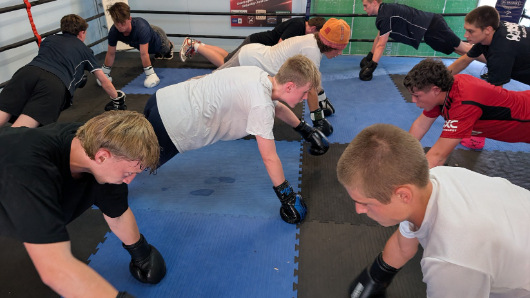
Movement
Boxing and physical training are the vehicle, not the destination. Movement creates a state that conversation can't. It gets teenagers out of their heads and into their bodies, where identity work can actually happen.
Physical challenge produces real stakes. When a teenager succeeds at something physically demanding, they build a different kind of self-belief, one that doesn't evaporate when the session ends.
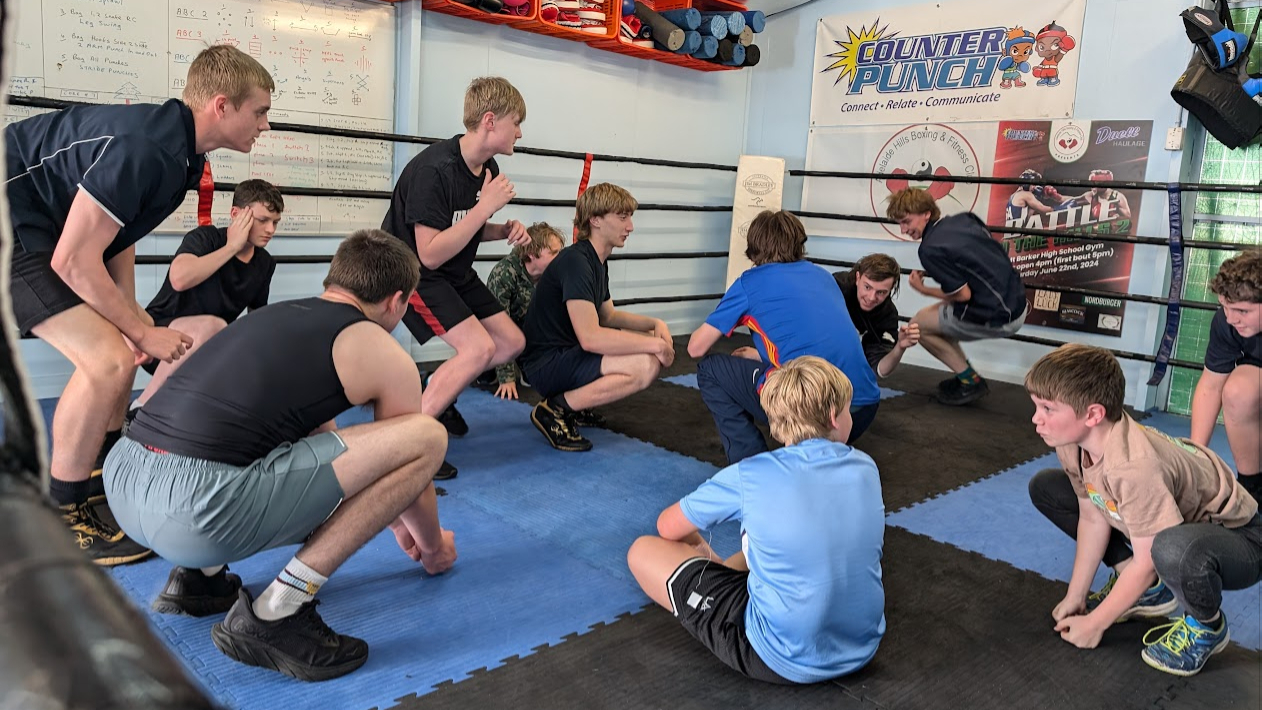
Structure
Every session follows a proven sequence. Structure creates psychological safety. Young people know what to expect, what the rules are, and what success looks like. For teenagers who've experienced chaos, this is transformative.
Many struggling teenagers have never experienced a structured environment that holds them accountable with respect. Structure without punishment teaches self-regulation by modelling it.
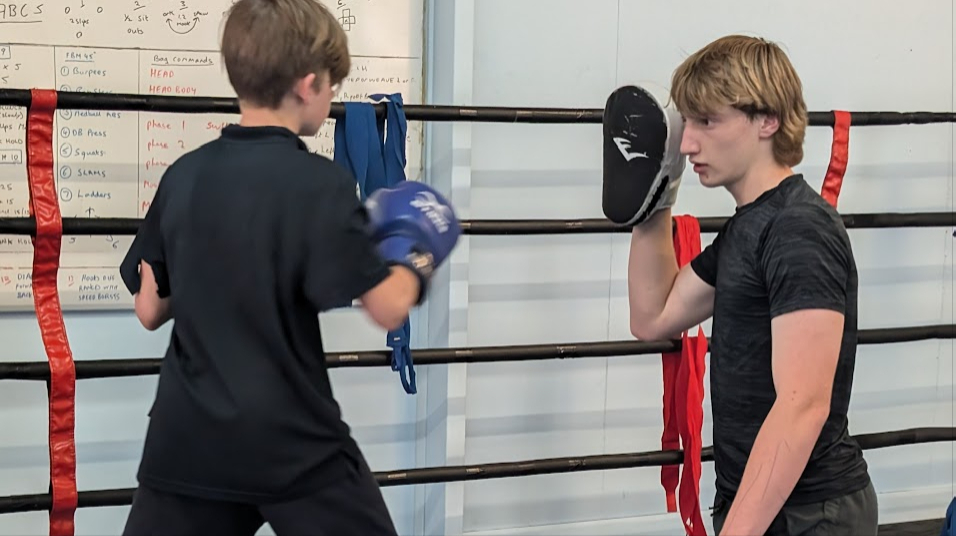
Mentorship
The facilitator is the most important element of any CounterPunch program. Not as a counsellor, but as someone who is present, consistent, and genuinely invested in every young person in the room.
Many disengaged teenagers have never had a consistent adult relationship that didn't come with judgement or conditions. A skilled facilitator becomes a safe point of reference, often for the first time.
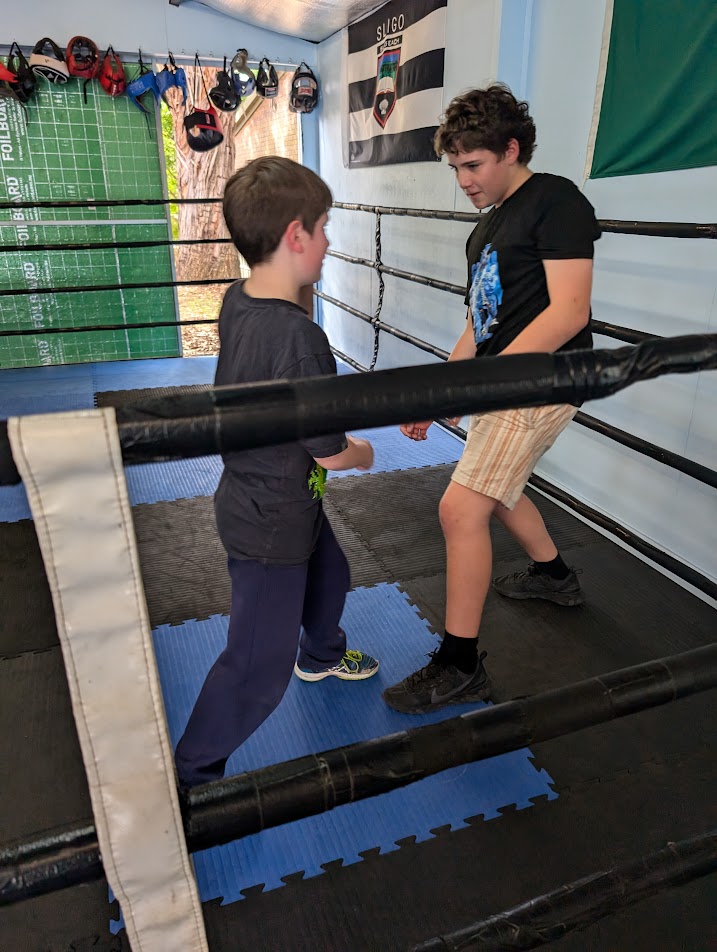
Peer Mentors: A Fourth Layer
As participants graduate CounterPunch, they have the option to continue on a peer mentoring pathway, staying inside the program as role models for new participants. At this stage of development, peers are the most influential people in a young person's life. That's not a problem to manage, it's a mechanism to use.
Graduates develop real leadership skills by guiding others through the same process they went through. Incoming participants see someone who looks like them, who has already made the journey, rather than just an adult telling them what's possible. This self-sustaining loop is one of the most powerful reasons CounterPunch produces lasting change.

"These kids walked in unable to make eye contact. Eight weeks later, this."
The RESULT
What Changes. And Why It Lasts.
The outcomes documented through CounterPunch, including a 2-year government study, aren't about boxing. They're about what happens to a young person when they're placed in the right environment and supported to rise to it.
The change doesn't stay in the gym. Parents notice it at home. Teachers notice it at school. The young person notices it in themselves.
Reported outcome
Confidence
Teenagers who complete CounterPunch consistently report increased belief in their own capability, grounded in real evidence from the program, not affirmations.
Reported outcome
Emotional Regulation
Anxiety, anger, and frustration decrease measurably. The physical and structured nature of the program gives young people a framework for managing what they're feeling.
Reported outcome
Connection
Isolated teenagers find belonging. Parents rebuild relationships with their kids. The program creates the conditions for reconnection that years of conversation couldn't..
You've Seen How It Works.
Now Choose Your Path.
Whether you're a parent looking for real support for your teenager, or someone who wants to deliver this model in their community, the next step is a conversation, not a commitment.
or
Real change for young people doesn't
come from talking.
It comes from environment.


© 2026 CounterPunch. All rights reserved.