
Understanding the Best Leak Detection Techniques for Homeowners in Los Angeles, CA & Surrounding Areas
Homeowners in Los Angeles, California, and nearby communities such as Santa Monica, Burbank, Glendale, Culver City, Pasadena, and Inglewood face a variety of plumbing and structural challenges that make effective leak detection essential. Whether it’s hidden water leaks behind walls, under floors, or within ceilings, early detection protects your home from major damage and costly repairs. Below are nine key questions every homeowner should ask about leak detection—along with vital answers and tips tailored for the Los Angeles region.
Why is leak detection important for homeowners?
Leak detection helps homeowners identify hidden plumbing problems before they cause serious water damage. Even small leaks can weaken walls, floors, and foundations over time if left untreated. Early detection also helps reduce water waste and lower utility bills. Regular inspections improve the overall efficiency and safety of the plumbing system.
What are the most common signs of hidden water leaks?
Unexplained increases in water bills, damp walls, mold growth, and musty odors are common warning signs of hidden leaks. Homeowners may also notice water stains, peeling paint, or reduced water pressure. These symptoms often indicate moisture problems behind walls or under floors. Immediate attention helps prevent further structural damage.
How do professional plumbers use electronic leak detection?
Electronic leak detection equipment uses sound amplification technology to locate hidden leaks inside pipes. Specialized devices can identify the sound of water escaping even behind walls or underground. This method allows plumbers to pinpoint leaks accurately without unnecessary property damage. Electronic detection is commonly used for fast and non-invasive inspections.
What role do thermal imaging cameras play in leak detection?
Thermal imaging cameras detect temperature differences caused by moisture behind walls, ceilings, or floors. Areas affected by leaks often appear cooler because of water accumulation. This technology helps professionals identify hidden plumbing issues without opening large sections of the property. Thermal imaging improves inspection accuracy and efficiency.
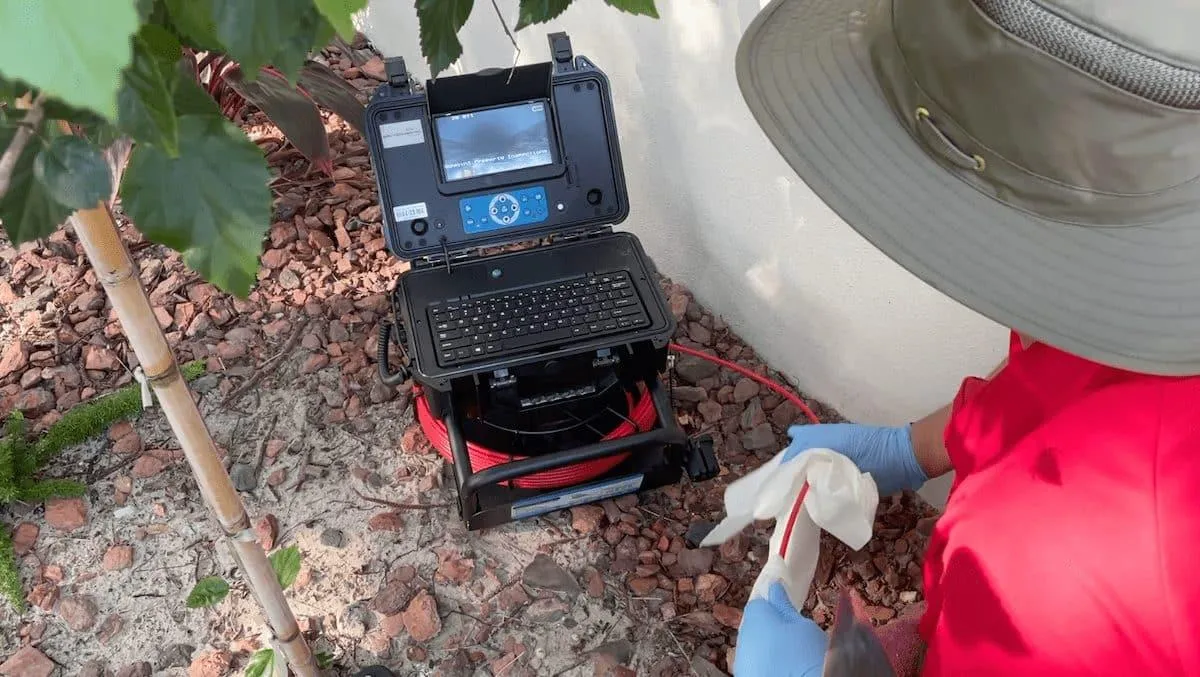
Can video camera inspections help locate plumbing leaks?
Yes, plumbers often use waterproof video cameras to inspect the inside of pipes and sewer lines. The camera provides a clear view of cracks, blockages, or damaged pipe sections causing leaks. Video inspections reduce guesswork and help determine the exact condition of the plumbing system. Accurate diagnosis supports more effective repairs.
Why are slab leaks dangerous for homes?
Slab leaks occur beneath concrete foundations and can cause serious structural problems if ignored. Continuous water leakage may weaken the foundation, create cracks, and increase moisture levels inside the home. Homeowners may notice warm floors, damp carpeting, or rising water bills. Early leak detection helps prevent expensive foundation repairs.
How can water meter testing help identify leaks?
Water meter testing is a simple method used to detect hidden water usage inside a property. If the water meter continues moving while all fixtures are turned off, a leak may be present somewhere in the system. This technique helps homeowners identify possible plumbing issues early. Professional inspections can then locate the exact source.
What causes underground pipe leaks in residential properties?
Underground leaks can develop because of pipe corrosion, shifting soil, tree root intrusion, or aging plumbing materials. Changes in water pressure and ground movement may also damage buried pipes over time. These leaks often remain unnoticed until visible water damage appears. Professional leak detection helps identify underground issues quickly.
Can leak detection help reduce water bills?
Yes, hidden leaks can waste significant amounts of water and increase monthly utility costs. Detecting and repairing leaks early helps homeowners avoid unnecessary water loss. Efficient plumbing systems use less water and operate more effectively. Routine leak inspections can contribute to long-term savings on utility expenses.
Why should homeowners schedule regular plumbing inspections?
Regular plumbing inspections help identify developing leaks and weak pipe sections before major problems occur. Preventive maintenance improves plumbing reliability and reduces emergency repair costs. Professional evaluations also ensure the system operates safely and efficiently throughout the property. Early inspections help extend the lifespan of plumbing components.
Final Thought
For residents in Los Angeles, CA, and nearby areas like Santa Monica, Burbank, Glendale, Culver City, Pasadena, and Inglewood, staying proactive about leak detection saves both money and peace of mind. Regular maintenance, proper inspections, and timely professional help ensure your plumbing system stays efficient, preventing costly water damage in the long run.
Frequently Asked Questions
How much does professional leak detection cost in Los Angeles?
The average cost ranges between $300 and $700 depending on the leak’s location, pipe depth, and the tools required for inspection.
Can a thermal imaging camera detect all types of leaks?
Thermal imaging works well for detecting moisture and temperature changes, but it may not detect deeply buried or insulated leaks.
What is the fastest way to check for a leak at home?
Turn off all water fixtures and check your water meter. If it continues to move, it’s a clear sign of a leak in your system.
Does homeowner’s insurance cover leak detection?
Most insurance plans cover sudden or accidental leaks but may not cover damage caused by gradual wear or poor maintenance.
How often should homeowners schedule leak inspections?
Homeowners should inspect for leaks once a year, and older homes or those with frequent plumbing issues should be checked every six months.
Contact Us
Terms & Conditions
Privacy Policy