Best Practices For Commercial Drain Maintenance in Los Angeles & Surrounding Areas
Keeping commercial drains flowing smoothly in Los Angeles, CA, and surrounding areas is essential for business operations, compliance, and cost savings. Proper drain maintenance prevents clogs, protects plumbing infrastructure, and ensures a safe, hygienic environment for staff and customers. This guide answers key questions about commercial drain care, preventative maintenance, hydro jetting, grease trap compliance, and emergency support.
Why Is Maintaining Commercial Drains Important for Los Angeles Businesses?
Commercial drains handle heavy use, food waste, and complex piping systems. Neglecting them can lead to clogs and sewage backups, health code violations, and costly downtime. Regular maintenance keeps businesses in Los Angeles and surrounding areas compliant with local regulations, extends pipe life, eliminates odors, and maintains customer satisfaction.
What Happens When Businesses Skip Routine Drain Maintenance?
When businesses neglect regular drain care, grease, sediment, and even tree roots can build up inside the pipes. This often results in complete blockages, sewage overflows, and damage to inventory that creates unsafe working conditions. In many cases, ignoring maintenance leads to emergency repair calls and expensive pipe replacements that could have been avoided.
How Does Poor Drain Maintenance Affect Compliance and Operations?
Drain backups or overflows can quickly disrupt operations and even result in temporary business shutdowns. Lost sales are only part of the problem—fines from the Los Angeles Department of Public Health can also follow. Restaurants face an especially high risk of violations if grease interceptors are not serviced regularly, while industrial and office facilities may be penalized for improper wastewater management.
What Are the Early Signs of Commercial Drain Problems?
Commercial drains often show warning signs before major issues occur. Slow drainage across multiple sinks, persistent gurgling noises, foul odors near floor drains, and sudden backups in toilets or sinks all suggest developing problems. Spotting these symptoms early helps avoid costly emergencies.
How Do Los Angeles Plumbing Rules Affect Commercial Drain Care?
Los Angeles follows the California Plumbing Code (CPC) along with the Los Angeles Municipal Code (LAMC), which require proper drain slopes, ventilation, and trap seals. They also mandate backflow prevention for wastewater lines and accessible cleanouts at regular intervals in high-traffic facilities. Staying compliant with these rules helps businesses avoid fines and protects public safety.
How Does the California Plumbing Code Guide Grease Trap Maintenance?
The CPC provides strict guidelines for grease interceptor installation and upkeep. It requires specific minimum sizes and flow rates based on the number of fixtures served, placement within 25 feet of grease-producing sinks, and scheduled servicing according to manufacturer recommendations.
What Are the Local Standards for Grease Traps in Los Angeles Commercial Kitchens?
Los Angeles regulations require grease traps to capture at least 90 percent of fats, oils, and grease before wastewater enters the sewer system. They must also include accessible cleanouts and sampling ports for inspection. Restaurants are typically required to clean grease traps quarterly, while retail spaces or office buildings may need semi-annual service depending on use.
How Can Businesses Maintain Commercial Drains Effectively?
The best approach is a mix of scheduled inspections, tailored cleaning routines, and advanced methods like hydro jetting. For example, camera inspections every one to two years can detect wear and blockages, while monthly enzyme treatments reduce buildup in high-FOG areas. Adjusting service frequency based on usage ensures drains remain clear and reliable.
What Cleaning Schedules Work Best for Different Business Types?
Restaurants generally require quarterly cleaning due to high levels of fats and oils. Office buildings typically benefit from annual service, while industrial facilities often need bi-annual cleaning because of heavier chemical or particle discharge. Retail establishments, which experience lighter usage, usually require semi-annual maintenance.
How Does Hydro Jetting Work and Why Is It Effective?
Hydro jetting relies on highly pressurized water—up to 5,000 PSI—to clear pipes. It completely washes away grease, scale, and mineral buildup along the full pipe interior rather than just cutting a path through the blockage. This method is safe for most pipes, chemical-free, and can restore flow capacity by as much as 40 percent.
Final Thought
Maintaining commercial drains in Los Angeles & surrounding areas is not just about preventing clogs—it’s about protecting your business, staying compliant, and avoiding costly disruptions. With the right mix of preventative care, regular inspections, and professional support, businesses can ensure smooth operations year-round. Partnering with trusted experts like Just Sewers Inc. gives you the peace of mind that your plumbing systems are clean, compliant, and ready to handle daily demands.
Frequently Asked Questions
How often should commercial drains be cleaned in Los Angeles?
Most restaurants should schedule quarterly cleanings due to heavy grease buildup, while office buildings or retail spaces may only need annual or semi-annual service.
What is the best method for cleaning commercial drains?
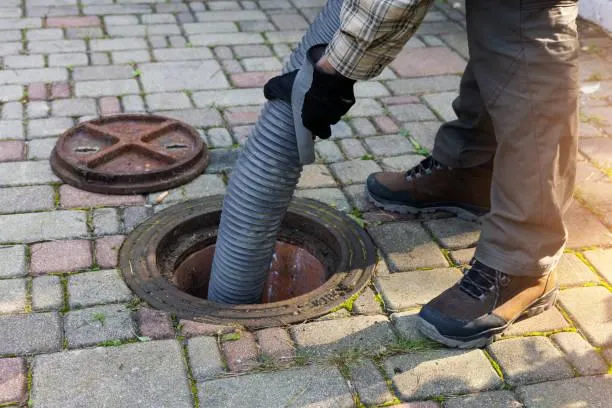
Hydro jetting is often the most effective because it uses high-pressure water to completely clear grease, roots, and debris from the entire pipe interior.
How do I know if my business needs professional drain cleaning?
Warning signs include recurring slow drains, foul odors near floor drains, gurgling noises, or sewage backups in toilets and sinks
Are commercial drain cleaning services available 24/7 in Los Angeles?
Yes. Many providers, including Just Sewers Inc., offer round-the-clock emergency services to minimize downtime and protect business operations.
How much does commercial drain cleaning cost in Los Angeles?
Costs vary depending on the clog severity, method used, pipe size, and accessibility. Basic snaking may start at $175, while hydro jetting can range from $300 to $800.
Contact Us
Terms & Conditions
Privacy Policy