Septic System Installation Regulations in City of Industry, CA & Surrounding Areas
Septic system installation in City of Industry, CA and surrounding areas is governed by a combination of local permitting requirements, county building codes, Los Angeles County public health standards, and statewide wastewater policies. Because septic systems treat and dispose of wastewater onsite instead of connecting to a sewer system, strict regulations exist to protect public health, groundwater quality, and the environment. Those planning a new system or replacement must understand soil testing, permit processes, design standards, inspections, maintenance duties, and impact on sewer availability.
Why Is a Permit Required Before Installing a Septic System?
A permit is required for every new septic system installation or major replacement. This ensures that the system is designed and installed according to Los Angeles County codes and public health standards. Permits are typically issued through county building and safety offices or environmental health departments and must be approved before any construction begins. Without a permit, authorities can refuse installation, impose fines, or require removal of the unapproved system.
How Do State and County Wastewater Policies Affect Local Septic Rules?
California’s Onsite Wastewater Treatment Systems (OWTS) Policy, adopted as part of statewide standards, sets performance criteria and safety requirements for septic systems throughout the state. Local programs, such as Los Angeles County’s Local Agency Management Program (LAMP), adapt those standards for regional conditions and enforce them locally. These policies ensure that septic systems do not harm groundwater or surface water and meet health agency requirements before and after installation.
1
What Role Does Soil Testing Play in Septic Installation Regulations?
Before a septic system can be installed, soil testing and site evaluation are mandatory to determine whether the soil can adequately filter and disperse wastewater. A qualified professional must conduct or coordinate these tests, which may include percolation tests and assessments of groundwater depth. If the soil and site conditions are unsuitable, regulatory authorities may deny a permit or require an engineered alternative system.
How Do Setbacks and Location Requirements Affect Septic Installation?
Regulations require that septic systems be located a safe distance from structures, property lines, water wells, and bodies of water. These setback distances help ensure that effluent will not contaminate drinking water sources or undermine foundations. Local building codes, county plumbing ordinances, and LAMP requirements collectively determine these setback distances, and professional installers must design the system layout to comply with them.
What Happens if Public Sewer Is Available Nearby?
In many counties, including Los Angeles County, regulations state that new or replacement septic systems are not permitted if a public sewer is available within a specified distance. If sewer infrastructure exists nearby, properties may be required to connect rather than install a septic system. This is intended to limit the number of septic systems and reduce environmental risk where centralized sewers are accessible.
Who Must Design and Install a Septic System?
Septic system design and installation must be performed by professionals licensed in California, such as a licensed civil engineer or a contractor with the appropriate septic or plumbing classification (often Class A, C‑36 Plumbing, or C‑42 Sanitation System). These professionals ensure that plans meet regulatory standards, account for site conditions, and comply with county and state requirements.
Are Inspections Required During and After Installation?
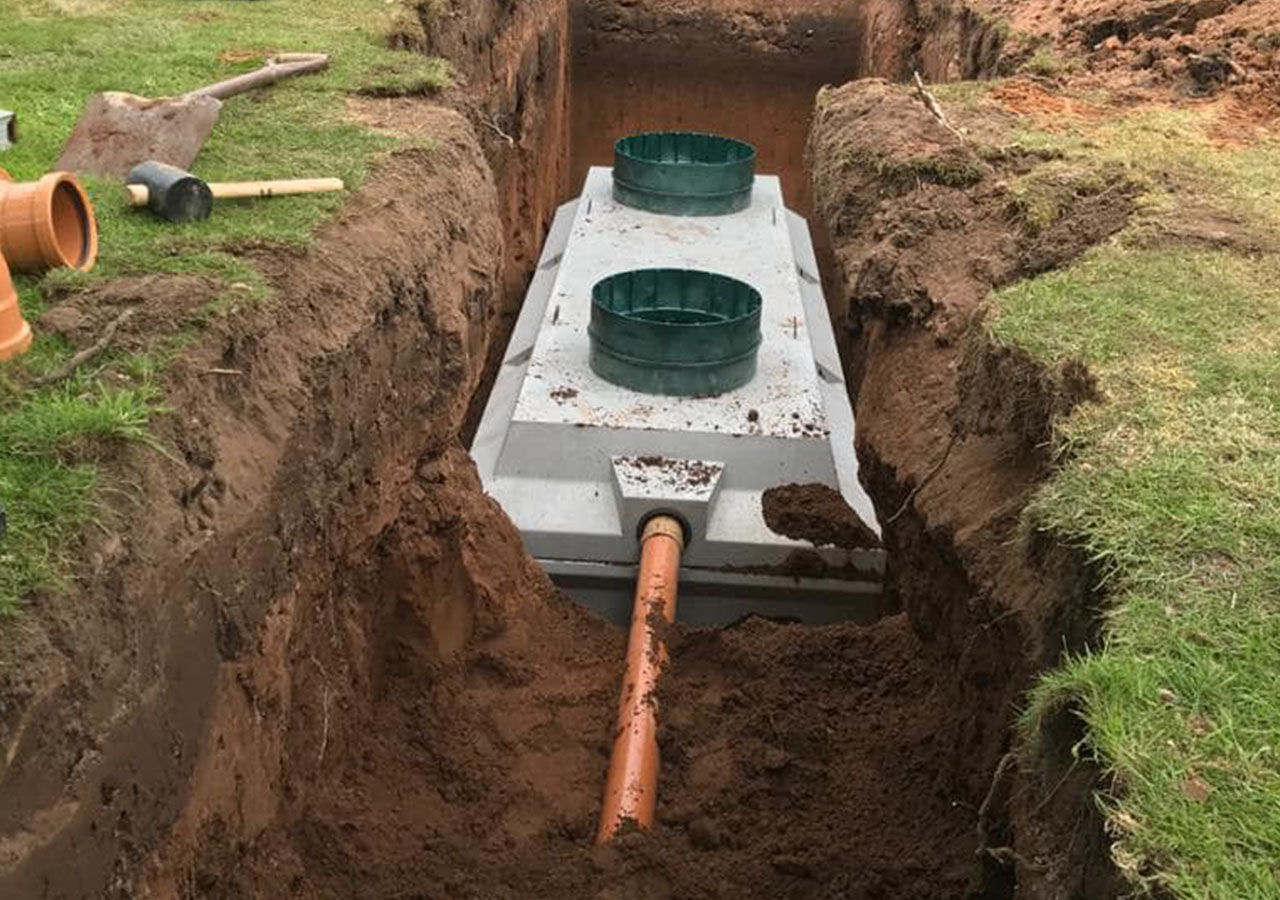
Yes. Regulatory codes require inspections at key stages of the installation process. Inspectors verify that the system is constructed according to approved plans and that components such as tanks, distribution boxes, and drainfields are installed correctly. After installation, systems are often subject to routine inspection and maintenance requirements to ensure ongoing compliance and functionality.
What Ongoing Maintenance Rules Must Septic Owners Follow?
Even after installation, septic system owners must follow maintenance regulations to ensure system health and environmental safety. This typically includes periodic pumping, inspection reports, record‑keeping, and operation according to manufacturer and regulatory standards. Improper maintenance can lead to violations, fines, or mandated corrective action by public health agencies.
Can Septic Systems Be Installed on All Properties in Local Areas?
Septic systems are allowed only where site conditions, soil types, groundwater separation distances, and public sewer availability permit. In areas with poor soil, high water table, or proximity to public sewer lines, systems may be prohibited or require specialized design solutions that must be approved in advance by local permitting authorities.
What happens if a septic system is installed without a permit?
Unpermitted installations may lead to fines, stop-work orders, failed inspections, and mandatory system removal or replacement.
Final Thoughts
Understanding septic system installation regulations in City of Industry, CA and surrounding areas helps homeowners, builders, and developers successfully navigate permitting, design, and construction requirements. These regulations protect public health, prevent groundwater contamination, and support proper wastewater treatment on properties not connected to public sewer systems. Working with licensed professionals and local authorities ensures systems are compliant, safe, and long‑lasting.
Frequently Asked Questions
Do all septic systems require a permit before installation?
Yes, every new septic system or major replacement must be permitted before construction begins.
Is soil testing always required before septic installation?
Yes, soil and site evaluations ensure suitability and compliance with regulatory standards.
What professionals are allowed to install septic systems?
Licensed engineers, plumbers, or sanitation system contractors must design and install systems.
Are inspections necessary after septic installation?
Yes, inspections verify proper installation and ongoing compliance with local regulations.
Can you install a septic system if public sewer is nearby?
In many cases, regulations may require connection to sewer rather than installing a septic system.
Contact Us
Terms & Conditions
Privacy Policy