
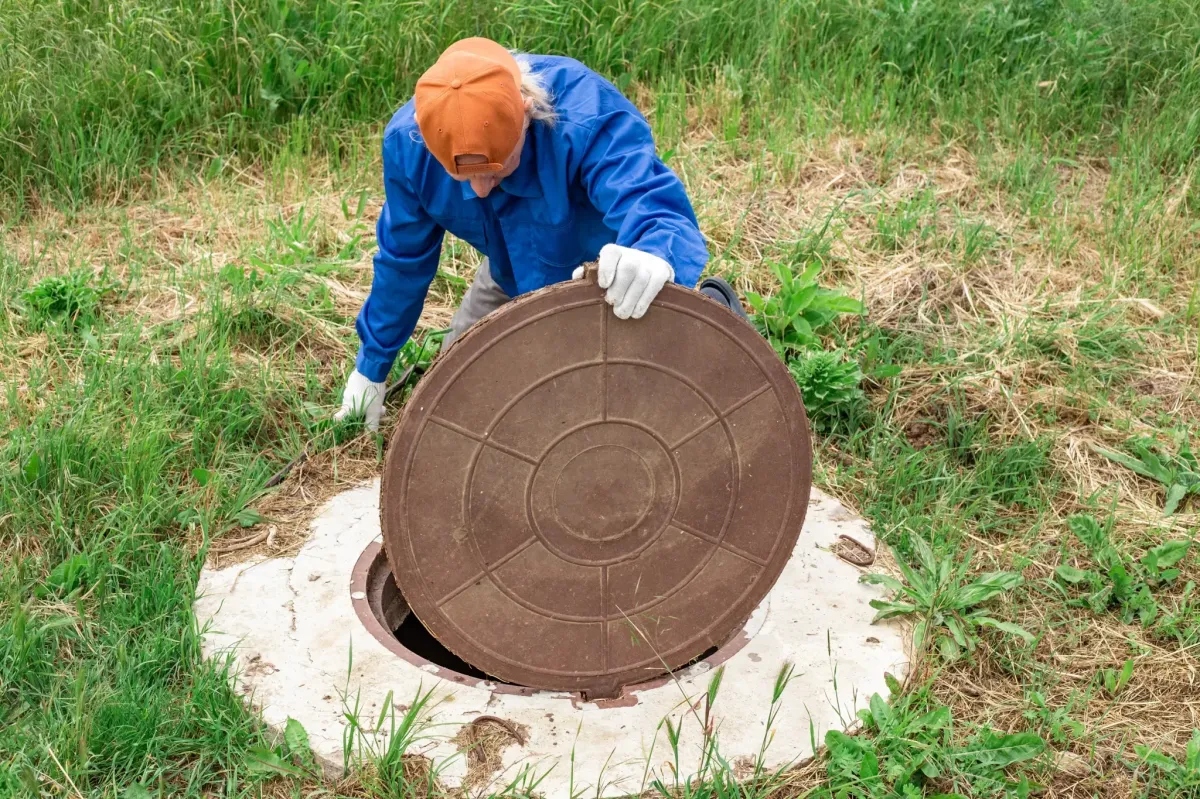
Unlocking Septic System Inspection Benefits in Los Angeles & Surrounding Areas
Septic system inspections in Los Angeles, CA and nearby communities such as Santa Monica, Pasadena, Glendale, Inglewood, Burbank, Torrance, Long Beach, and Culver City play a crucial role in protecting property value, public health, and the environment. Whether you’re a homeowner, buyer, or seller, understanding the benefits of septic inspections helps you avoid costly repairs and unexpected system failures.
What Is a Septic System Inspection?
A septic system inspection is a professional assessment of the septic tank, drain field, and all connected components to confirm the system is working properly. In Los Angeles and surrounding areas, inspectors evaluate wastewater flow, check for leaks or blockages, identify structural damage, and ensure the system complies with local and county regulations.
How Does a Septic System Inspection Work?
During a septic inspection, trained professionals examine both visible and underground parts of the system using specialized tools. In Los Angeles County, this process often includes measuring sludge levels, inspecting tank integrity, assessing drain field performance, and verifying that wastewater is being safely and efficiently processed.
Why Are Septic System Inspections Important in Los Angeles?
Los Angeles has varied soil types, population density, and strict environmental standards. Regular septic inspections help homeowners in Pasadena, Glendale, and Santa Monica prevent groundwater contamination, sewage backups, and potential health risks while ensuring compliance with state and county environmental regulations.
What Problems Can a Septic Inspection Detect Early?
A septic inspection can identify early signs of problems such as slow drainage, minor leaks, cracks in the tank, clogged pipes, or drain field saturation. Catching these issues early helps homeowners across Los Angeles avoid costly repairs and unexpected system failures.
How Do Septic Inspections Extend System Lifespan?
Routine septic inspections help maintain proper system performance by identifying maintenance needs before serious damage occurs. Homeowners in Inglewood, Burbank, and Culver City often extend the life of their septic systems by addressing small issues early through regular inspections.
When Should You Schedule a Septic System Inspection?
Septic inspections should be scheduled before buying or selling a property in Los Angeles or nearby cities, every three to five years as part of routine maintenance, after heavy rainfall or flooding in areas like Long Beach or Torrance, or whenever signs such as odors, slow drains, or backups appear.
How Do Septic Inspections Protect Property Value?
In competitive real estate markets such as Los Angeles, Santa Monica, and Pasadena, a documented septic inspection provides reassurance to buyers and lenders. A well-maintained septic system reduces the risk of deal delays and protects long-term property value.
Are Septic Inspections Required for Real Estate Transactions?
In many Los Angeles County transactions, septic inspections are strongly recommended and sometimes required, especially for older properties or homes outside municipal sewer systems. Inspections help ensure transparency and reduce legal or financial risks for both buyers and sellers.
Who Should Perform Septic System Inspections in Los Angeles?
Septic inspections should be performed by licensed and experienced professionals who understand Los Angeles County regulations and local soil conditions. Local inspectors in areas like Glendale and Burbank are better equipped to provide accurate and compliant evaluations.
What Happens After a Septic System Inspection?
After the inspection, homeowners receive a detailed report outlining the system’s condition, recommended maintenance, and any necessary repairs. This allows residents throughout Los Angeles and surrounding communities to plan preventative care, stay compliant with regulations, and maintain system reliability.
Final Thought
Septic system inspections in Los Angeles, CA and surrounding areas are an essential part of responsible property ownership. With diverse soil conditions, strict environmental regulations, and high property values, regular inspections help prevent costly repairs, protect public health, and safeguard your investment. Whether you are maintaining your current home or preparing for a real estate transaction, scheduling a professional septic inspection ensures long-term system performance and peace of mind.
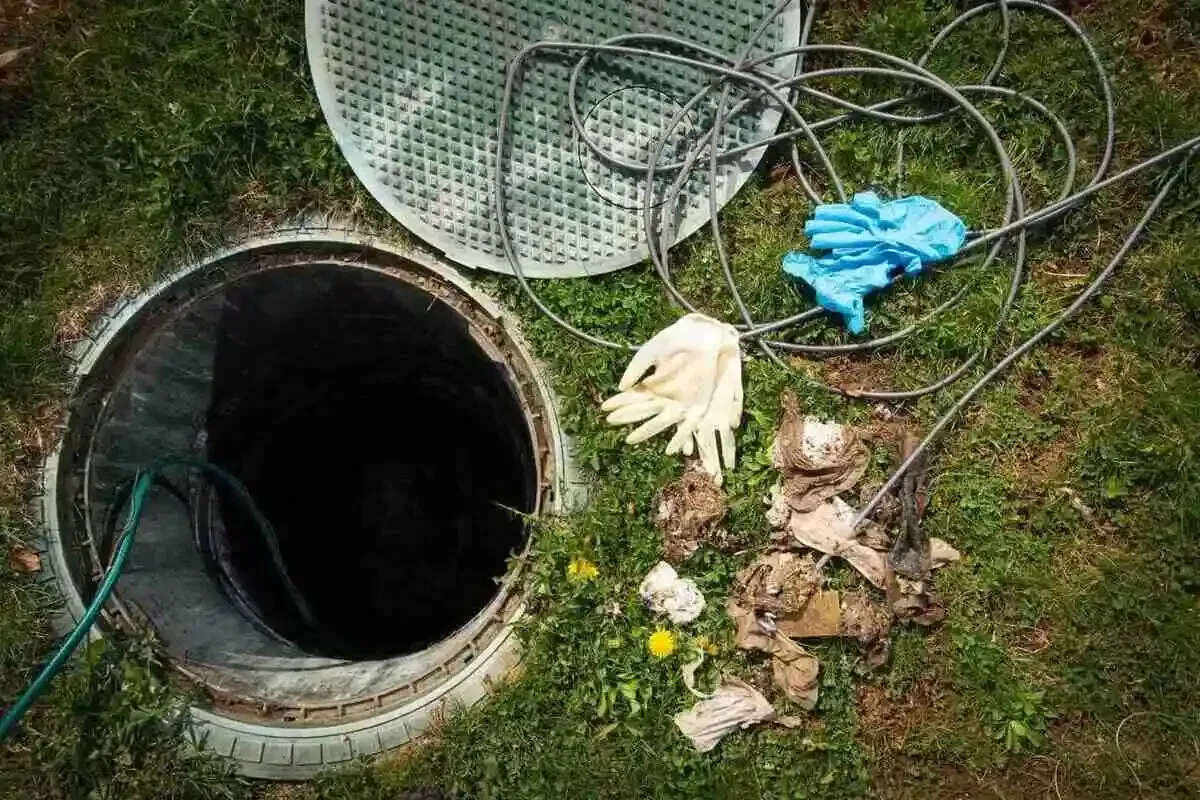
Frequently Asked Questions
How long does a septic system inspection take?
A typical septic system inspection in Los Angeles usually takes between one and three hours, depending on the size of the system, accessibility, and overall condition. Larger or older systems may require additional time for a thorough evaluation.
How much does a septic system inspection cost in Los Angeles?
The cost of a septic inspection in Los Angeles and nearby areas varies based on property size, system complexity, and inspection depth. On average, homeowners can expect pricing to fall within a moderate range, with more detailed inspections costing slightly more.
Do older homes in Los Angeles need more frequent septic inspections?
Yes, older homes in areas such as Pasadena, Glendale, and Burbank often benefit from more frequent inspections. Aging systems are more prone to wear, making regular evaluations important for preventing failures.
Can a septic inspection find hidden problems?
A professional septic inspection is designed to uncover hidden issues such as underground leaks, early drain field failure, or internal tank damage. Detecting these problems early can save homeowners significant repair costs.
Is a septic inspection required before selling a home in Los Angeles?
While not always legally required, septic inspections are strongly recommended for real estate transactions in Los Angeles County. Many buyers and lenders request inspection reports to ensure the system is functioning properly.
Contact Us
Terms & Conditions
Privacy Policy