
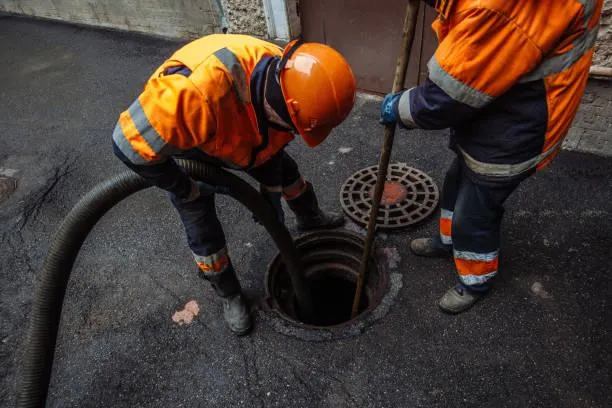
Environmental Impact of Sewer Systems in Los Angeles, CA & Surrounding Areas
Sewer systems play a vital role in maintaining sanitation and public health across Los Angeles, CA, and nearby cities like Pasadena, Santa Monica, Beverly Hills, Fullerton, Orange, and Yorba Linda. However, these systems can also contribute to environmental issues when they malfunction, overflow, or leak. From ocean pollution along the coastlines of Santa Monica to groundwater contamination in San Gabriel and infrastructure strain in older urban areas like Hollywood, understanding the environmental consequences of sewer systems is essential for both residents and policymakers. Let’s explore the key questions surrounding the ecological impact of sewer infrastructure across Los Angeles and its surrounding regions.
What Environmental Issues Are Caused by Aging Sewer Systems in Los Angeles?
In areas like Los Angeles, Pasadena, and Fullerton, many sewer lines are decades old. These aging systems are prone to cracks, leaks, and collapses, which can lead to untreated sewage seeping into the ground. This contaminates local waterways, harms wildlife habitats, and can impact groundwater that supplies nearby cities such as San Gabriel and Yorba Linda. Leaky pipes also allow stormwater to infiltrate the system, overwhelming treatment plants and increasing the risk of sewage overflows during heavy rains.
How Do Sewer Overflows Affect the Coastal Environment in Santa Monica and Beyond?
Sewer overflows—especially in coastal communities like Santa Monica and Venice Beach—can discharge untreated wastewater directly into the Pacific Ocean. This harms marine ecosystems, leads to beach closures, and threatens public health. Contaminated runoff from Beverly Hills and Hollywood can also enter storm drains that feed into coastal waters, increasing the levels of bacteria and toxins in recreational areas.
What Role Does Climate Change Play in Sewer System Strain?
Rising temperatures and more intense rainstorms, seen increasingly across Los Angeles, Orange, and City of Industry, place added stress on local sewer systems. Older infrastructure wasn’t designed to handle such climate extremes. Sudden, heavy rainfall can overwhelm combined sewer systems, resulting in overflow events. Droughts, on the other hand, can dry out sewer pipes, making them more susceptible to cracks and root intrusion.
How Does Sewer Infrastructure Contribute to Greenhouse Gas Emissions?
Sewer treatment plants throughout the Los Angeles metropolitan area, including those servicing Pasadena, Fullerton, and San Gabriel, release methane—a potent greenhouse gas—during the treatment of organic waste. In addition, energy used to pump, treat, and transport wastewater contributes to the city’s overall carbon footprint. Improving treatment efficiency and capturing biogas for energy use can help reduce these emissions.
What Is the Impact of Leaking Sewers on Soil and Groundwater?
Cracked or broken sewer lines in cities like Yorba Linda, Pasadena, and Los Angeles can leak raw sewage into the surrounding soil. This contamination can reach groundwater aquifers, especially in areas that rely on wells. Groundwater pollution can take years or even decades to remediate and can pose long-term health risks to both people and wildlife in suburban areas like Orange and San Gabriel.
How Can Sewer Systems Be Modernized to Reduce Environmental Impact?
Modernizing sewer systems with trenchless technologies, smart sensors, and separate stormwater systems helps reduce overflow events and energy use. Cities like Beverly Hills, Santa Monica, and Los Angeles are beginning to implement green infrastructure projects such as permeable pavements, rain gardens, and biofiltration systems that naturally filter runoff before it reaches the sewer system. Replacing outdated clay or cast-iron pipes with modern materials also helps prevent root intrusion and leakage.
Are Sewer System Upgrades Being Prioritized in Los Angeles and Nearby Cities?
Yes, but progress varies. Los Angeles has launched initiatives to upgrade thousands of miles of sewer lines, and cities like Pasadena and Orange have received grants to improve stormwater management and reduce ocean pollution. However, many older neighborhoods in Fullerton, City of Industry, and San Gabriel still face delays due to funding or logistical challenges.
What Can Residents Do to Minimize Their Own Impact on the Sewer System?
Homeowners and businesses in Los Angeles, Yorba Linda, and Beverly Hills can help by avoiding flushing grease, wipes, or non-biodegradable items. Installing backflow prevention devices, fixing leaks quickly, and supporting local clean water initiatives can also make a difference. Property owners in flood-prone areas like Santa Monica and Hollywood can use rain barrels or permeable landscaping to reduce runoff entering the sewers.
How Do Sewer Problems Affect Wildlife and Ecosystems in the Los Angeles Region?
Untreated wastewater and nutrient-rich effluent from malfunctioning sewer systems feed harmful algal blooms in local rivers and oceans. This disrupts aquatic ecosystems, kills fish, and harms bird populations in coastal wetlands near Santa Monica and inland waters around Pasadena and San Gabriel. Contaminated soil from leaking lines can also affect plant life and reduce biodiversity in green spaces throughout the region.
What Are Long-Term Solutions for Sustainable Sewer Management in Southern California?
Sustainable sewer management across Los Angeles, Orange County, and surrounding towns like Pasadena, Fullerton, and Yorba Linda involves a combination of public education, green infrastructure, proactive inspections, and investment in smart sewer technology. Recycled water systems and water-efficient appliances can also help reduce strain on sewer lines. A regional approach is essential, as many cities share interconnected sewer infrastructure and rely on shared treatment facilities.
Final Thought
The environmental impact of aging and overburdened sewer systems in Los Angeles, CA, and nearby communities—from Santa Monica and Pasadena to Yorba Linda and City of Industry—is significant. But with proactive upgrades, public involvement, and investment in green solutions, cities can mitigate these effects and protect both public health and natural ecosystems. Sewer systems are more than infrastructure—they are vital to the long-term sustainability of life in Southern California.
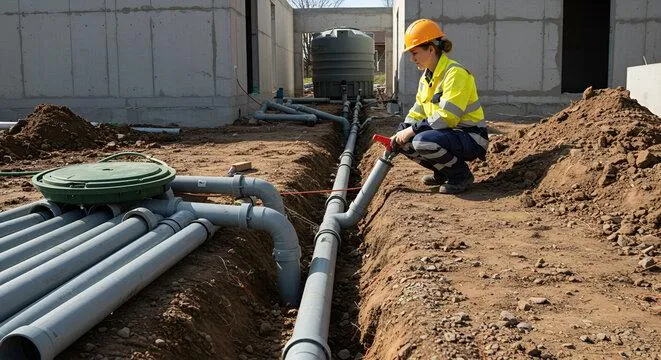
Frequently Asked Questions
What are the main pollutants released by aging sewer systems in Los Angeles?
Aging sewer infrastructure can leak raw sewage into soil and water sources, releasing harmful pathogens, nitrogen, phosphorus, and chemical contaminants. This can degrade local ecosystems, especially in communities like Pasadena, Hollywood, and San Gabriel.
How does combined sewer overflow (CSO) affect the environment in nearby cities?
During heavy rains, combined sewer systems can overflow, discharging untreated wastewater into rivers and oceans. This is a significant concern in coastal areas like Santa Monica and Long Beach, where beach closures and water contamination may occur.
Can sewer system upgrades reduce environmental harm in the Los Angeles region?
Yes. Modernizing sewer systems with trenchless repair, leak detection technology, and green infrastructure (e.g., permeable surfaces) can reduce spills and overflows. Cities like Fullerton, Yorba Linda, and Beverly Hills are investing in sustainable sewer management.
How does sewer infrastructure affect groundwater quality in LA County?
Leaking sewer lines can seep into the soil and contaminate underground aquifers, which are vital sources of drinking water for areas like City of Industry and Orange. Proper maintenance and timely repairs are essential to protect groundwater resources.
What role does climate change play in sewer system challenges around Los Angeles?
Increased rainfall intensity and rising sea levels put added stress on aging sewer systems, leading to more frequent overflows and backups. Los Angeles and surrounding cities are adapting by updating stormwater systems and reinforcing wastewater infrastructure.
Contact Us
Terms & Conditions
Privacy Policy