Understanding Local Electrical Safety Inspections in Hampton, NH and Surrounding Areas
Electrical safety inspections are essential for ensuring that your home or business wiring meets safety standards and functions efficiently. These inspections identify potential hazards, prevent electrical fires, and ensure compliance with local codes. By scheduling regular inspections, homeowners can safeguard their property and maintain peace of mind.
What Is an Electrical Safety Inspection?
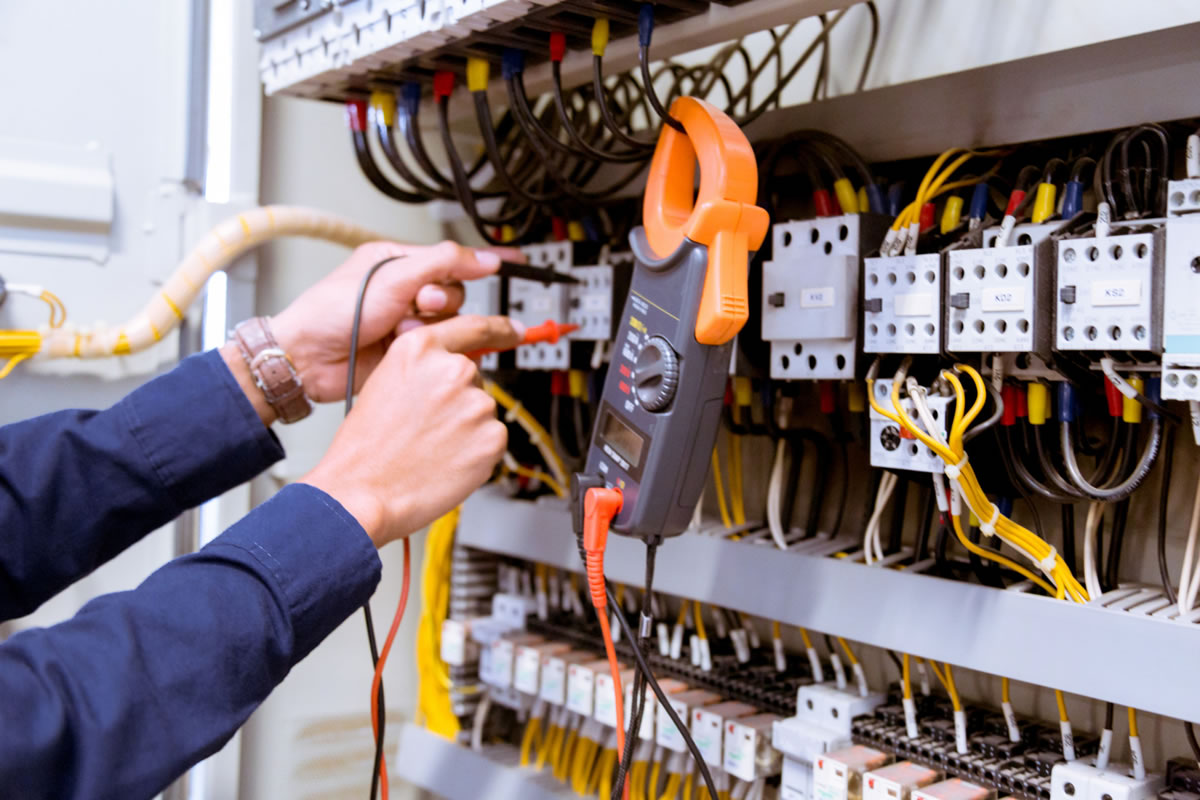
An electrical safety inspection is a thorough evaluation of your home’s electrical system. Licensed professionals check wiring, outlets, panels, and grounding systems. The goal is to identify risks such as outdated wiring, overloaded circuits, or faulty equipment that could compromise safety.
How Often Should Inspections Be Conducted?
Inspections should be scheduled every few years, during home purchases, or after major electrical upgrades. Older homes may require more frequent checks. Regular inspections help catch problems early, preventing costly repairs and potential hazards.
Who Should Perform Electrical Inspections?
Only licensed electricians or certified inspectors should conduct safety inspections. They have the expertise to recognize code violations and hidden dangers. Professional inspections ensure accurate assessments and proper solutions.
What Do Inspectors Look For?
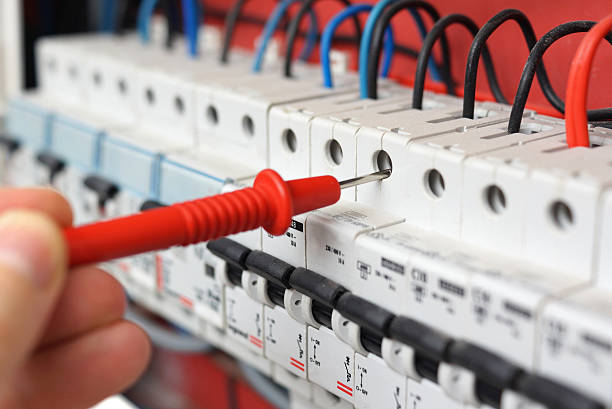
Inspectors evaluate circuit breakers, outlets, switches, grounding, and overall system condition. They check for signs of wear, overheating, or improper installation. Ensuring proper electrical flow and adherence to code standards is their main objective.
How Do Inspections Improve Home Safety?
Electrical inspections identify risks before they become emergencies. They prevent fires caused by faulty wiring, reduce the risk of electrocution, and ensure that circuits are not overloaded. This creates a safer environment for residents.
Can Inspections Reduce Energy Costs?
Yes, inspections can reveal inefficiencies such as outdated systems or poorly installed wiring. Correcting these issues can improve energy efficiency and reduce utility bills. Energy-conscious homeowners benefit from both safety and cost savings.
Are Inspections Required by Law?
Many local codes require inspections for new installations, renovations, or real estate transactions. Compliance ensures legal protection and avoids potential fines. Even when not legally mandated, inspections are strongly recommended for safety.
What Happens After an Inspection?
Inspectors provide a detailed report highlighting issues and recommended repairs or upgrades. Homeowners can prioritize fixes based on urgency and budget. Following recommendations ensures a safer and more reliable electrical system.
How Can Homeowners Prepare?
Homeowners should provide clear access to panels, outlets, and wiring. Note any recurring issues such as tripping breakers or flickering lights. Being prepared helps inspectors work efficiently and thoroughly.
When Should You Schedule an Inspection?
Schedule inspections before buying a home, after major electrical work, or if you notice unusual electrical behavior. Early inspection prevents hazards and ensures your system is up to code.
Final Thought
Electrical safety inspections are vital for protecting your home, family, and investment. Regular professional evaluations ensure compliance with local codes, identify hazards, and improve energy efficiency, making your property safer and more reliable.
How long does an electrical inspection take?
Typically, inspections take 1–3 hours depending on property size and complexity.
Can inspections detect hidden wiring issues?
Yes, licensed inspectors can identify concealed hazards that pose safety risks.
Are older homes more at risk?
Yes, outdated wiring and systems in older homes often require more attention.
Do inspections include appliances?
Inspections primarily focus on wiring and electrical systems, though inspectors may note appliance-related issues.
Can I do an inspection myself?
No, only certified professionals can ensure accurate and safe assessments.
Email: [email protected]
Phone: +1 603-997-7821
Address: 37 Plaistow Rd 7 249, Plaistow, NH 03865, USA