
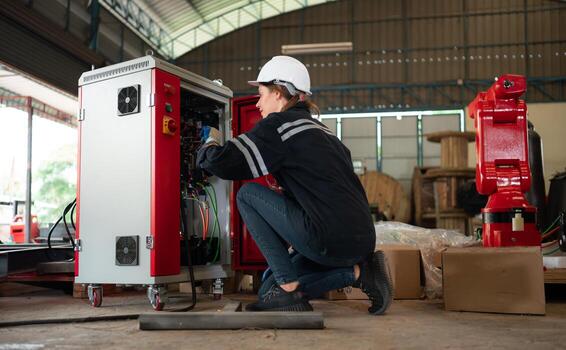
Common Generator Problems in North Hampton, NH and Surrounding Areas
Generators are essential for uninterrupted power supply, especially during emergencies. However, like any mechanical equipment, they can experience issues that affect performance. Understanding common generator problems in New Hampton, NH, and nearby areas helps homeowners and businesses prevent breakdowns, improve efficiency, and ensure reliable operation when power outages occur.
Why Does a Generator Fail to Start?
A generator may fail to start due to a dead or weak battery, low fuel levels, or clogged fuel lines. Electrical connection issues and faulty spark plugs can also prevent ignition. Identifying the root cause early ensures that the generator can be restored to working order quickly, maintaining emergency preparedness.
What Causes Low or Fluctuating Power Output?
Low or inconsistent power can result from overloaded circuits, dirty fuel filters, or worn-out alternators. Poor maintenance and aging components also affect voltage stability. Regular inspections and timely repairs are necessary to ensure the generator delivers reliable power to your home or business.
How Do Oil and Fuel Problems Affect Generators?
Dirty or low oil can cause engine overheating and long-term damage. Similarly, using old or contaminated fuel can clog injectors and carburetors. Regularly checking oil levels, changing filters, and using fresh fuel with stabilizers help prevent these problems and maintain optimal performance.
Why Do Generators Make Unusual Noises?
Unusual noises such as knocking, rattling, or grinding often indicate mechanical issues like loose components, worn bearings, or engine misalignment. Ignoring these sounds can lead to serious damage. Routine inspections and professional servicing help identify and fix such problems early.
How Does Overheating Occur in Generators?
Overheating can result from poor ventilation, heavy loads, low coolant levels, or engine friction. Ensuring the generator is placed in a well-ventilated area and maintained regularly prevents overheating. Overheated generators risk permanent damage and reduced efficiency, making preventive care essential.
What Causes Frequent Tripping of Circuit Breakers?
Circuit breakers may trip due to overloads, short circuits, or faulty wiring. Using too many devices at once or defective electrical components can trigger trips. Proper load management and professional inspections ensure safe operation and prevent electrical hazards.
Why Does a Generator Emit Smoke or Foul Odors?
Excessive smoke or strong smells can indicate oil leaks, fuel issues, or engine problems. White, black, or blue smoke signals different underlying issues requiring immediate attention. Routine checks and timely maintenance prevent emissions problems and ensure safe operation.
How to Handle Generator Battery Failures?
Battery failures are common and can prevent the generator from starting. Corroded terminals, insufficient charge, or aged batteries are typical causes. Regular inspection, cleaning, and charging of the battery ensure it remains reliable, especially during emergencies.
Can Improper Storage Cause Generator Problems?
Yes, storing a generator improperly during off-seasons can lead to fuel degradation, rust, and component damage. Keeping the generator clean, dry, and using fuel stabilizers prevents deterioration. Proper storage ensures the generator remains functional when needed.
When Should You Call a Professional Technician?
Professional servicing is recommended annually or when problems are complex. Technicians can inspect engines, alternators, and electrical systems, performing repairs beyond basic maintenance. Timely professional intervention reduces downtime and extends the generator’s lifespan.
Final Thought
Being aware of common generator problems in New Hampton, NH, and surrounding areas allows you to act proactively. Regular maintenance, timely troubleshooting, and professional servicing ensure that your generator is always ready to provide reliable power when needed most.
How long do generators last with proper maintenance?
Most residential generators last 15–20 years if routinely serviced and used correctly.
Can I fix generator problems myself?
Routine tasks like checking oil, fuel, and battery are manageable, but complex repairs should be handled by professionals.
Why does my generator keep tripping the circuit breaker?
Tripping usually occurs due to overloads, short circuits, or faulty wiring, which require inspection and correction.
How often should I test my generator?
Running your generator under load for 30 minutes every month ensures it is operational and identifies potential issues early.
How should I store my generator during winter?
Drain or stabilize fuel, clean the unit, and store it in a dry, ventilated area to prevent damage and maintain readiness.
Email: [email protected]
Phone: +1 603-997-7821
Address: 37 Plaistow Rd 7 249, Plaistow, NH 03865, USA