

Electrical Safety During Generator Operation in Portsmouth and Surrounding Areas
Operating a generator during power outages provides essential backup electricity, but safety must always come first. Without proper precautions, generator use can create electrical hazards, equipment damage, or even fire risks. Following safe operational practices ensures reliable performance while protecting both property and occupants.
Why is electrical safety important during generator operation?
Generators supply temporary power but can pose serious risks if misused. Electrical faults may occur if the system is not properly connected. Safe operation prevents overloads and short circuits. It also reduces the chances of electrical fires.
What is the danger of backfeeding?
Backfeeding occurs when generator power flows into utility lines. This can endanger utility workers and damage equipment. Proper setup prevents electricity from traveling in the wrong direction. Safe systems eliminate this hazard.
How does a transfer switch improve safety?
A transfer switch isolates generator power from the main utility line. This ensures electricity flows safely within the property. It also prevents accidental backfeeding. Proper installation supports secure operation.
Can overloading affect generator safety?
Yes, overloading can damage both the generator and connected appliances. It may also lead to overheating or electrical failure. Managing power usage prevents strain on the system. Balanced load ensures stable performance.
Why is proper grounding necessary?
Grounding protects users from electrical shock. It also prevents voltage buildup during operation. A grounded system ensures safe energy distribution. This is a key safety measure.
How can safe wiring reduce risks?
Proper wiring ensures stable power flow. Damaged or loose connections may cause sparks or failures. Secure wiring minimizes the chance of short circuits. It supports reliable operation.
Does ventilation affect electrical safety?
Yes, generators must operate in well-ventilated areas. Proper airflow prevents overheating. Overheating can lead to electrical malfunctions. Safe placement enhances performance.
Can weather exposure impact safety?
Generators exposed to moisture may malfunction. Water can damage internal components. Using protective covers helps maintain safety. Dry environments reduce electrical risks.
How does regular inspection support safe operation?
Routine checks identify wear and tear. Early detection prevents sudden failures. Inspections ensure safe functionality. Maintenance keeps systems dependable.
Why should professionals handle generator setup?
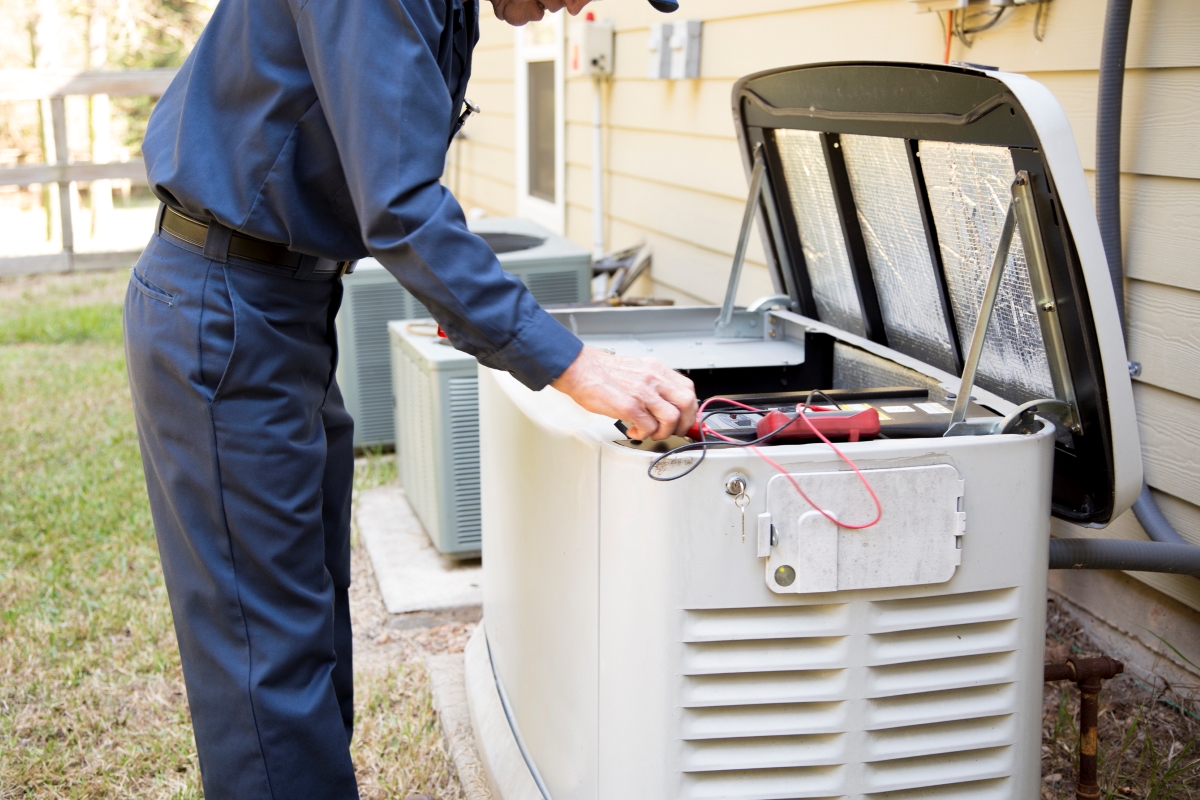
Experts ensure proper installation and connection. They follow safety standards and guidelines. Professional setup minimizes operational risks. It ensures dependable backup power.
Final Thought
Electrical safety during generator operation is essential for protecting equipment, property, and lives. Proper setup, regular inspections, and responsible usage ensure reliable backup power without compromising safety.
What causes electrical hazards during generator use?
Improper connections and overloads are common causes. These risks can be minimized with safe setup.
Is grounding always required?
Yes, grounding is necessary for safe operation.
Can improper wiring damage appliances?
Yes, unstable connections may cause voltage fluctuations.
Do inspections improve safety?
Routine inspections detect potential issues early.
Is professional setup recommended?
Yes, experts ensure safe and compliant installation.
Email: [email protected]
Phone: +1 603-997-7821
Address: 37 Plaistow Rd 7 249, Plaistow, NH 03865, USA