How to Perform DIY Electrical Safety Checks at Home in Hampton, NH and Nearby Areas
Keeping your home’s electrical system safe doesn’t always require complex tools or technical expertise. Simple DIY electrical safety checks can help identify early warning signs of potential hazards. By regularly inspecting your system, you can prevent risks such as electrical fires, shocks, or power failures while maintaining a safe living environment.
Why Are Electrical Safety Checks Important?
Electrical systems wear down over time. Loose wiring, overloaded circuits, or damaged outlets can pose serious risks. Regular checks help detect small problems before they become major hazards. Early action improves both safety and system reliability.
How Can You Check Your Outlets?
Look for discoloration, cracks, or loose fittings in outlets. Plug in a device to ensure it fits securely. Warm outlets may indicate internal issues. If you notice buzzing sounds or sparks, professional inspection is necessary.
What Should You Look for in Cords?
Inspect power cords for fraying, exposed wires, or damage. Avoid using cords that show wear. Damaged cords increase the risk of electrical shock or fire. Replace them immediately if problems appear.
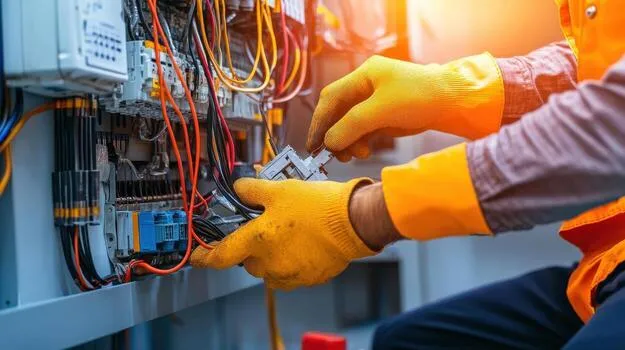
How Do You Inspect Circuit Breakers?
Check your breaker panel for signs of rust, burning smells, or frequent tripping. Ensure breakers are properly labeled for easy identification. Repeated tripping may signal overloaded circuits or faulty appliances.
Can Lighting Fixtures Indicate Problems?
Flickering lights often signal loose wiring or overloaded circuits. Bulbs that burn out quickly may also point to voltage issues. Monitoring lighting performance helps detect hidden electrical faults.
How Can You Identify Overloaded Circuits?
Avoid plugging multiple high-power devices into a single outlet. Use power strips responsibly and distribute load evenly. Overloaded circuits may cause heat buildup and breaker trips.
Should You Test Smoke Detectors?
Yes, functioning smoke detectors are vital for electrical safety. Test them monthly and replace batteries regularly. They provide early warnings in case of electrical fires.
Is It Safe to Check Switches?
Ensure switches operate smoothly without sparks or unusual noises. Loose or hot switches should be addressed promptly. These signs may indicate wiring problems.
How Can You Ensure Appliance Safety?
Check appliances for unusual heat, noise, or malfunction. Faulty appliances can strain circuits and increase risk. Unplug devices when not in use.
When Should You Call a Professional?
DIY checks are useful for spotting basic issues. However, if you notice burning smells, sparks, or repeated breaker trips, contact a licensed electrician immediately. Professional help ensures safe and accurate repairs.
Final Thought
Performing simple DIY electrical safety checks can help maintain a safe and efficient home environment. Regular inspections reduce risks and provide peace of mind, but always rely on professionals for complex electrical concerns.
How often should DIY checks be done?
Monthly visual checks are recommended for safety.
Are DIY checks enough for full safety?
They help identify issues but don’t replace professional inspections.
Can I fix wiring myself?
No, complex electrical repairs should be handled by experts.
What is the biggest warning sign?
Burning smells or sparks require immediate professional help.
Do old homes need more checks?
Yes, aging wiring increases potential risks.
Email: [email protected]
Phone: +1 603-997-7821
Address: 37 Plaistow Rd 7 249, Plaistow, NH 03865, USA