
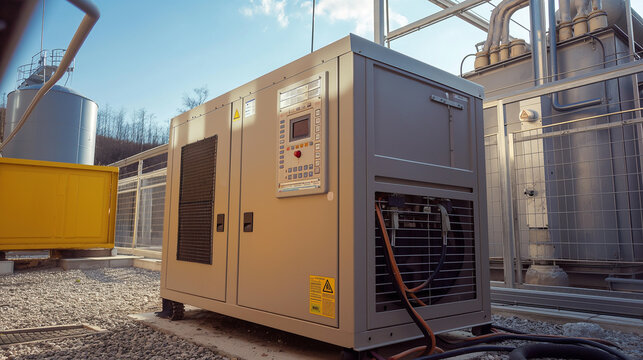
Ultimate Guide to Generator Maintenance in Plaistow, NH and Surrounding Areas
Ensuring your generator runs efficiently is crucial for uninterrupted power supply, especially during emergencies. Regular maintenance in Plaistow, NH, and nearby areas helps extend the life of your generator, improves fuel efficiency, and prevents unexpected breakdowns. By following a consistent maintenance schedule, homeowners and businesses can rely on their generator when it matters most, keeping their electrical systems safe and operational.
How Often Should a Generator Be Serviced?
A generator should ideally be serviced every six months or after 100 hours of operation, whichever comes first. Regular servicing ensures the engine and electrical components work efficiently. During servicing, oil changes, filter replacements, and battery checks are essential to prevent long-term damage. Timely maintenance also reduces the risk of costly repairs in the future.
What Are the Signs a Generator Needs Maintenance?
Common signs include unusual noises, difficulty starting, or inconsistent power output. Frequent low fuel warnings and visible oil leaks are also indicators. If your generator struggles to maintain a stable voltage or emits unusual smells, it’s time to schedule maintenance. Detecting issues early ensures safety and prolongs the generator’s lifespan.
How to Properly Check Generator Oil?
Checking the generator’s oil is a simple but vital task. Ensure the generator is turned off and cooled down before removing the dipstick. Wipe it clean, reinsert, and then remove it to check the oil level. Low or dirty oil should be replaced promptly to prevent engine wear and maintain smooth operation.
What Role Do Air Filters Play in Generator Performance?
Air filters prevent dust and debris from entering the engine, which can cause significant damage over time. Regularly inspecting and cleaning or replacing air filters improves fuel efficiency and prolongs engine life. Neglecting this simple maintenance step can lead to reduced performance and higher operating costs.
Why Is Battery Maintenance Important for Generators?
The battery provides the initial power needed to start the generator. Regular inspection of battery terminals for corrosion and ensuring it is fully charged is critical. A weak or dead battery can prevent the generator from starting during emergencies, leaving your home or business without power when needed most.
How to Keep Your Generator Clean and Safe?
Dust, debris, and moisture can affect a generator’s performance. Cleaning the exterior, ensuring ventilation is unobstructed, and keeping the generator in a dry location helps maintain its efficiency. Proper cleaning also prevents overheating and potential fire hazards, making operation safer for everyone.
What Fuel Maintenance Tips Should Be Followed?
Generators that run on gasoline, diesel, or propane require proper fuel storage. Using fresh fuel and adding stabilizers prevents gumming and clogs in the fuel system. During long periods of inactivity, emptying the fuel tank or using additives can ensure the generator starts reliably when needed.
How to Test a Generator Regularly?
Testing your generator involves running it under load for at least 30 minutes. This ensures the engine, alternator, and electrical circuits function correctly. Regular testing helps identify problems before an actual power outage, giving you confidence that your generator will perform reliably during emergencies.
Can Generators Operate Safely Indoors?
Generators should never be operated indoors due to carbon monoxide risks. Place the generator outdoors on a flat, dry surface with adequate ventilation. Maintaining a safe distance from windows, doors, and vents ensures exhaust gases do not enter living spaces, protecting everyone in the building.
When Should You Call a Professional for Generator Maintenance?
While routine checks can be performed by owners, professional servicing is recommended annually or for complex issues. Experts can inspect electrical connections, fuel systems, and engine performance to ensure optimal operation. Timely professional maintenance reduces breakdown risks and extends generator life significantly.
Final Thought
Regular generator maintenance in Plaistow, NH, and surrounding areas is essential for uninterrupted power and safety. Following these steps ensures your generator is ready for emergencies, extends its lifespan, and maintains peak performance.
How long does a generator typically last with proper maintenance?
With consistent care, most residential generators can last 15 to 20 years, depending on usage and load conditions.
Is it necessary to run my generator if there’s no power outage?
Yes, running your generator periodically ensures proper lubrication, battery charge, and operational readiness.
Can I perform generator maintenance myself?
Routine tasks like checking oil, cleaning filters, and inspecting batteries can be done by owners, but annual professional service is recommended.
What happens if I ignore generator maintenance?
Neglecting maintenance can lead to engine failure, inefficient performance, increased repair costs, and safety hazards.
How do I store my generator during winter?
Drain fuel or use stabilizers, clean the generator, and store it in a dry, ventilated area to prevent damage and ensure readiness.
Email: [email protected]
Phone: +1 603-997-7821
Address: 37 Plaistow Rd 7 249, Plaistow, NH 03865, USA