

DIY Generator Repair Tips for Plaistow, NH Residents and Surrounding Areas
Generators are a reliable backup power source for homes and small businesses, but occasional issues can disrupt their performance. Plaistow, NH residents can save time and money by performing simple DIY repairs safely. Understanding common problems, maintenance steps, and safety precautions ensures your generator remains functional without frequent professional intervention.
How to Safely Inspect Your Generator?
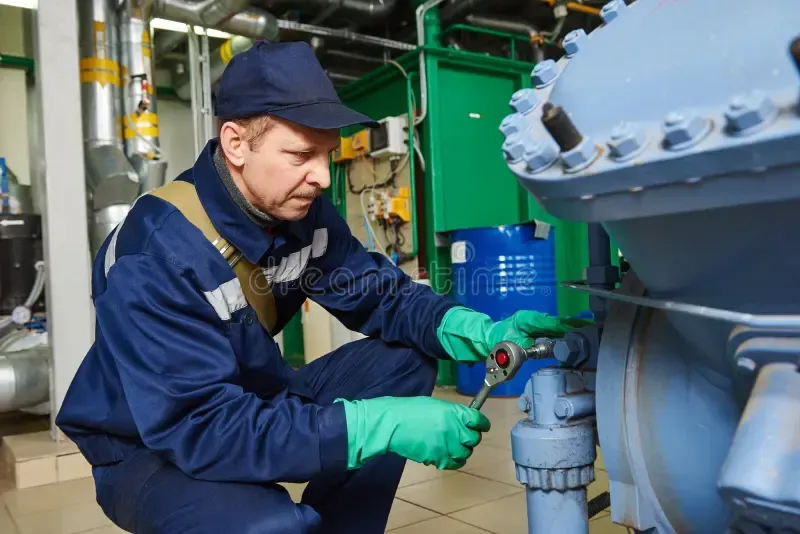
Before performing any repairs, always turn off the generator and disconnect it from electrical loads. Allow the engine to cool completely and work in a well-ventilated area. Use gloves and protective eyewear when inspecting components to prevent injury from hot parts or fuel residues.
How to Check and Replace the Generator Battery?
A dead or weak battery is a common reason generators fail to start. Inspect battery terminals for corrosion, clean them with a wire brush, and ensure the battery is fully charged. If the battery is old or damaged, replace it with the correct type recommended by the manufacturer.
How to Test Fuel and Fuel Lines?
Old or contaminated fuel can prevent smooth generator operation. Drain stale fuel and replace it with fresh fuel or add a fuel stabilizer. Check fuel lines for cracks or leaks and replace any damaged hoses to avoid blockages or fire hazards.
How to Inspect and Change Oil?
Check oil levels using the dipstick while the generator is cool. Low or dirty oil can damage the engine. Change oil according to the manufacturer’s schedule and use the recommended oil type to maintain engine health and efficiency.
How to Clean or Replace Air Filters?
Air filters prevent dust and debris from entering the engine. Remove the filter, inspect it for dirt or damage, and clean it with compressed air or mild soap and water if reusable. Replace disposable filters to ensure proper airflow and engine performance.
How to Check Spark Plugs?
Spark plugs are crucial for engine ignition. Remove the spark plug, inspect it for carbon buildup, wear, or damage, and clean it with a wire brush if reusable. Replace worn plugs to ensure smooth starting and consistent power output.
How to Address Overheating Issues?
Overheating can occur if ventilation is blocked or if the generator is overloaded. Keep the area around the generator clear and avoid running it at maximum capacity for long periods. Regularly check coolant or oil levels and maintain clean engine surfaces.
How to Test Electrical Connections?
Loose or corroded electrical connections can cause erratic performance. Inspect all wiring, tighten screws, and ensure connectors are secure. Use a multimeter to verify proper voltage output and continuity throughout the system.
How to Troubleshoot Common Startup Problems?
If the generator doesn’t start, check fuel supply, battery charge, spark plug condition, and circuit breakers. Many startup issues can be resolved by addressing these basic components before seeking professional help, saving time and repair costs.
When to Call a Professional?
While DIY maintenance is useful for minor issues, complex problems like alternator failures, engine overhauls, or severe electrical faults require professional attention. Recognizing your limits ensures safety and prevents costly damage.
Final Thought?
Plaistow, NH residents can keep their generators running efficiently with regular DIY maintenance. By following safety guidelines, inspecting key components, and performing simple repairs, homeowners can reduce downtime, extend the generator’s lifespan, and maintain reliable backup power.
Can I safely repair a generator myself?
Yes, for minor issues like oil changes, battery replacement, and filter cleaning, but always follow safety precautions.
How often should I check my generator?
Monthly inspections and periodic test runs ensure optimal performance and early detection of issues.
What fuel should I use for my generator?
Use fresh gasoline, diesel, or propane as recommended by the manufacturer, and add stabilizers for long-term storage.
How do I know if a spark plug needs replacement?
If it’s worn, covered in carbon deposits, or damaged, replace it to maintain proper engine ignition.
When should I stop DIY repairs and call a professional?
For major engine issues, alternator problems, or complex electrical faults, professional servicing is necessary.
Email: [email protected]
Phone: +1 603-997-7821
Address: 37 Plaistow Rd 7 249, Plaistow, NH 03865, USA