
Essential Circuit Breaker Safety Tips for Homeowners in Plaistow, NH and Surrounding Areas
Circuit breakers are a critical part of home electrical systems, protecting your property from overloads and electrical hazards. Understanding how to safely operate and maintain your circuit breakers can prevent accidents, reduce fire risks, and ensure your home’s electrical system functions properly. Homeowners who follow best practices for circuit breaker safety can protect both their families and their property.
What Is a Circuit Breaker and How Does It Work?
A circuit breaker is an automatic switch that interrupts the flow of electricity when a circuit becomes overloaded or short-circuited. It prevents damage to wiring and reduces the risk of electrical fires. By understanding its function, homeowners can respond appropriately during an electrical issue.
How Often Should Circuit Breakers Be Inspected?
Regular inspection of circuit breakers is essential for safety. Homeowners should have breakers checked annually or after electrical issues. Look for signs like scorch marks, burning smells, or frequently tripping breakers. Timely inspections help prevent serious hazards.
Can Overloaded Circuits Be Dangerous?
Yes, overloaded circuits can overheat and cause electrical fires. Avoid plugging too many devices into one outlet or circuit. Circuit breakers are designed to trip in these situations, but proper load management is crucial. Awareness of energy use prevents hazards.
How Do You Reset a Tripped Breaker Safely?
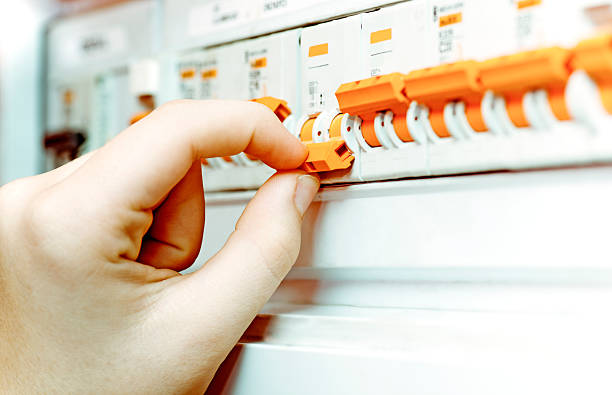
To reset a breaker, first turn off connected appliances. Flip the breaker fully to the “off” position, then back to “on.” Never force a breaker that won’t reset. If problems persist, call a licensed electrician to investigate potential faults.
Are All Breakers the Same?
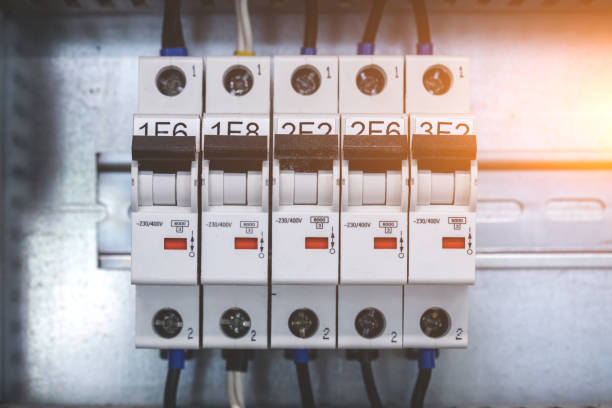
No, circuit breakers vary by amperage, type, and purpose. Homes often have standard, GFCI, and AFCI breakers. Each serves a specific function, such as protecting against ground faults or arc faults. Knowing the type in your home ensures proper safety measures.
Can DIY Repairs Be Risky?
Yes, working on breakers without expertise can cause electrocution or damage. Only licensed electricians should replace or repair breakers. Homeowners can perform basic checks and reset breakers safely, but avoid opening the breaker panel if unsure.
How Can You Prevent Frequent Tripping?
Frequent tripping indicates underlying problems such as overloaded circuits or faulty appliances. Spread electrical load across circuits and unplug unnecessary devices. Persistent issues should be inspected professionally to avoid hazards.
Is Labeling Circuit Breakers Important?
Labeling helps quickly identify which breaker controls each area. In emergencies, this saves time and prevents confusion. Proper labeling also assists electricians during inspections or repairs, ensuring efficiency and safety.
What Safety Equipment Should Homeowners Use?
Wear insulated gloves and shoes when near the breaker panel. Avoid standing on wet surfaces. Use a flashlight in dark areas to reduce accident risk. These precautions protect homeowners from electrical shock while inspecting or resetting breakers.
When Should You Call a Professional?
Call a licensed electrician if breakers frequently trip, if you notice sparks or burning smells, or when upgrading electrical systems. Professional evaluation ensures safety and compliance with local electrical codes, reducing the risk of serious accidents.
Final Thought
Circuit breakers are vital for household safety, but understanding their proper use and maintenance is essential. By following these safety tips, homeowners can prevent electrical hazards, improve system reliability, and protect their families and property.
What is the difference between GFCI and AFCI breakers?
GFCI protects against ground faults, while AFCI protects against arc faults in electrical wiring.
How often should I test my breakers?
Test your breakers at least once a year to ensure they function properly.
Can I reset a breaker during a storm?
No, avoid touching breakers during storms to prevent electrical shock.
What should I do if a breaker keeps tripping?
Identify overloaded circuits or faulty appliances and call a licensed electrician if needed.
Are circuit breakers enough to prevent all electrical fires?
They reduce risks, but safe wiring, proper usage, and regular inspections are also necessary.
Email: [email protected]
Phone: +1 603-997-7821
Address: 37 Plaistow Rd 7 249, Plaistow, NH 03865, USA